




A Return to Roots
The festive season in India is synonymous with abundance, but a new wave of young hosts is redefining what abundance means. Instead of disposable plates and plastic decor, they are turning to elements that are deeply rooted in Indian culture. The star
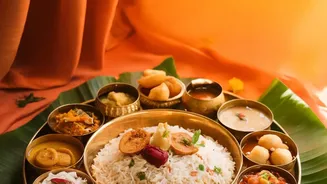
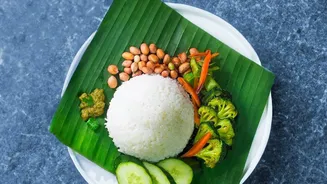
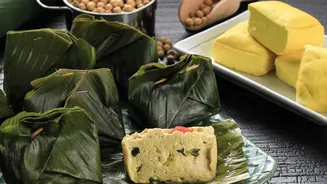
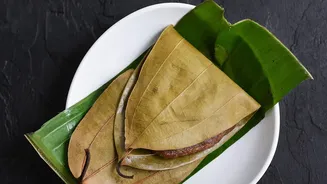
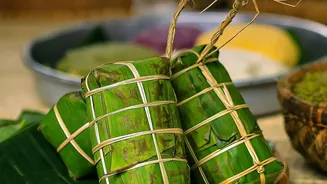
of this movement is the humble banana leaf, long used in South India and other regions for serving meals. Once seen as a purely traditional or rural practice, it's now being adopted by urban youth as a chic and eco-friendly statement. This shift isn't about rejecting modernity; it's about finding it in the wisdom of the past. By choosing biodegradable banana leaves or areca leaf plates, hosts are eliminating a significant source of festival waste, which can spike dramatically during periods like Diwali.
The Purity of Produce
Alongside this revival of traditional tableware is a growing demand for local and organic produce. For these young hosts, the quality of the feast is measured not just by its taste, but by its origin. There is an increasing awareness of where food comes from, driven by concerns for health and the environmental impact of long-haul supply chains. Sourcing vegetables, grains, and even flowers from local farmers ensures freshness and supports community economies. This farm-to-table approach is transforming festive menus, with an emphasis on seasonal ingredients that are naturally flavorful and free from chemical residues. This conscious choice reflects a broader wellness trend where clean eating and sustainability are seen as interconnected.
More Than an Aesthetic
While a meal served on a vibrant green banana leaf is undeniably beautiful, the motivation runs deeper than social media aesthetics. It’s a principled stand against the culture of disposability. Using banana leaves is not only a zero-waste solution but also hygienic and practical. The leaves have a natural waxy coating, are large enough to hold a multi-course meal, and are believed to contain polyphenols—antioxidants that can be absorbed by hot food. This practice connects the act of eating with a sense of respect for nature. By choosing materials that return to the earth, these hosts are making a powerful statement about mindful consumption in an era of excess.
The New Tradition is Conscious Celebration
This evolving approach to festive gatherings signals a meaningful shift in cultural values. It proves that tradition and progress are not mutually exclusive. Young Indians are not just hosting meals; they are curating experiences that reflect their personal ethics. They are demonstrating that a celebration can be grand in spirit and generous in hospitality without being wasteful. This involves everything from using natural decor like marigold flowers and clay diyas to opting for eco-friendly gift wrapping. The entire ecosystem of the celebration is being re-evaluated, from the food on the plate to the decorations in the home, all guided by the principles of 'reduce, reuse, and recycle'.
How to Host Your Own Sustainable Feast
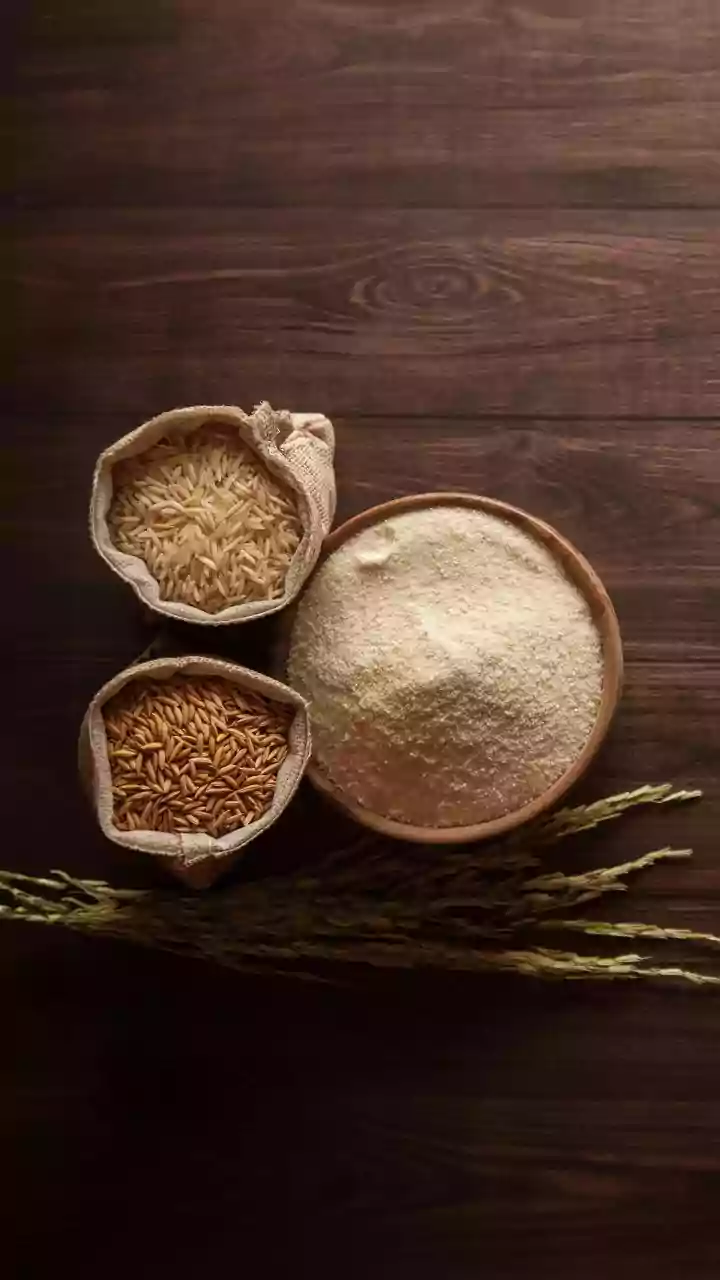
Embracing this trend is easier than it looks. Start by seeking out local vendors for your produce and flowers, which supports small businesses and reduces your carbon footprint. Instead of plastic dinnerware, explore options like banana leaves, which are readily available in many markets, or reusable steel plates. For decorations, get creative with natural elements: use rice flour for rangoli, fresh leaves for torans, and clay or brass lamps for lighting. The key is to plan ahead, focusing on the quality of the experience rather than the quantity of disposable items. It's about celebrating with an intention that honours both your guests and the environment.