






An Uneven and Worrying Rainfall Deficit
The southwest monsoon is entering a critical phase under a cloud of uncertainty. As of mid-August, the all-India rainfall deficit stands at around 12-13% below the long-period average. This national figure, however, masks severe regional disparities.
While central India received strong rains in July, other significant agricultural zones, particularly in the southern peninsula and eastern and northeastern states, have recorded much larger deficits. Meteorologists attribute this suppressed rainfall to the strengthening of El Niño conditions in the Pacific Ocean, which is historically linked to weaker monsoons in India. The India Meteorological Department (IMD) had forecast below-normal rainfall for August, and current predictions suggest that this weakening trend will continue through the latter half of the month.
Kharif Crops at a Critical Juncture
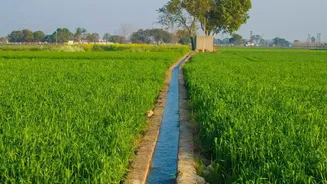
This dry spell could not have come at a worse time for India's kharif (summer) crops. The sowing window has largely closed, and crops like rice (paddy), pulses, soybeans, and cotton are now in their vegetative growth phase, where consistent moisture is essential for development and final yields. As of August 14, the total area sown under kharif crops was reportedly about 2% lower than the previous year. Key crops show worrying declines in acreage: rice is down by 3.7%, and soybean by 1.4%. Satellite imagery reveals that as of mid-August, a significant portion of India's agricultural land was experiencing drought stress, threatening the health of these newly planted crops. A prolonged dry period now can severely stunt growth, reduce productivity, and ultimately lead to a smaller harvest.
From Farm Distress to Your Kitchen Budget
The impact of a poor monsoon extends far beyond the fields. For India's vast rural population, where nearly half of the farmland is rain-fed, a failed crop means a direct hit to income. Lower farm incomes translate into reduced rural demand for goods like two-wheelers and consumer durables, creating a drag on the broader economy. For urban consumers, the most immediate consequence is food inflation. A shortfall in the production of essential commodities like rice, pulses, and vegetables tightens supply and pushes market prices higher. Food inflation was already on the rise in July, driven by weak monsoon showers, and a poor kharif harvest could exacerbate this trend in the coming months, putting pressure on household budgets across the country.
The Government's Watchful Stance
New Delhi is keeping a close watch on the situation. The government has a number of tools at its disposal to manage the economic fallout. These include releasing buffer stocks of grains to cool prices, placing limits on stockpiling by traders to prevent hoarding, and adjusting import and export policies for key commodities. For instance, if a domestic shortage of pulses seems likely, the government could lower import duties to ensure adequate supply. While the country has sufficient stockpiles of staples like rice and wheat, a significant drop in the production of oilseeds and pulses could still necessitate market interventions. The Reserve Bank of India is also monitoring the situation closely, as rising food prices could complicate its efforts to control headline inflation.