





Why the Big Change Now?
The push for a food safety overhaul is driven by several factors. Growing consumer awareness, fueled by social media, has put a spotlight on food quality and adulteration. In response, the Food Safety and Standards Authority of India (FSSAI) is moving
from a reactive to a preventive approach. Recent reforms that came into effect in 2026 aim to simplify doing business for food operators while strengthening oversight. The changes are designed to align India's framework with global standards, reduce administrative burdens, and allow regulators to focus on high-risk areas instead of paperwork. This shift addresses the need for a modern system that can manage an increasingly complex supply chain and meet the demands of a more discerning public.
The Power of Traceability
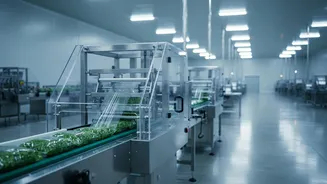
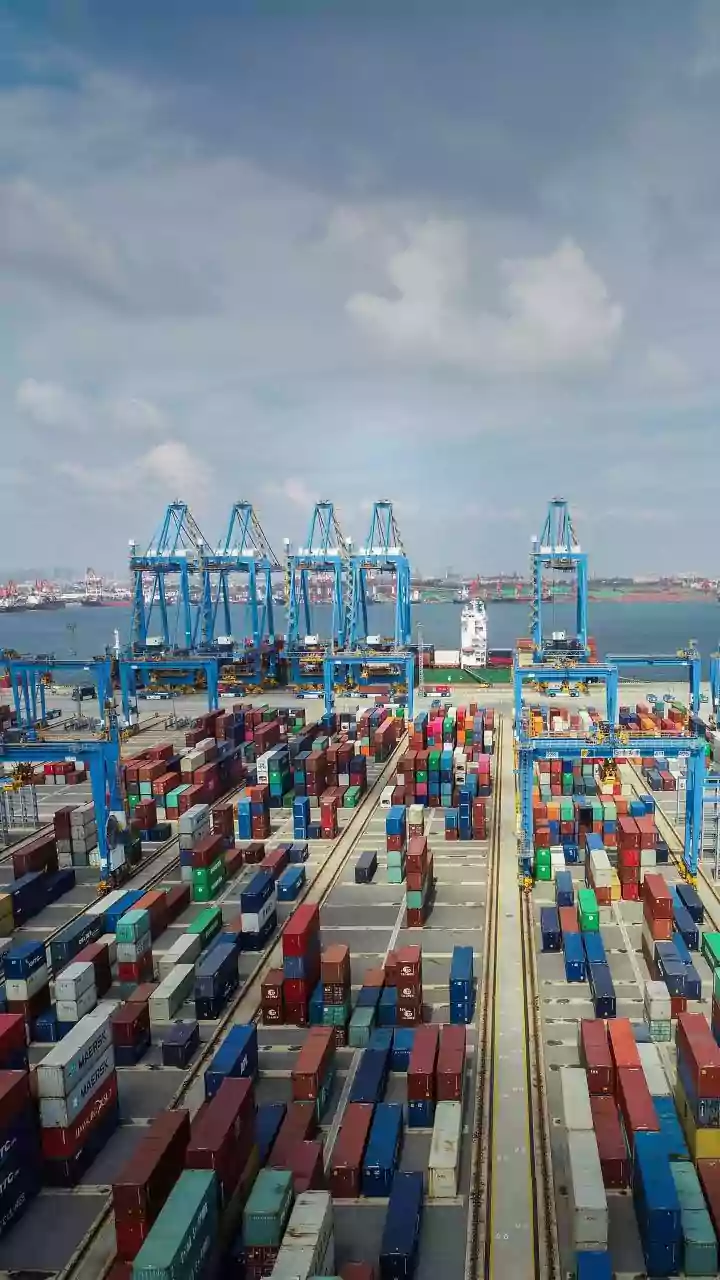
At the heart of the new system is digital traceability. The goal is to create a transparent digital trail that follows food products from the farm to your fork. FSSAI is developing systems that require food manufacturers, importers, and repackers to maintain detailed records. For instance, a proposed rule would mandate daily logs of raw materials, production volumes, and storage conditions. This is crucial for managing food recalls. If a contaminated product is discovered, regulators can quickly identify its source and track its distribution, preventing it from reaching more consumers. This initiative aims to stop the illegal re-entry of expired or rejected food into the market, enhancing accountability across the entire supply chain.
Faster, Cheaper, On-the-Spot Testing
Long waits for lab results have been a major bottleneck in food safety enforcement. To tackle this, FSSAI is promoting the use of Rapid Analytical Food Testing (RAFT) kits. These are portable, easy-to-use devices that can deliver results quickly without the need for a sophisticated laboratory. As of mid-2026, 88 such kits have been approved for screening and surveillance purposes. Supporting this initiative is the 'Food Safety on Wheels' (FSW) program, which deploys mobile food testing labs across the country. These vehicles are equipped to conduct on-the-spot tests for common adulterants and microbiological contaminants, bringing food safety monitoring to markets, street vendors, and remote areas. This allows for immediate action and wider surveillance coverage.
What It Means for Businesses
The reforms bring both relief and new responsibilities for food business operators (FBOs). One of the biggest changes is the introduction of perpetual validity for FSSAI licenses, which eliminates the need for periodic renewals. This significantly reduces the administrative burden and costs. Furthermore, turnover thresholds for different license categories have been raised, simplifying compliance for many micro and small enterprises. For example, the threshold for basic registration was increased from ₹12 lakh to ₹1.5 crore. Inspections are also shifting to a risk-based model, where factors like the type of food and a business's compliance history determine the frequency of checks. This incentivizes good practice and allows authorities to focus their resources more effectively.
A Safer Plate for Consumers
Ultimately, these changes aim to build greater trust and ensure that the food reaching Indian homes is safe and wholesome. For consumers, a robust traceability system means more transparency about where their food comes from. In the event of a safety issue, like a foodborne illness outbreak, the ability to quickly trace the source is a critical public health tool. The increased use of rapid testing and mobile labs means that unsafe food can be identified and removed from circulation faster than ever before. While the overhaul simplifies processes for businesses, the core objective remains centered on public health, creating a more responsive and reliable food safety ecosystem for everyone.