
The Allure of the Curve
Walk into a thoughtfully designed Indian home in 2026, and you'll notice the sharp edges are softening. The rigid, rectangular sofas and boxy armchairs of the past are making way for furniture with gentler, more organic silhouettes. This is the era of curved
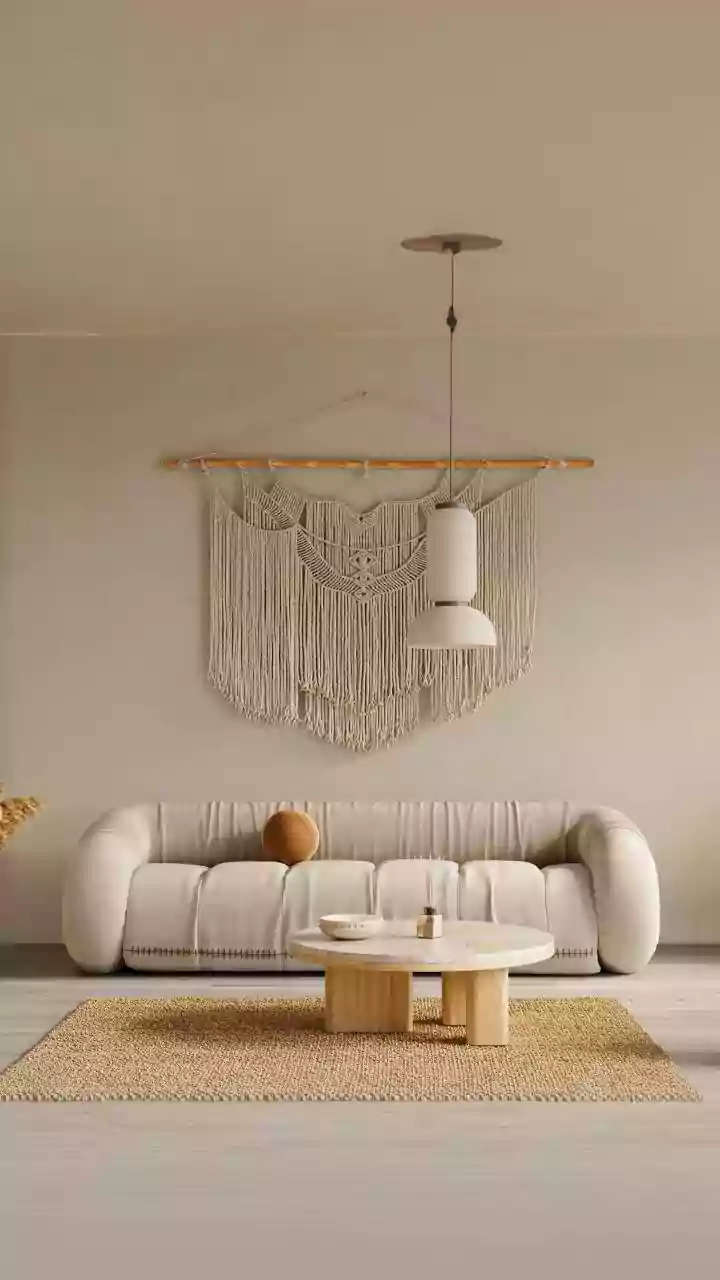
furniture: enveloping sofas that sweep in a gentle arc, armchairs with rounded backs, and oval coffee tables that encourage a more natural flow of movement. The appeal of curves is rooted in psychology. Unlike hard right angles that can feel confrontational, rounded forms are inherently more welcoming and calming. A curved sofa, for example, subtly encourages conversation by turning sitters slightly toward each other. This move away from strict lines is linked to a broader interest in biophilic design, which seeks to connect our indoor spaces with the organic shapes found in nature. After years spent making our homes function as offices and classrooms, there is a collective desire for comfort and softness, and curved furniture delivers exactly that, creating a space that feels like a cocoon.
Grounded in Natural Materials
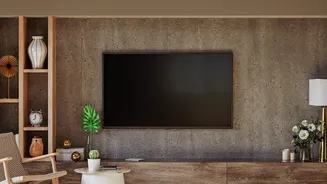
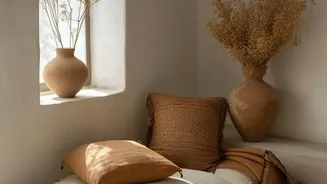
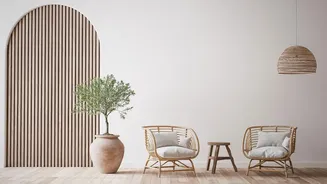
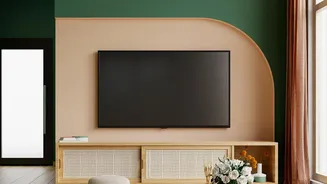
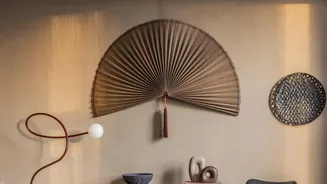
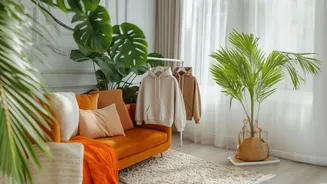
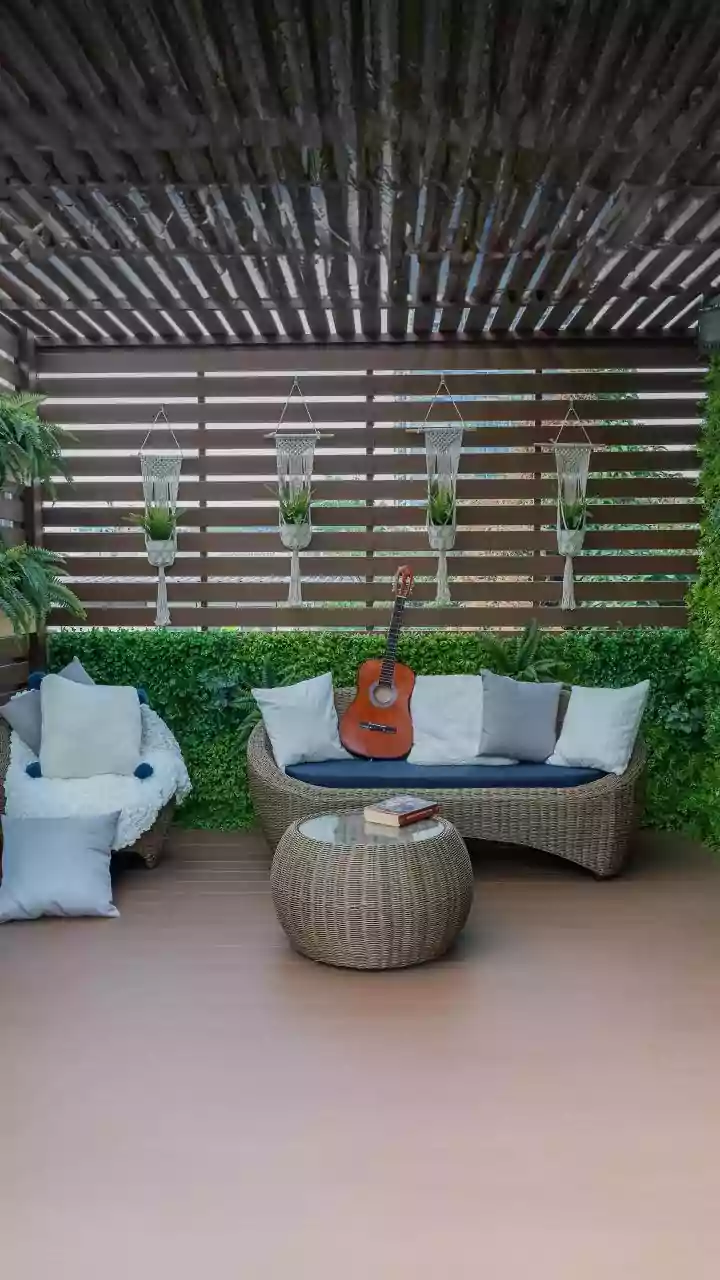
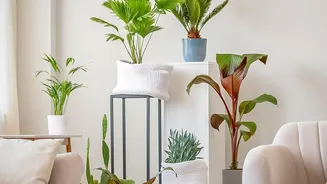
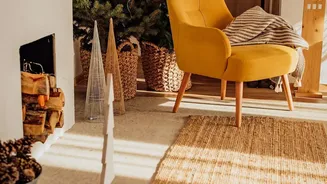
Alongside softer shapes, there's a strong return to materials that feel authentic and connected to the earth. Rattan, cane, jute, light-grained woods, terracotta, and stone are no longer just for accent pieces; they are becoming the primary vocabulary of the modern Indian living room. This trend resonates deeply with Indian design history, which has always incorporated natural, locally sourced materials. Today, the embrace of these textures is driven by a desire for sustainability, wellness, and a tactile connection to nature. Materials like jute, used in rugs and baskets, and rattan or cane, used for chairs and cabinet fronts, add a layer of handmade texture that mass-produced items lack. They bring warmth and character, grounding a room and making it feel more soulful. This shift is part of a larger 'slow decor' movement, which prioritises long-lasting, meaningful pieces over fleeting trends. In urban apartments, where access to green space can be limited, using these natural materials is a powerful way to bring the calming essence of the outdoors inside.
The Magic of Layered Lighting
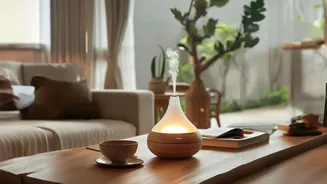
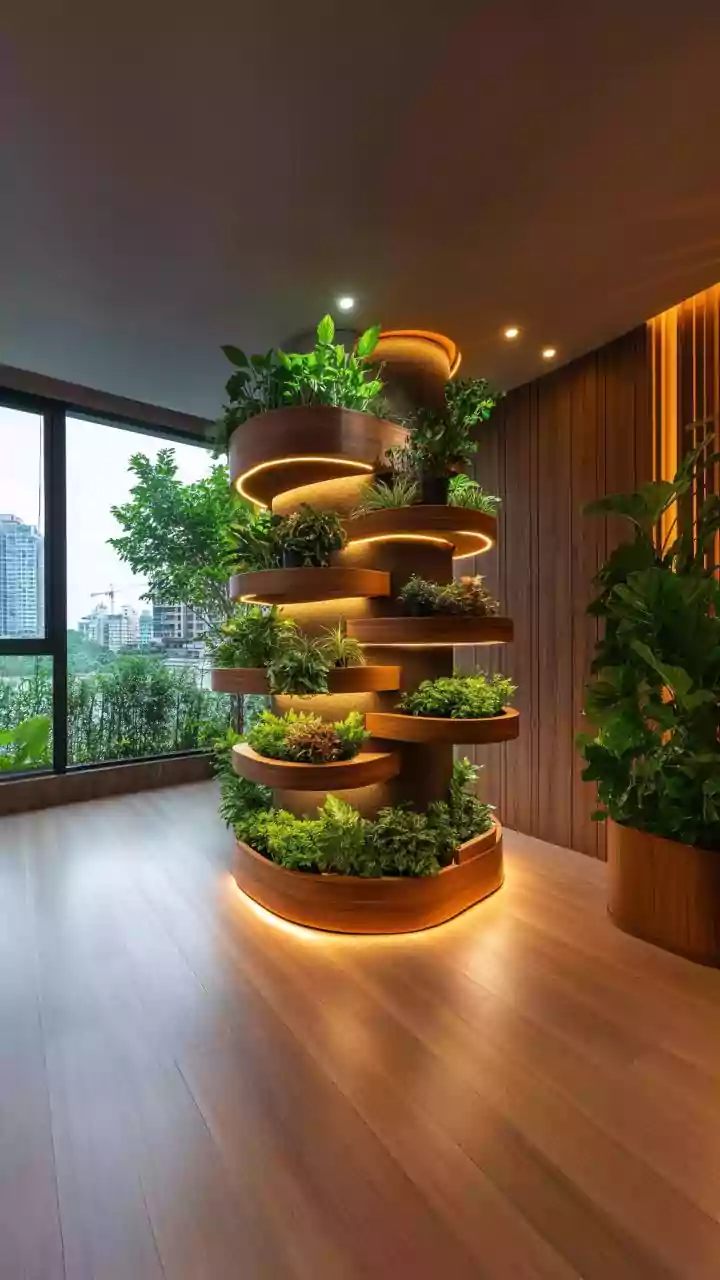
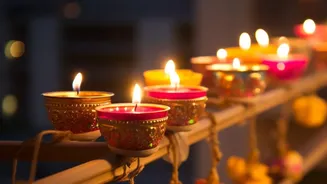
Perhaps the most impactful change is the move away from the single, harsh ceiling light. For decades, many Indian homes relied on one central fixture to illuminate an entire room, often resulting in a flat, uninviting glare. Today, designers are championing layered lighting—a sophisticated approach that uses multiple light sources to build mood, create depth, and improve functionality. This technique involves combining three distinct types of light. The first is 'ambient' light, the general, foundational glow often provided by recessed lights in a false ceiling or a central chandelier. The second is 'task' light, which is focused illumination for specific activities, like a floor lamp beside a chair for reading. The third is 'accent' light, which is used to highlight architectural features, artwork, or plants. By placing these different sources at various heights and putting them on separate dimmer controls, a living room can transform from bright and functional for a family gathering to soft and intimate for a quiet evening. This approach allows you to 'paint with light', creating a dynamic, versatile, and ultimately more beautiful space.
Weaving a Cohesive Sanctuary
These three trends—curved furniture, natural materials, and layered lighting—are not independent phenomena. They work in harmony to create a single, cohesive feeling: that of a sanctuary. The soft, sculptural lines of a curved sofa are beautifully complemented by the raw texture of a jute rug beneath it. Layered lighting, in turn, can be used to cast a warm, inviting glow that enhances the grain of a wooden table or the weave of a cane chair. The overall effect is a living room that feels less like a showroom and more like a personal retreat. It’s an environment that soothes the senses and supports well-being. The round edges improve flow, the natural textures provide a connection to the outdoors, and the varied lighting creates an atmosphere of warmth and security. Together, they represent a fundamental shift in design philosophy, moving away from pure aesthetics and toward creating spaces that genuinely make us feel good.