

The Return to Mindful Decor
In recent years, there has been a noticeable shift in how families approach festival decorations. The desire for grand, commercially produced displays is giving way to a more thoughtful and sustainable ethos. This Navratri, the trend solidifies around
the principle that less, when chosen with intention, is significantly more. Homeowners are consciously moving away from plastic and disposable items, instead embracing decor that is both beautiful and meaningful. This isn't about austerity; it's about authenticity. It’s a celebration of natural materials, handcrafted items, and the quiet joy found in creating a festive space with one’s own hands. The focus is on creating an atmosphere of peace and devotion, where the decor serves as a gentle backdrop for prayers and family gatherings, rather than being the main event itself. This approach not only connects us to cultural roots but also promotes a more eco-friendly way of celebrating.
The Elegance of Fresh Flowers
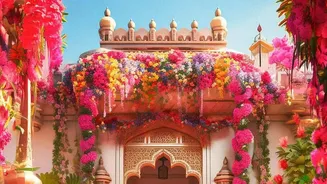
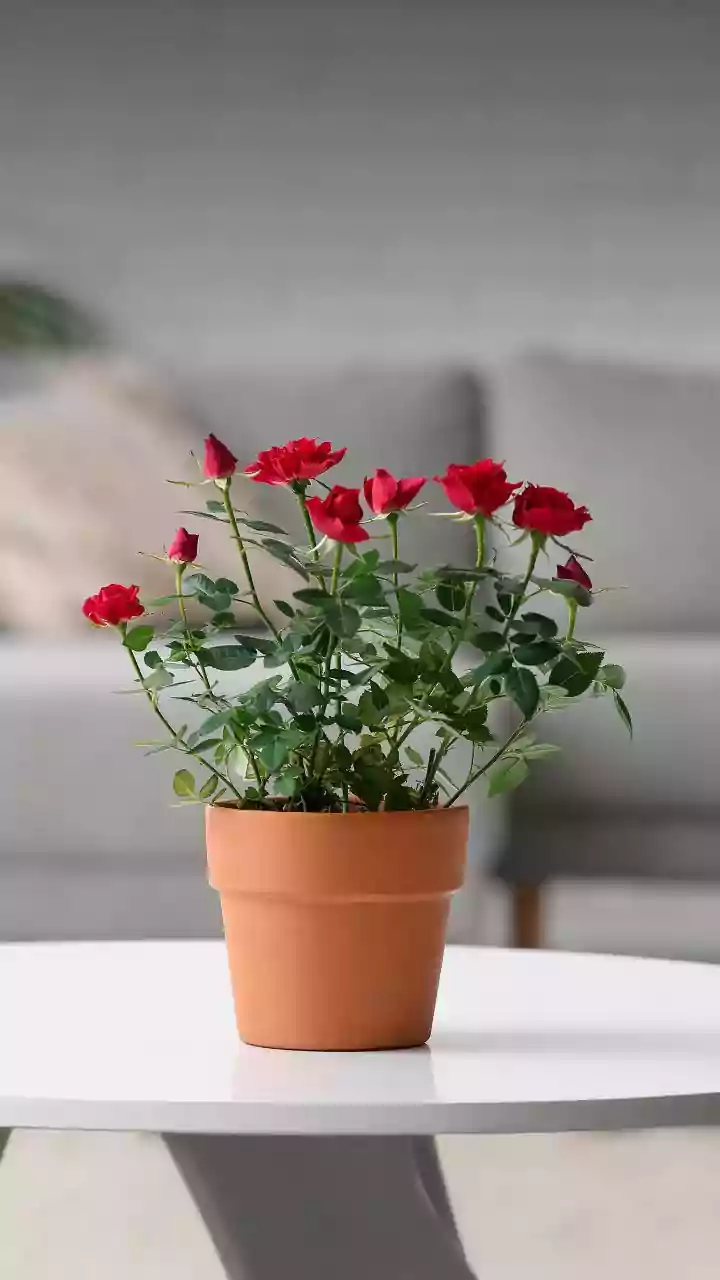
Flowers are the heart and soul of this simple decor trend. Their natural beauty, fragrance, and transient nature are a perfect metaphor for the festive season. The key is to use them in classic, impactful ways. Torans, or door garlands, made of marigold and mango leaves are a timeless choice for welcoming guests and positive energy. A large brass or earthen urli, a decorative bowl, filled with water and floating petals of roses, marigolds, or jasmine can become a stunning centrepiece for a living room or entryway. Even the puja space can be transformed with a simple backdrop of flower strings. Instead of exotic, imported blooms, the emphasis is on using local and seasonal flowers. This not only supports local vendors but also ensures freshness and fragrance, adding a sensory layer to the festive experience that artificial decorations cannot replicate.
The Welcoming Art of Rangoli
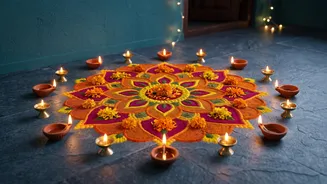
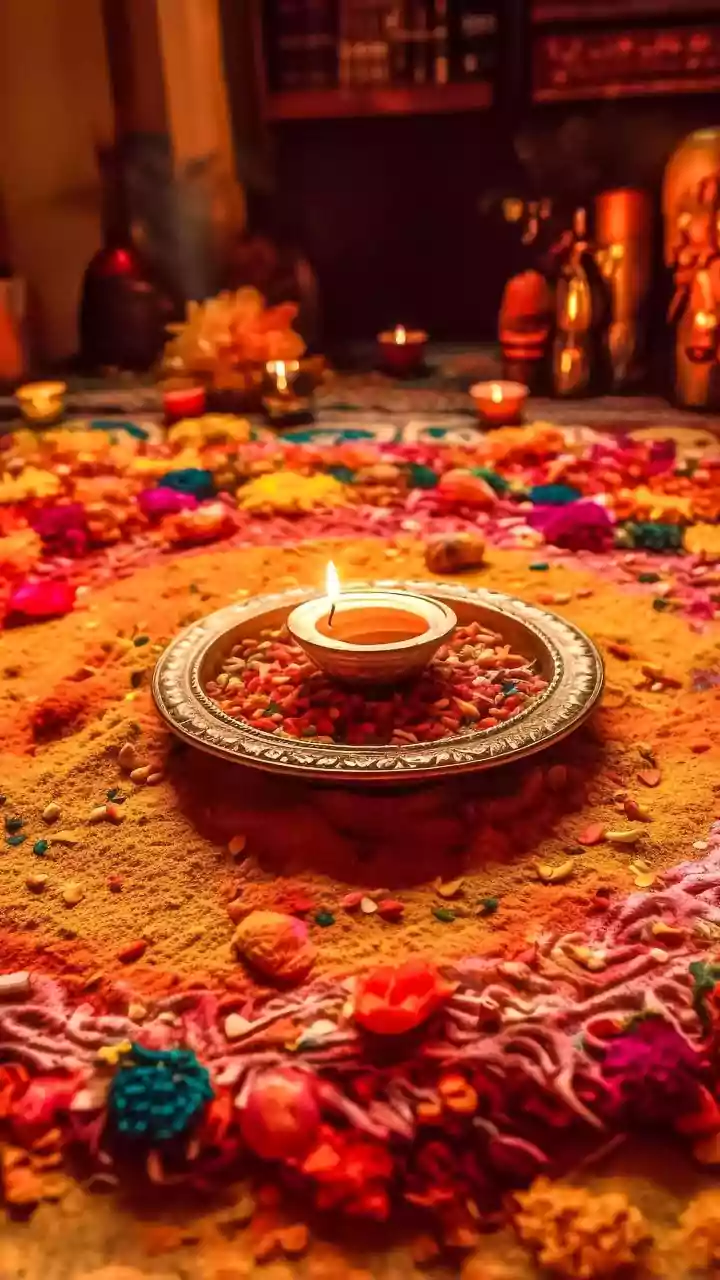
A rangoli at the entrance is a quintessential part of Indian festivals, symbolising a warm welcome to both guests and the divine. The trend towards simplicity extends here as well. While intricate designs made with coloured powders remain popular, many are now opting for floral rangolis. These are created using the petals of different flowers to form vibrant patterns on the floor. They are often easier to create, look wonderfully fresh, and fill the air with a subtle, pleasant aroma. For those who prefer the classic powder rangoli, using rice flour for the white portions and natural colours like turmeric (yellow) and kumkum (red) is a traditional and eco-friendly alternative to synthetic powders. A few strategically placed earthen diyas around the rangoli can illuminate the design in the evening, making it even more captivating.
The Warm Glow of Traditional Lighting
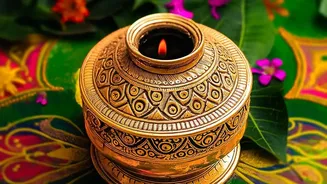
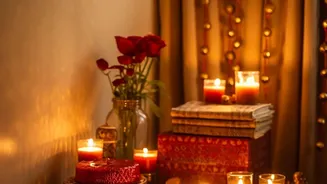
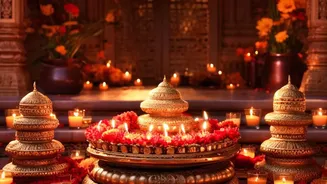
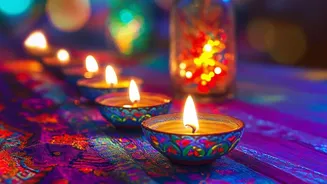
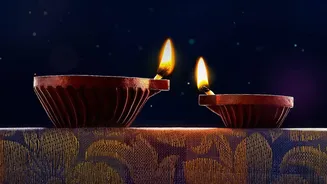
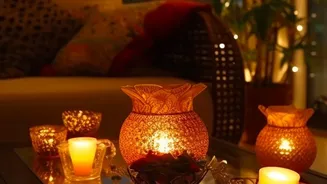
Lighting sets the mood for any festival, and for Navratri, the preference is overwhelmingly for a warm, gentle glow. The humble earthen diya is the star of the show. Placing rows of diyas on windowsills, balconies, and around the rangoli creates a serene and sacred atmosphere. Brass lamps, from small, single-wick diyas to larger, ornate samais, are also making a strong comeback. They are not only beautiful and traditional but are also a sustainable choice that can be used year after year. While colourful, flashing fairy lights are taking a backseat, warm white or golden LED string lights are often used to complement the traditional diyas. They can be draped around pillars, doorways, or used to create a soft, glittering backdrop for the mandir, adding a touch of magic without overpowering the calmness of the oil lamps.
Weaving It All Together
The beauty of this simple decor style lies in its cohesion. The elements of flowers, rangoli, and light work together harmoniously. To complete the look, many are turning to traditional textiles. A colourful handloom saree, perhaps a bandhani from Gujarat or a silk from the South, can be draped as a backdrop for the puja altar. Hand-printed cushion covers and traditional rugs can add warmth and texture to the living space. The idea is to create a layered look that feels curated and personal. By combining these simple, timeless elements, your home becomes more than just decorated—it becomes a space that truly reflects the grace, devotion, and quiet joy of the Navratri festival.