





The Plant-Milk Paradox
The demand for dairy-free alternatives in India is booming, driven by rising lactose intolerance, health consciousness, and ethical considerations. While soy and almond milks have long dominated the scene, they exclude a significant group of people who
are allergic to the very ingredients they are made from. This has created a paradoxical situation where the solution to one dietary restriction introduces another. Consumers are left searching for a milk alternative that is free from dairy, lactose, soy, and nuts. This growing need has paved the way for innovative options derived from less common sources, with pea and hemp milks emerging as frontrunners.
Pea Milk: The Protein Powerhouse
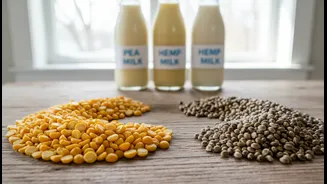
Don't worry, it doesn’t taste like green peas. Pea milk is made from yellow split peas, and its biggest selling point is its impressive protein content. Most brands offer around 8 grams of protein per cup, the same amount found in a glass of cow's milk and comparable to soy milk. This makes it a standout choice, as many other plant milks like almond or rice are notoriously low in protein. Taste-wise, pea milk is known for having a mild, neutral flavour and a surprisingly creamy, smooth texture that closely mimics dairy milk. It is naturally free from common allergens like nuts, soy, and gluten, making it a safe and nutritious choice for many. Brands also often fortify it with essential nutrients like calcium, vitamin D, and iron.
Hemp Milk: The Omega-Rich Option
Made by blending water with seeds from the hemp plant, this milk is a nutritional gem. While it won't get you high, it does offer a wealth of health benefits. Hemp milk is a source of complete protein, meaning it contains all nine essential amino acids. Its main claim to fame is its healthy fat profile, rich in both omega-3 and omega-6 fatty acids, which are crucial for brain and heart health. Like pea milk, it is naturally free of soy, dairy, and nuts. The flavour is distinctly different from pea milk, often described as earthy and nutty, with a thinner consistency. While its protein content (around 3-5 grams per cup) is lower than pea milk's, its unique fatty acid profile makes it a valuable addition to any diet.
Nutritional and Practical Differences
When choosing between the two, your personal health goals are key. If high protein is your priority for muscle building or staying full, pea milk is the clear winner. An unsweetened cup of pea milk typically has around 70-80 calories and 8 grams of protein. If you're looking to boost your intake of healthy fats, particularly anti-inflammatory omega-3s, hemp milk is the better choice, providing about 3 grams of protein for around 60 calories. In the kitchen, their textures guide their use. The creaminess of pea milk makes it an excellent all-rounder for coffee, tea, and cooking, where it can replace dairy milk without compromising texture. The nuttier, thinner hemp milk shines in smoothies, with cereal, or as a flavourful drink on its own.
The Sustainability Angle
For the eco-conscious consumer, both pea and hemp are excellent choices. Pea cultivation is known to be gentle on the environment. Peas are a nitrogen-fixing crop, which means they enrich the soil they grow in. They also generally require less water than almonds. Hemp is an environmental champion. It's a highly resilient plant that grows quickly, requires little water, and naturally resists pests, reducing the need for pesticides and herbicides. Furthermore, hemp is a carbon-sequestering powerhouse, absorbing more CO2 per hectare than many forests. Compared to the significant water usage of almond farming or the land-use issues with dairy, both pea and hemp milks represent a much more sustainable sip.