






From Pilgrimage to 'Shrinecation'
For centuries, faith-based travel in India has been a cornerstone of domestic movement, with an estimated 60% of all local travel linked to faith. But what was once a ritual-driven journey, often undertaken by older generations, is rapidly evolving. Today,
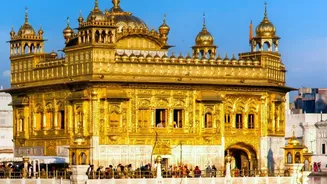
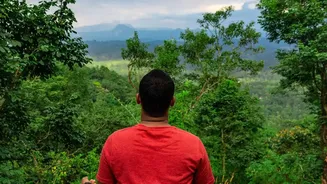
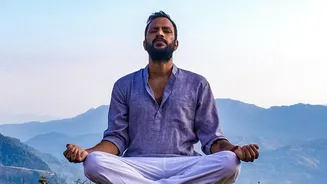
the definition of spiritual travel is expanding. It’s not just about religious obligation anymore; it’s a broader quest for meaning, wellness, and cultural immersion. This shift has given rise to a new travel trend, particularly among younger Indians: the 'shrinecation'. This hybrid trip combines a visit to a sacred site with the leisure and discovery of a vacation, blending temple visits with activities like yoga retreats, trekking, and local cultural experiences.
The New Wave of Spiritual Travellers
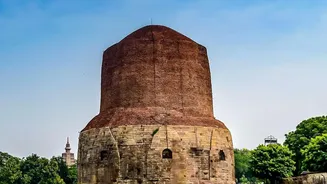
The demographic of the spiritual traveller is changing dramatically. It's no longer dominated by the devout elderly. Instead, Millennials and Gen Z are emerging as a powerful force in this segment. Young travellers aged 18 to 35 are increasingly exploring destinations like Varanasi, Rishikesh, and Bodh Gaya. They are motivated not just by faith, but by a desire for personal growth, mental peace, and a break from their hyper-connected lives. This generation seeks authenticity and experiences over material possessions. Online travel platforms have noted this shift, with one reporting a 40% rise in flight bookings and a 150% increase in hotel bookings for religious destinations.
Why the Sudden Surge in Soul-Searching?
Several factors are fueling this boom. In a fast-paced world, many people are grappling with digital overload and burnout, leading them to seek disconnection and inner peace. A spiritual journey offers a chance for self-reflection and rejuvenation. The search for meaning became even more pronounced following the global pandemic. Furthermore, social media plays a huge role. Platforms like Instagram have made serene ashrams, stunning mountain temples, and ancient holy cities highly aspirational, inspiring a new generation to embark on their own journeys. This digital visibility, combined with improved infrastructure under government schemes like PRASHAD, has made these destinations more accessible and appealing than ever before.
India's Spiritual Hotspots Get a Modern Makeover
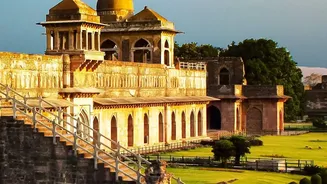
In response to this new demand, India’s traditional pilgrimage centres are transforming into integrated tourism hubs. Cities like Varanasi, which saw visitor numbers jump after the redevelopment of the Kashi Vishwanath corridor, are now catering to travellers seeking more than just a temple visit. The focus is shifting from ritual-led visits to experience-led journeys. This has led to a boom in premium accommodation, with hoteliers tripling the number of rooms in temple towns between 2015 and 2023. Tour operators are curating 'pilgrimage plus' packages that combine spiritual sites with adventure and wellness, from river rafting in Rishikesh to heritage walks in Varanasi.
The Economic and Cultural Ripple Effect
This trend is creating a significant economic impact. In 2022, spiritual tourism in India generated revenues of around ₹1.34 lakh crore, a massive increase from the previous year. The market is projected to grow substantially, potentially creating over one hundred million jobs by 2030. This growth benefits local economies through spending on hotels, food, transport, and local crafts. However, this boom also presents challenges. The surge in visitors can lead to overcrowding, strain on infrastructure, and concerns about preserving the sanctity and environment of these sacred places. Striking a balance between promoting tourism and ensuring sustainability will be crucial for the future of these timeless destinations.