



The Monsoon's Dual Nature
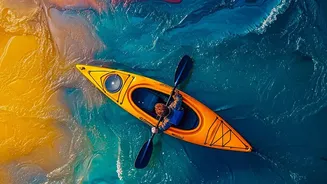
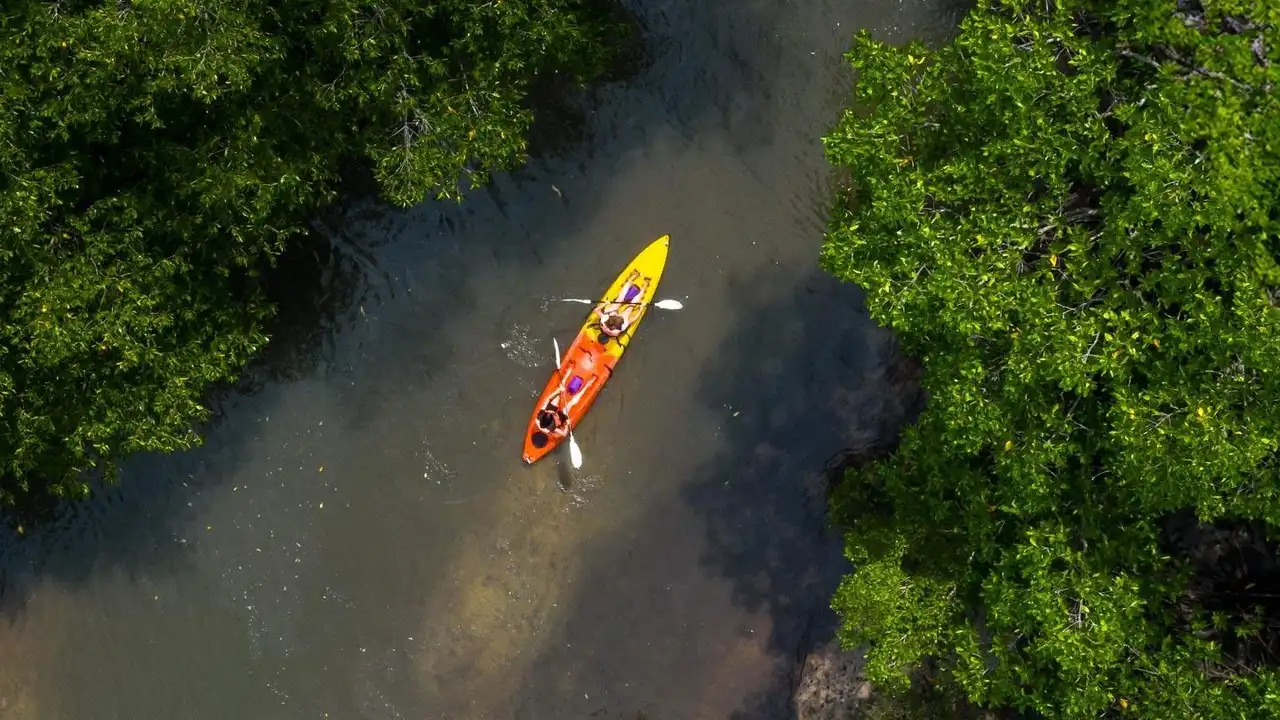
From June to September, Meghalaya, the 'abode of clouds', receives some of the highest rainfall on Earth. This deluge transforms the landscape. Gentle, crystal-clear streams like the Umngot and Kynshi become ferocious, chocolate-brown torrents of whitewater.
This raw, unfiltered power is a massive draw for elite kayakers worldwide, offering a rare encounter with nature at its most formidable. However, this transformation also brings with it a unique set of hazards that are unforgiving to the unprepared. The very thing that makes the rivers so alluring—the sheer volume and force of the water—is what makes them so dangerous.
Beyond 'Difficult': Class V Explained
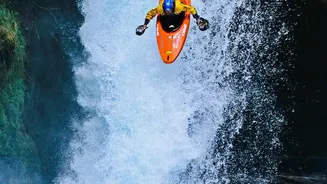
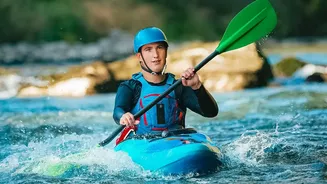
Whitewater is graded on a class system from I (easy) to VI (extreme and exploratory). During the monsoon, many of Meghalaya's famed river sections surge into the Class IV and V categories. Class V is defined as having long, violent rapids, steep drops, and complex, powerful hydraulics that demand expert-level precision. Mistakes have severe consequences. These are not recreational floats; they are expeditions into a high-stakes environment where the river is in complete control. Kayakers on these routes are constantly making split-second decisions to navigate monstrous waves, whirlpools, and other potentially lethal features.
The Unpredictability of Flash Floods
One of the greatest threats is the speed at which conditions can change. The steep, narrow gorges of the Khasi and Jaintia Hills act as funnels. A heavy downpour upstream can send a sudden, violent pulse of water downstream, causing river levels to rise several feet in mere minutes. This is known as a flash flood. There is often no warning, and an easily navigable rapid can become a death trap almost instantly. Local guides possess deep knowledge of these flash-flood patterns, but even they treat the monsoon rivers with immense respect, knowing that the weather is the ultimate authority.
Hidden Dangers: Sieves and Undercuts
The danger in Meghalaya's rivers isn't just about big water; it's also about what lies beneath. The powerful currents carve out treacherous features in the bedrock. Undercuts are rocks where the current flows underneath the surface, creating a submerged trap. Sieves are boulder jumbles where water is forced through small, impassable gaps. For a kayaker, getting pushed into one of these features is a dire emergency. Professional guides stress that advanced training is crucial for learning how to identify these hazards from upstream and, most importantly, how to avoid them entirely.
The Skill Gap: Advanced Paddling vs. The Basics
Successfully navigating a Class V river requires far more than a reliable roll. It demands an arsenal of advanced techniques: boofing (lifting the bow over a drop to avoid being submerged), high-speed ferry glides across powerful currents, and the ability to read complex, chaotic water. More than that, it requires the psychological fortitude to remain calm and execute these moves perfectly under immense pressure, often for multi-day stretches in remote canyons. Intermediate skills are simply not enough to contend with the power and complexity of these monsoon-fed rivers.
Why Advanced Rescue Training is Non-Negotiable
When things go wrong on a remote Class V river, there is no one to call. You and your team are the only rescuers. This is why professional guides insist on advanced training like a Swiftwater Rescue Technician (SRT) or Whitewater Rescue Technician (WRT) course. These courses go far beyond simple throw-bag skills. They teach complex, life-saving techniques such as live-bait rescues (where a rescuer is tethered to swim out to a victim), setting up mechanical advantage rope systems to unpin a trapped boat, and managing a chaotic emergency scenario. This training prepares paddlers for the grim reality that they must be self-sufficient.
The Isolation Factor
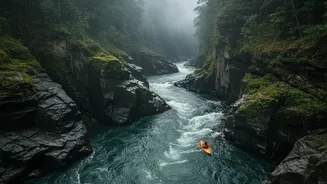
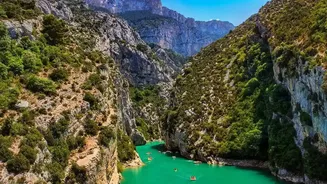
Many of Meghalaya's premier kayaking runs, like sections of the Kynshi, flow through deep, inaccessible gorges where the only way out is downstream. Hiking out can mean days of gruelling travel through thick, pathless jungle, if it's possible at all. This isolation amplifies every risk. A broken paddle, a lost boat, or a minor injury can escalate into a serious survival situation. Advanced training provides the hard skills for rescue and the decision-making framework to avoid needing one in the first place.