

An Escape from the City Lights
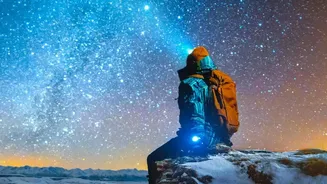
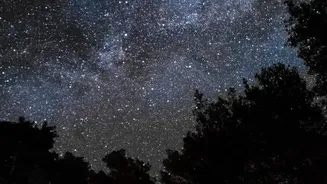
For many living in India's bustling metropolitan areas, the star-filled sky is a distant memory, obscured by a persistent veil of light and air pollution. This has sparked a desire to reconnect with nature in its purest form. Astrotourism, or dark-sky
travel, is the answer for many. It involves travelling to remote locations specifically for the purpose of observing the night sky, free from the light pollution that plagues urban centres. Post-lockdown, this trend has accelerated as people increasingly seek out new, offbeat experiences that bring them closer to nature. For some, it’s about reliving the starry nights of their childhood; for others, it's a profound, almost spiritual experience to witness the cosmos in its full glory.
The Magic of Winter Skies
While stargazing is a year-round activity, winter holds a special appeal for enthusiasts in India. The period from November to February often brings crisper, clearer skies. The lower humidity and reduced atmospheric haze, particularly in high-altitude desert and mountain regions, result in exceptionally clear viewing conditions. Winter also offers the advantage of longer nights, providing an extended canvas for the celestial show. Specific constellations and deep-sky objects become more prominent during these months, offering a different but equally spectacular view compared to the summer sky. The Geminids meteor shower, one of the most brilliant of the year, is a major draw for those who travel in December.
India's Celestial Hotspots
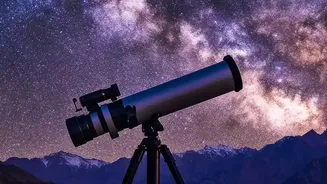
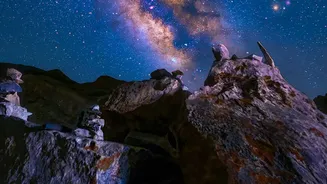
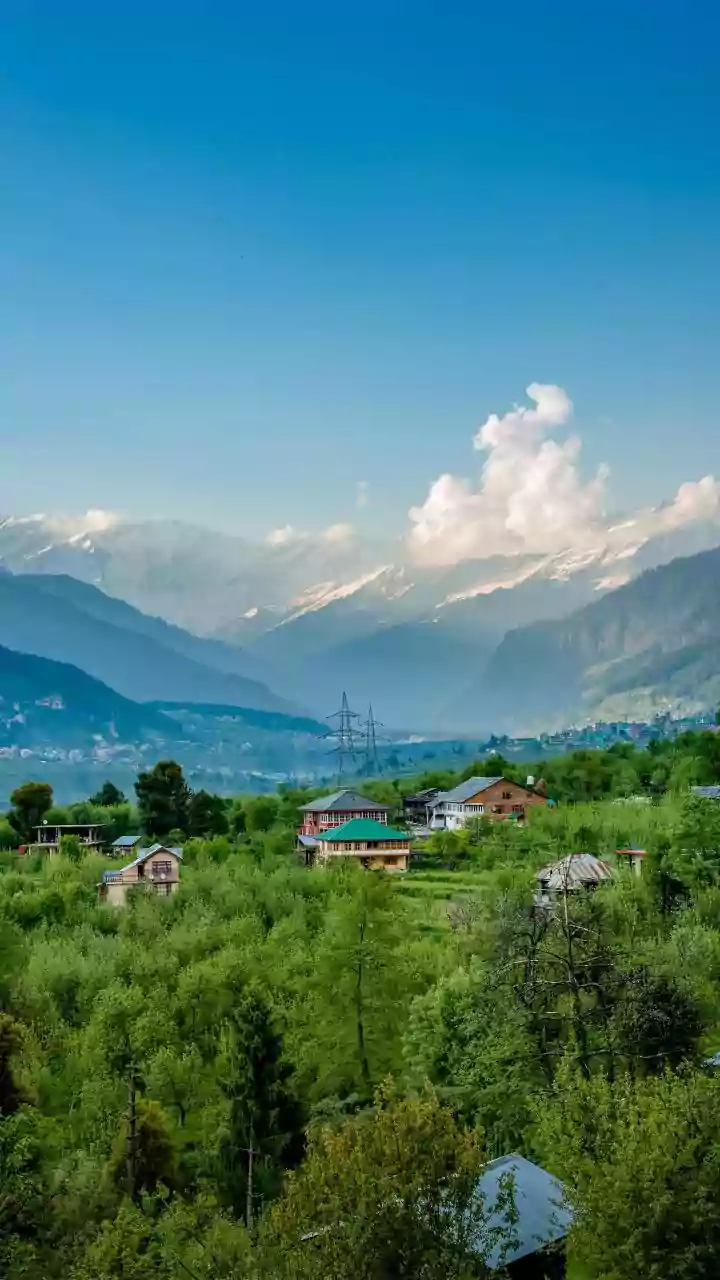
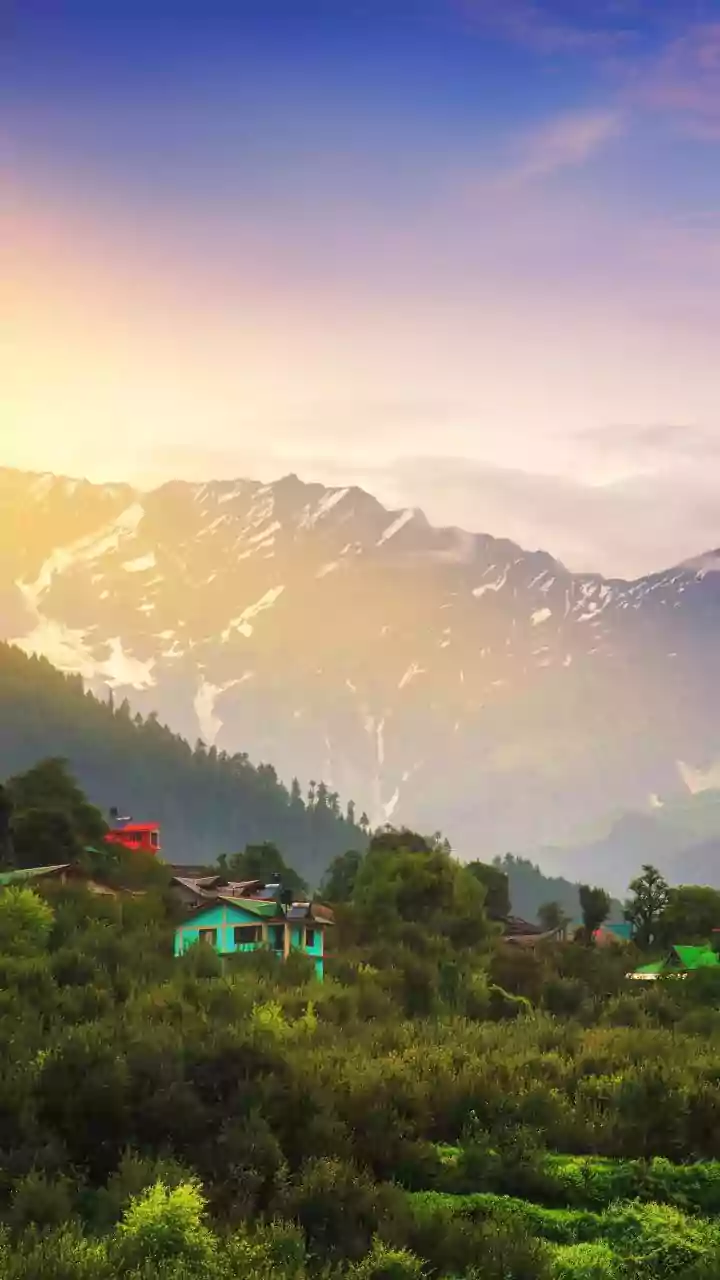
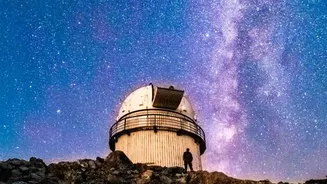
India's diverse geography offers a surprising number of world-class stargazing destinations. The undisputed crown jewel is Hanle in Ladakh, home to India's first-ever Dark Sky Reserve. Situated at an altitude of over 4,500 metres, its remote location and clear, dry air provide some of the darkest skies on the planet, achieving a Bortle Class 1 rating. The establishment of the reserve in 2022 has caused a surge in visitors to the region. Other Himalayan destinations like Spiti Valley in Himachal Pradesh, particularly villages like Kaza and Kibber, are also famed for their pristine night skies. Beyond the Himalayas, the vast salt desert of the Rann of Kutch in Gujarat and parts of the Thar Desert near Jaisalmer offer uninterrupted horizons perfect for stargazing. Even in the south, locations like Coorg in Karnataka provide surprisingly dark skies away from city centres.
More Than Just Looking Up
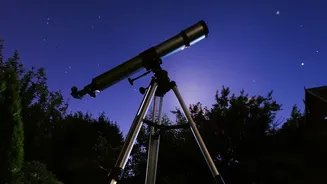
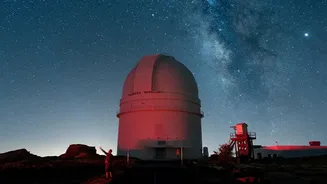
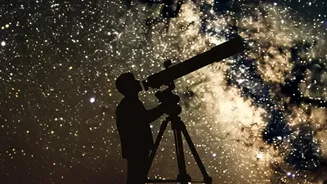
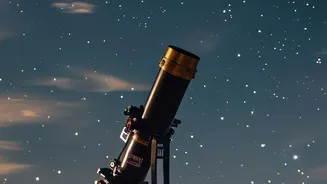
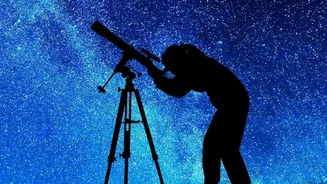
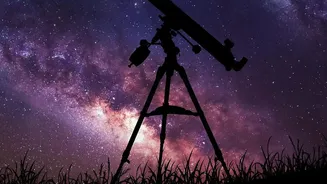
The rise of astrotourism has created a new ecosystem of experiences. It's no longer just about packing a pair of binoculars. Tour operators, hospitality companies, and local entrepreneurs are now offering curated celestial experiences. These can range from guided stargazing sessions with powerful telescopes to astrophotography workshops that teach you how to capture the Milky Way. Companies like Starscapes are establishing observatories and hosting events like the 'Nakshatra Sabha' in collaboration with tourism boards, making astronomy more accessible to beginners. This trend also provides a vital source of sustainable, community-focused tourism. In Hanle, for instance, local homestays have adapted to the dark sky regulations, and residents are trained as 'Astronomy Ambassadors' to guide visitors, directly benefiting the local economy.