





Goodbye to the Passport Sticker
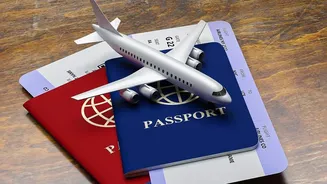
For decades, a UK visa meant a physical sticker, or 'vignette', carefully placed in your passport. As of early 2026, that era is over. The UK has completed its transition to a fully digital system where a traveller’s permission to enter is an electronic
record, known as an eVisa, linked directly to their passport. The application process remains largely familiar: Indians must still apply online, submit documents, and provide biometrics at a visa application centre. The key difference happens after approval. Instead of waiting for a passport with a new sticker, travellers receive a notification to access their eVisa through a secure online UK Visas and Immigration (UKVI) account. This digital record is what airlines and border officials will check electronically.
The Promise of Convenience
The main selling point of the eVisa system is convenience. A major benefit for Indian applicants is that they no longer need to leave their passport at an application centre for weeks during processing. For frequent travellers, students, and business people, this is a significant advantage, reducing travel disruption. The UK Home Office also highlights that a digital record cannot be lost, stolen, or tampered with in the same way a physical document can. Proponents argue the system streamlines the process, allowing for quicker checks at the border and making it easier for individuals to prove their right to work or rent without carrying physical documents. With over 500,000 visas granted to Indians in the year to March 2026, and visitor numbers projected to near one million by 2030, this efficiency is a key government objective.
A Global Push for Digital Borders
The UK's move isn't happening in a vacuum. It's part of a global trend towards digitising borders for enhanced security and efficiency. The UK's Electronic Travel Authorisation (ETA) — a system for visitors from countries that don't need a visa — mirrors similar schemes like the US ESTA and the EU's forthcoming ETIAS. While Indian citizens are not eligible for the ETA and still require a full visa, the underlying principle is the same: pre-screening travellers and creating a digital footprint of their journey. For governments, digital systems offer a wealth of data, allowing for real-time compliance checks and better tracking of entry and exit dates. This shift represents a fundamental change in how nations manage their borders, moving from physical stamps to data-driven oversight.
The Other Side: Glitches and Privacy
The case for digital status isn't without its critics, who raise significant concerns about reliability, access, and privacy. The entire system hinges on technology working perfectly. A system outage, connectivity issues, or even a simple data entry error could leave a legitimate traveller stranded, unable to prove their status, and potentially denied boarding by an airline. There have been documented cases in the UK's existing digital systems where glitches have mixed up user profiles or incorrectly displayed a person's status, causing immense distress. Furthermore, consolidating sensitive personal and biometric data into a central digital system creates a high-value target for security breaches. Critics also point to a new form of vulnerability: a person's legal status is no longer something they possess, but something held remotely by the government, accessible only through a digital portal.
The India-UK Test Case
The high volume of travel between India and the UK makes this route a critical test for the large-scale implementation of digital immigration checks. The experience of Indian students, tourists, and professionals will provide a wealth of real-world data on both the benefits and the pitfalls of this new model. How easily will users navigate the UKVI online accounts? What happens when a renewed passport isn't correctly linked to the eVisa in time for travel? The answers to these questions will be watched closely by other countries considering similar systems. For millions of Indians, the future of international travel has arrived, and their experiences will help shape the global conversation around the trade-offs between a seamless journey and the potential risks of a fully digitised identity.