




1. Perform a Pre-Monsoon Vehicle Check
Before you face the downpours, ensure your vehicle is ready. Your tyres are the single most critical safety component on wet roads. They need a tread depth of at least 3mm to effectively channel water and prevent hydroplaning, a dangerous situation where
your tyres lose contact with the road surface. A simple one-rupee coin test can help: if the coin's outer band is fully visible when inserted into the groove, your tyres are too worn for safe monsoon driving. Equally important are your windscreen wipers and brakes. Replace wiper blades that leave streaks or squeak, as clear visibility is non-negotiable in heavy rain. Remember that wet brakes can take two to three times longer to stop your vehicle. Get your brake pads and discs inspected to ensure they are in top condition. Finally, check all your lights—headlights, taillights, and indicators—to ensure you can see and be seen in low-visibility conditions.
2. Master Defensive Driving and Riding
Monsoon roads demand a different style of driving. The first rains are often the most dangerous, as they mix with oil and dirt on the road to create an exceptionally slick surface. The cardinal rule is to reduce your speed. This gives you more time to react to hidden potholes and other hazards concealed by standing water. Double your following distance from the vehicle in front of you to allow for longer braking distances on wet roads. When turning, do so slowly and avoid braking in the middle of a curve. For two-wheeler riders, this is even more critical. Ride smoothly, avoiding aggressive acceleration or sudden braking, which can easily lead to a skid. Be extra considerate of pedestrians and other two-wheelers, who are more vulnerable in the rain. Never assume a puddle is shallow; it could hide a deep pothole that could damage your vehicle or, for a biker, cause a serious accident.
3. Use Technology for Smarter Routing
One of the biggest monsoon frustrations is getting stuck in traffic caused by waterlogging. Fortunately, modern technology offers a powerful solution. Before you start your commute, use traffic navigation apps on your smartphone. These apps provide real-time updates on traffic congestion, road closures, and flooded areas, allowing you to choose a clearer, safer route. Planning your journey in advance can save you hours of frustration and reduce your risk of getting stranded. Some apps even allow you to compare different modes of public transport if your usual route is compromised. It’s also wise to plan your travel to avoid peak rush hour traffic, which is often magnified during the monsoon. If possible, try to complete your journey during daylight hours, as poor visibility and unmarked hazards make night driving significantly more dangerous in the rain.
4. Prioritise Your Health and Safety
Staying safe during the monsoon commute goes beyond just driving. It's crucial to protect your health from waterborne diseases. Never walk through stagnant floodwater if you can avoid it. This water is often contaminated with sewage and is a breeding ground for harmful bacteria and viruses that can cause infections like leptospirosis. If you get wet in the rain, change out of your damp clothes as soon as possible to prevent fungal infections and catching a cold. Pay special attention to your feet, drying them thoroughly to avoid fungal growth. It's also wise to boost your immunity during this season by eating a healthy diet rich in Vitamin C. Avoid street food, which carries a higher risk of contamination during the monsoon. Always carry a hand sanitiser and use it frequently, especially if you use public transport.
5. Prepare an Emergency Kit and Plan
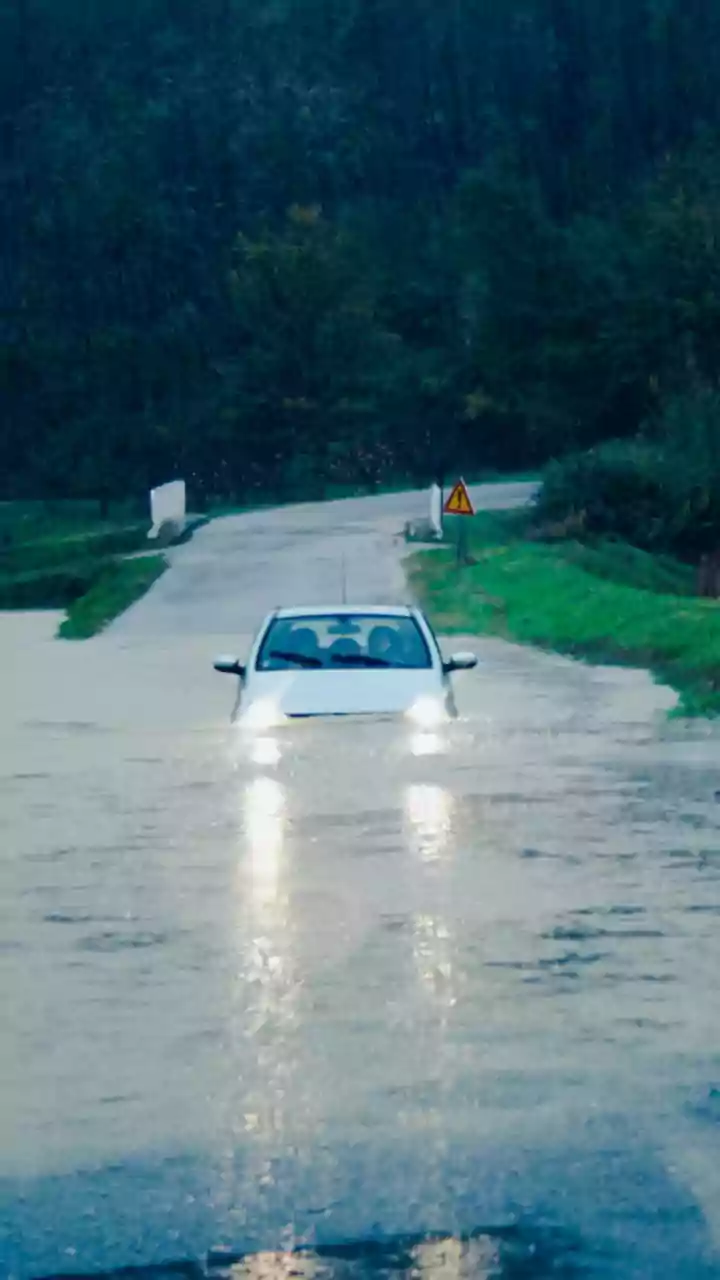
Hope for the best, but prepare for the worst. Getting stranded is a real possibility during severe monsoons. Keep a well-stocked emergency kit in your vehicle. This should include a first-aid kit, a powerful torch, dry snacks like power bars, and drinking water. A fully charged power bank for your phone is also essential. If you do get stuck in rising water, your safety depends on making the right call. If the water is not moving and has not risen above the bottom of your doors, it may be safest to abandon the vehicle and move to higher ground. However, never leave your car to enter fast-moving water. If your car gets caught in a flood, do not try to restart the engine, as this can cause severe and irreparable damage known as hydrostatic lock. Turn on your hazard lights, unlock the doors, and if possible, exit through a window. Your safety is more important than your vehicle.