







Come January 2027, air travel in India is set for a major overhaul. The government has notified a new set of rules, the Bharatiya Vayuyan Niyam, 2026, which will transform everything from how you book tickets to your baggage allowances.
Booking Gets More Transparent
The most significant
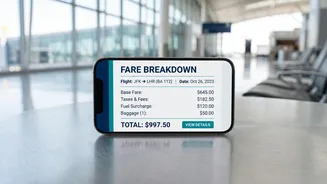
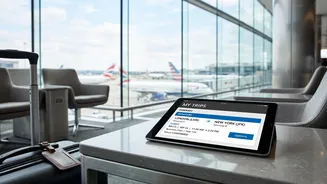
change for passengers is the mandate for complete fare transparency. Starting January 1, 2027, airlines must provide a detailed breakdown of the total ticket price at the time of booking. This means the base fare, taxes, airline fees, and other charges will be listed separately, giving you a clear picture of what you're paying for. This move is designed to eliminate hidden costs that often appear at the final payment stage, allowing for a more straightforward comparison between different airlines. The Directorate General of Civil Aviation (DGCA) will monitor these tariffs to ensure compliance.
Understanding Cancellation and Refund Policies
Under the new regulations, airlines are also required to clearly display their cancellation charges and refund conditions upfront. This enhanced transparency means passengers will know the exact financial implications of cancelling or changing a flight before they confirm their purchase. Previously, these policies could be difficult to find and understand, often buried in lengthy terms and conditions. The new rules, which replace the nearly 90-year-old Aircraft Rules of 1937, aim to empower consumers by providing all necessary information to make an informed decision.
What About Baggage Allowances?
While the newly notified rules focus heavily on fare transparency, the broader framework of the Bharatiya Vayuyan Niyam, 2026, covers all aspects of aviation, including operational safety and aircraft standards. At present, specific changes to baggage weight limits or cabin bag dimensions have not been the central highlight of the January 2027 rollout. Allowances currently vary by airline and ticket class, with a typical economy allowance being one piece of checked-in baggage at 15 kg and cabin baggage of 7 kg. The maximum weight for a single piece of checked baggage is generally capped at 32 kg across most carriers. Passengers should continue to check with their specific airline for the most current baggage information, as these policies can be updated independently of the new booking regulations.
Government Intervention in Airfares
A notable addition to the new rules is a provision that allows the central government to intervene in air ticket pricing during 'extraordinary situations'. While the rules don't define what constitutes such a situation, it grants the government temporary power to regulate fares in the public interest. This does not mean a permanent cap on prices; airlines will still set fares based on market demand and operating costs in normal circumstances. For passengers, this clause acts as a potential safeguard against extreme price surges during national emergencies or unforeseen events.
How to Prepare for Your Next Flight
As these changes take effect from January 2027, the booking process will become more straightforward. The key for travellers will be to pay close attention to the detailed fare breakdowns. Use this new transparency to your advantage by comparing the 'all-'in' cost of your ticket across different platforms. While baggage rules haven't been the focus of this recent notification, it is always a good practice to weigh your bags at home and double-'check your airline's specific cabin and check-'in allowances before heading to the airport. The ultimate goal of these new regulations is to create a more passenger-'friendly and transparent aviation ecosystem in the country.