


From Checklists to Connections
The traditional weekend getaway often felt like a race against time—ticking off landmarks, posing for the perfect photo, and returning more exhausted than when you left. Today, there's a clear shift away from this model of tourism. Young urban professionals,
grappling with digital fatigue and corporate burnout, are seeking more than just an escape; they're searching for enrichment. The focus has moved from luxury and consumption to experience and connection. Travel is no longer about proving where you've been, but about what you've learned, who you've met, and how you've grown. This has given rise to the 'micro-retreat'—a short, immersive, and affordable trip designed around a specific intention.
The Anatomy of a Micro-Retreat
So, what exactly is a purpose-driven micro-retreat? Think of it as a condensed vacation with a clear goal. Lasting anywhere from a long weekend to three or four days, these trips are built around small, like-minded groups. Unlike a generic holiday package, every activity is curated to serve a central theme. The destination itself is often secondary to the experience on offer. The goal isn't to see a place, but to do something meaningful there. This format makes travel more accessible and sustainable as a regular practice, rather than a once-a-year splurge. Instead of returning with souvenirs, travellers come back with new skills, fresh perspectives, and genuine human connections.
A Weekend for Every 'Why'
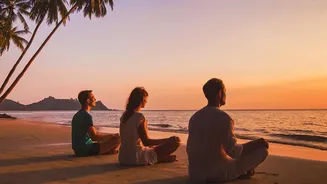
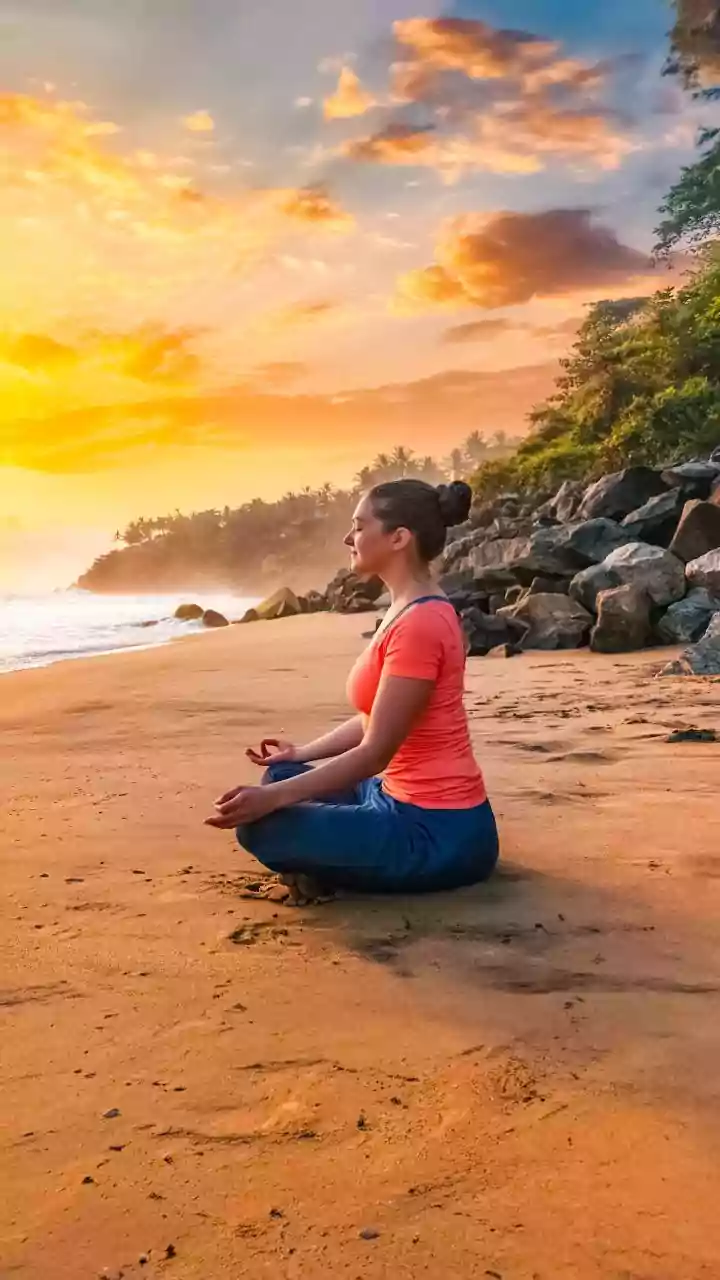
The beauty of this trend lies in its diversity. The 'purpose' can be anything that nurtures the mind, body, or soul. Wellness retreats are perhaps the most popular, offering everything from Ayurvedic detoxes in Kerala to yoga and meditation in the Himalayan foothills of Rishikesh. For those seeking a tangible new skill, there are workshops on pottery in Rajasthan, the ancient martial art of Kalaripayattu in Kerala, or even traditional Madhubani painting in Bihar. Others are driven by a desire for community. Travel companies now curate group trips for solo travellers, bringing together people with shared interests for treks and cultural explorations. This organised social travel provides a ready-made community for those looking to forge new bonds.
Travel That Gives Back
A significant driver of this trend is a growing environmental and social consciousness. Many young travellers want their trips to have a positive impact. This has fuelled the rise of eco-tourism, where the goal is to travel responsibly. This can mean staying in a community-run homestay in Nagaland's 'Green Village' of Khonoma, which famously banned hunting, or participating in conservation efforts like monitoring sea turtle nesting sites in the Andamans. Platforms have emerged that connect travellers with rural hosts, allowing them to volunteer their skills in exchange for food and lodging. This approach doesn't just make travel more affordable; it transforms it into an act of cultural exchange and mutual support.
The New Weekend Mindset
This evolution in travel reflects a broader generational shift. In a world of constant digital noise and professional pressure, the weekend is being reclaimed as a vital time for personal development and mental restoration. Young Indians are redefining productivity, viewing rest not as an absence of activity, but as an active process of renewal. They are investing their time and money more intentionally, seeking experiences that offer lasting value over fleeting luxury. The micro-retreat is the perfect manifestation of this mindset: it's efficient, accessible, and deeply personal. It proves that you don't need to travel far or for long to find what you're looking for.