






The New Digital Tutors
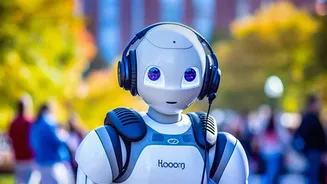
Forget simple spell-checkers. Today’s AI study aids are sophisticated platforms that can transform how students approach their work. Tools like intelligent tutoring systems, adaptive learning platforms, and conversational AI can explain complex concepts
in real-time, generate practice exercises, and even provide instant feedback on essay drafts. They can summarize dense reading materials, solve complex math problems step-by-step, and create personalized flashcards. For many students, this technology acts as a 24/7 learning companion, offering support that was once only available through human tutors. This has proven especially beneficial for making learning more accessible for students with disabilities or for whom English is a second language.
A Shortcut to Academic Success?
The benefits are undeniable. AI tools can help students manage heavy workloads and grasp difficult subjects by providing tailored explanations that match their learning pace. This personalization can reduce stress and boost motivation, allowing learners to focus on areas where they struggle most. Teachers also see advantages, as AI can automate routine tasks like drafting lesson plans or grading, freeing up more time for direct student interaction. Proponents argue that when used correctly, AI doesn't replace learning but supports it, helping students brainstorm ideas, organize their thoughts, and improve their writing. It empowers them to take more responsibility for their own educational journey.
The Convenience Trap
However, the line between using AI as a tool and relying on it as a crutch is becoming increasingly blurry. The most obvious concern is academic dishonesty and plagiarism. But a more subtle and perhaps more significant danger is the erosion of essential learning skills. The very struggle of wrestling with a difficult problem is often where true understanding is forged. When an AI provides the answer instantly, it can prevent students from developing critical thinking, persistence, and problem-solving abilities. Some experts warn of a "capability illusion," where students can produce sophisticated-looking work without gaining any real mastery of the subject matter. This over-reliance on technology raises a fundamental question: are we teaching students to think for themselves or simply how to delegate their thinking to a machine?
The Educator's Dilemma
Schools and universities are caught in a difficult position. While some have attempted to ban AI tools, many are realizing that is an impractical, and perhaps misguided, approach. The conversation has largely shifted from whether AI belongs in schools to how it can be integrated responsibly. This places a new burden on educators, who must now design assignments that are 'AI-proof'—tasks that require genuine critical thinking and personal insight that a machine cannot replicate. It also highlights the urgent need for AI literacy, teaching students not just how to use these tools, but also their limitations, biases, and ethical implications. Faculty guidance is proving critical; when professors actively encourage thoughtful use, students are more likely to use AI for deeper learning rather than just getting quick answers.
Redefining Learning for the AI Age
Ultimately, this technological shift is forcing a re-evaluation of what 'learning' and 'intelligence' even mean. In a world where information is instantly accessible, the ability to memorize facts becomes less important than the ability to ask the right questions, evaluate sources, and synthesize information critically. The future of education may not be about what an individual can do on their own, but how effectively they can blend their own judgment with powerful external tools—a concept some call "distributed intelligence." Success in the modern workforce already depends on this kind of human-machine collaboration. The challenge for our education system is to prepare students for this reality, cultivating their ability to think critically alongside AI without outsourcing their intellect entirely.