





The Dehydration Misconception
It’s easy to confuse the feeling of being sweaty with being hydrated, but they are not the same thing. The sheen on your skin is a mix of sweat (water and salt) and sebum (oil). This surface-level moisture does not reflect the actual water content within
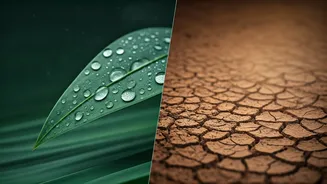
your skin cells. In fact, prolonged heat and sun exposure can lead to significant water loss from the skin's deeper layers, a process known as trans-epidermal water loss (TEWL). This can happen even when your skin feels oily on top. When your skin loses this internal water, it becomes dehydrated, which is a state of lacking water, not oil.
Why Sweat Can Make Things Worse
While sweating is a natural cooling mechanism, it can paradoxically contribute to dehydration. As sweat evaporates, it can strip the skin of its natural moisture. This dehydration can trigger a problematic cycle: when your skin's barrier senses a lack of water, it sends a signal to your sebaceous glands to produce more oil as a defense mechanism. This overproduction of oil is an attempt to create a seal and prevent further water loss. So, by skipping moisturizer on a sweaty day, you might actually be making your skin oilier while it remains desperately thirsty underneath.
Protect Your Skin's Barrier
Your skin barrier is the outermost layer that locks in moisture and protects you from environmental aggressors. Factors like sun exposure, heat, air conditioning, and even over-cleansing with harsh products can weaken this barrier. A compromised barrier can't effectively hold onto water, leading to increased TEWL and sensitivity. The feeling of tightness after washing your face, followed by a surge of oiliness later, is a classic sign of a dehydrated, compromised barrier. A good moisturizer helps to repair and support this crucial barrier, keeping it strong and functional.
Choose Your Hydration Wisely
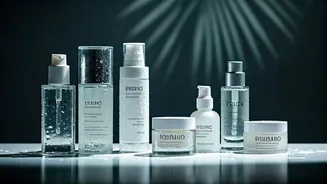
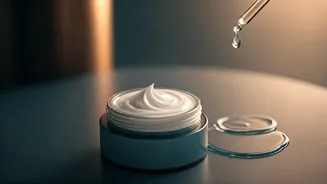
The key isn't to stop moisturizing, but to switch to the right kind of moisturizer for the conditions. In hot, humid weather, heavy creams can feel suffocating and clog pores. Instead, look for lightweight textures like gels, water creams, or lotions. Seek out products with humectants, which are ingredients that attract and bind water to the skin. Key players include hyaluronic acid, which can hold up to 1,000 times its weight in water, and glycerin, a reliable and effective hydrator. Niacinamide is another excellent ingredient that can help control oil production while supporting the skin barrier.
Ingredients That Seal the Deal
While humectants pull water in, other ingredients help lock it in. Ceramides are lipids that are naturally part of your skin barrier and help to fill in any gaps, preventing water from escaping. Many lightweight moisturizers now combine humectants like hyaluronic acid with ceramides to provide a one-two punch of hydration and barrier support without any greasiness. Formulations with these ingredients are often labelled as non-comedogenic, meaning they won't clog pores, which is ideal for oily or acne-prone skin, especially in summer.
Your Simple Summer Routine
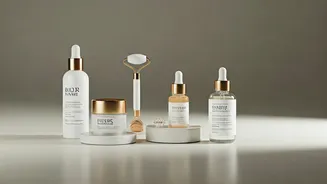
Keeping your skin happy in the heat doesn't require a complicated regimen. Start with a gentle, non-stripping cleanser to remove sweat and excess oil without damaging your skin barrier. While your skin is still slightly damp, apply a lightweight hydrating serum or moisturizer. Applying products to damp skin helps lock in even more moisture. Finally, and most importantly, always finish with a broad-spectrum sunscreen. Many modern sunscreens are formulated to be lightweight and can even offer moisturizing benefits, but they don't replace the targeted hydration of a good moisturizer.