

The Great Urban Squeeze
The most undeniable driver of this change is space—or the lack of it. As millions migrate to cities for opportunities, the pressure on housing has intensified. While some recent trends show a post-pandemic desire for larger homes, the dominant reality
for most urban dwellers, especially in metros like Mumbai, remains compact living. High property costs mean that every square foot is precious. This reality has forced a shift in mindset. Instead of bulky, single-purpose furniture that dominates a room, the need is for pieces that are efficient, space-saving, and versatile. Traditional heavy-wood furniture, once a symbol of permanence, can feel out of place in an 800-square-foot apartment that needs to function as a living room, dining area, and occasional workspace.
A Generation on the Move
Compounding the space issue is a cultural shift towards mobility. For a growing number of young professionals, a career path may involve moving between cities every few years. In this context, owning heavy, expensive furniture becomes a liability. The costs and hassle of shifting it, coupled with the risk of damage, make it an impractical investment. This has fueled the rise of the rental economy, not just for homes but for everything in them. People increasingly value access over ownership. Modular furniture fits perfectly into this transient lifestyle. Its key advantage is that it can be easily disassembled, transported, and reassembled, often in a new configuration to fit a different space. This flexibility is a massive draw for a generation that prioritizes adaptability and financial prudence over long-term commitments to physical assets.
The Home as the New Office
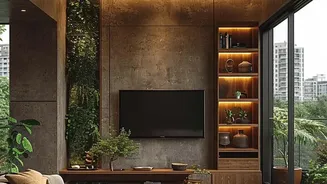
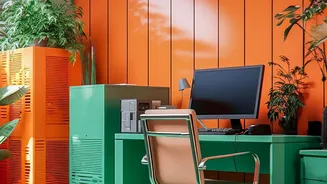
The widespread adoption of work-from-home (WFH) and hybrid models has been another powerful catalyst. Almost overnight, dining tables became desks and bedrooms doubled as boardrooms. This forced a re-evaluation of residential spaces, which now need to be productive during the day and relaxing in the evening. Modular designs offer clever solutions to this dilemma. A wall unit can incorporate a foldable desk that disappears after work hours. A sectional sofa can be reconfigured to create a focused work corner. Ergonomics, once an office concern, is now a domestic priority, and modular systems allow for the integration of adjustable and multi-functional pieces that support both work and life without sacrificing precious space.
Enter Modular: The Perfect Solution
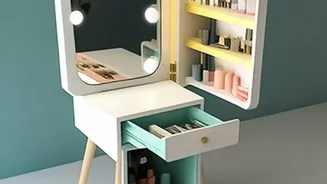
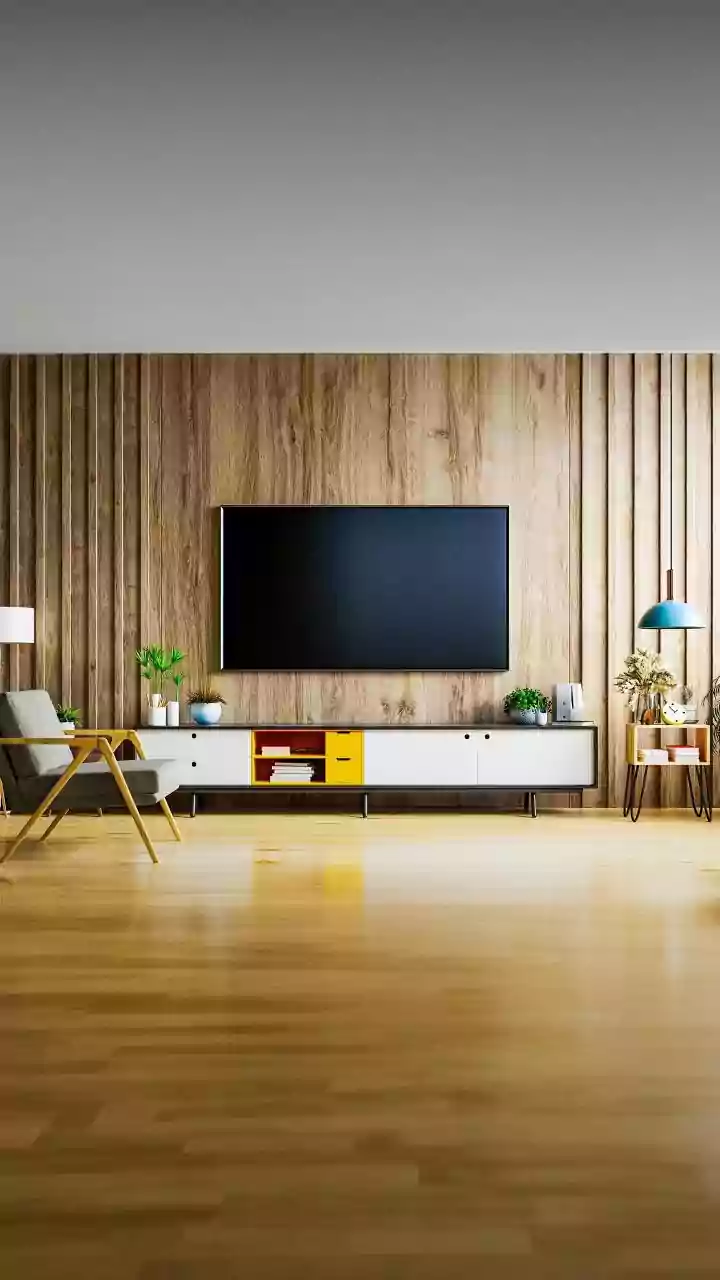
Modular furniture directly addresses these modern challenges. At its core, it consists of standardized units or sections that can be combined in various ways. This means you can customize a piece to the exact dimensions of your room, making maximum use of vertical space or awkward corners. The Indian modular furniture market is experiencing significant growth, with forecasts predicting it will reach USD 7.7 Billion by 2034. This surge is driven by consumer demand for furniture that is not just functional but also personalized. Homeowners can choose their own configurations, materials, and colours, allowing for a level of self-expression that traditional furniture often lacks. It offers the best of both worlds: a tailored fit for the home you have now, and the flexibility to adapt to the home you might have next.
More Than Just Utility
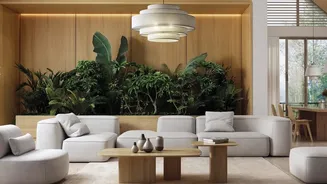
While practicality is its main selling point, the appeal of modular furniture now extends to aesthetics and sustainability. Modern designs are sleek, stylish, and can be integrated into any decor, from minimalist to cozy. Consumers are no longer forced to choose between form and function. Furthermore, the ability to add, subtract, or replace individual components is inherently sustainable. Instead of discarding an entire sofa because one part is worn or stained, you can simply replace that section. This promotes a circular economy, reducing waste and encouraging a more conscious approach to consumption. As urban Indians become more design-savvy and environmentally aware, furniture that aligns with these values is becoming increasingly desirable.