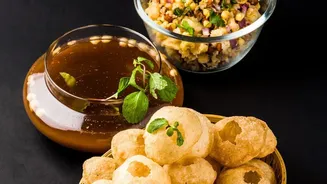


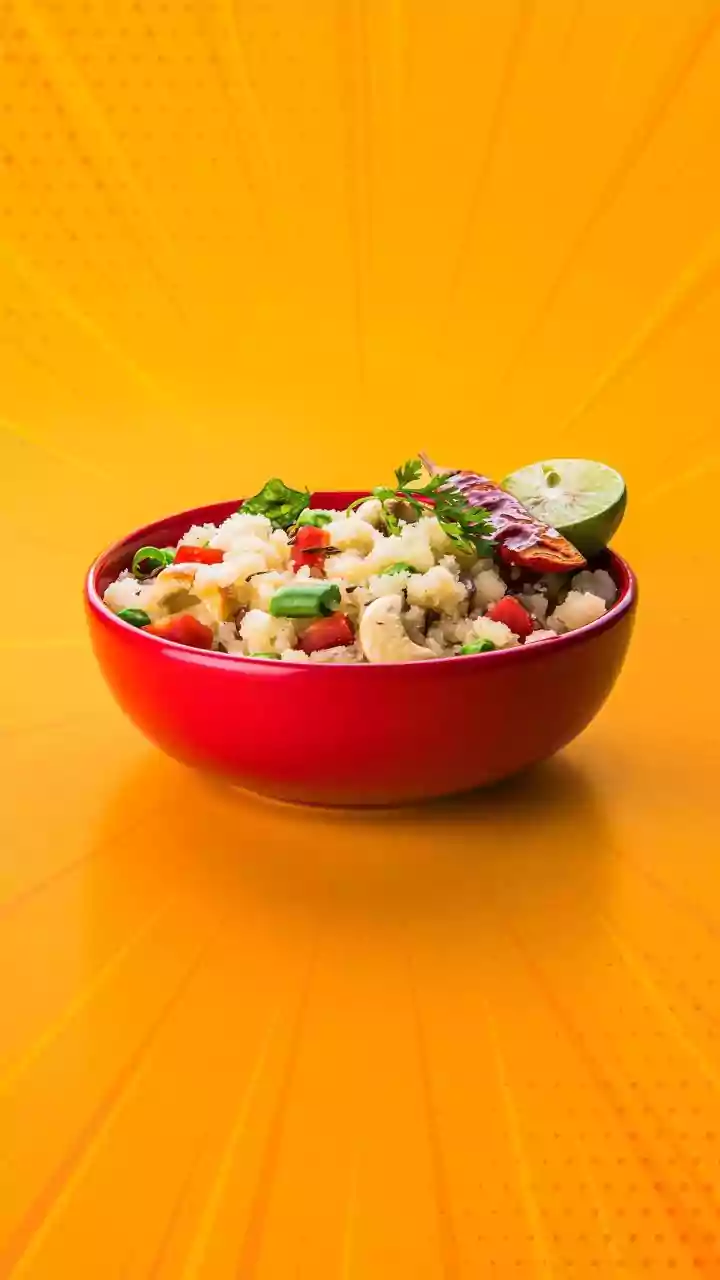

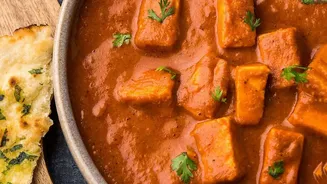


The explosive combination of sweet, sour, spicy, and crunchy makes Indian chaat an unforgettable street food experience. Recreating that complex magic at home can seem daunting, but it's surprisingly achievable with a few core techniques.
Mastering the Building Blocks
Authentic chaat
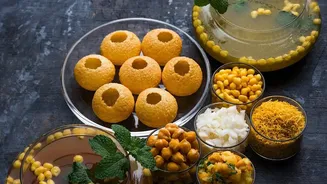
is all about the interplay of textures and layers. Instead of thinking of it as a single recipe, view it as a formula with interchangeable parts. Nearly every chaat dish starts with a base. This provides the foundation and primary texture, which could be a crispy, fried element like papdi (fried flour crisps), a crushed samosa, or puffed rice (murmura) as in bhel puri. The next layer introduces a soft, hearty element to absorb the sauces, most commonly boiled potatoes, chickpeas, or lentils. Finally, fresh toppings like finely chopped red onion and tomatoes add a sharp, refreshing bite that cuts through the richness. By stocking these basic components, you can assemble a variety of chaat dishes whenever the craving strikes.
The Soul of Chaat: Two Essential Chutneys
If there's one secret to authentic chaat, it's the chutneys. These sauces are the primary flavour drivers. You need two key types: a sweet and sour chutney, and a spicy green one. The sweet version is typically a tamarind and date or jaggery chutney (imli chutney). This provides the deep, tangy, and sweet notes that define chaat. The second is a vibrant green chutney made from fresh coriander, mint, green chillies, and lemon juice. This adds a fresh, herbaceous, and spicy kick. While you can buy these pre-made, whipping them up at home allows you to control the balance of flavours. They can be made in batches and stored in the refrigerator for weeks, making spontaneous chaat-making sessions even easier.
The Art of Balancing Flavors
The magic of chaat lies in the perfect balance of sweet, sour, spicy, and salty. This is not about creating one homogenous taste, but ensuring each bite delivers an explosion of contrasting sensations. The tamarind chutney provides sweetness, which is balanced by the sourness of lemon juice or yogurt. The green chutney brings the heat, which is then cooled by creamy yogurt. The final sprinkle of spices, especially chaat masala, amplifies all these flavours. When assembling your dish, taste and adjust as you go. If it tastes too sharp or acidic, a little extra sweet chutney can round it out. If it feels flat, a squeeze of lemon or a pinch of salt can make the flavours pop.
The Finishing Touch: Spices and Crunch
No chaat is complete without its signature spice blend and a final layer of crunch. The most crucial spice is chaat masala, a complex mix that includes amchur (dried mango powder), black salt (kala namak), and cumin, giving the dish its uniquely tangy and pungent aroma. Other helpful spices include roasted cumin powder and a touch of red chilli powder for extra heat. For the final, allstimportant textural contrast, a generous sprinkle of sev (crispy fried chickpea flour noodles) is nonstnegotiable. This adds a light, airy crunch that offsets the softer elements and sauces. Pomegranate seeds and fresh coriander leaves are also popular garnishes, adding a burst of freshness and colour.
Assembling Your Perfect Plate
The final rule of chaat is to assemble it just before serving. This ensures that the crispy components like papdi, puri, or bhel don't become soggy from the chutneys and yogurt. Start by arranging your base on a plate. Add the soft elements like potatoes and chickpeas. Drizzle generously with both the tamarind and green chutneys, followed by a layer of whisked yogurt if you're using it. Sprinkle liberally with chaat masala and other spices. Finish with a handful of chopped onions, fresh coriander, and a generous layer of sev. The key is layering, allowing each ingredient to shine while contributing to a harmonious whole.