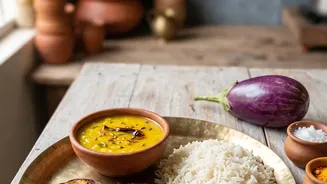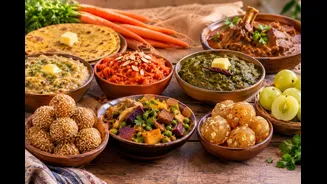



Sarson ka Saag and Makki ki Roti: A Rustic Classic
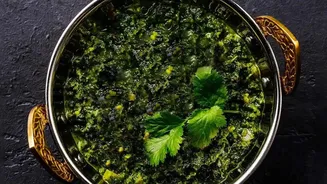
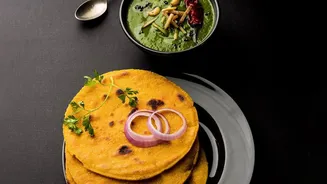
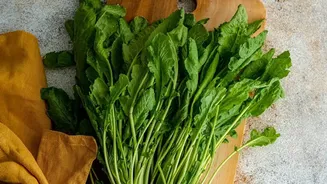
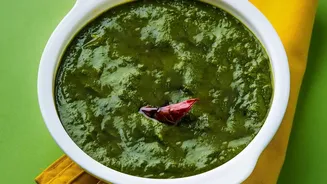
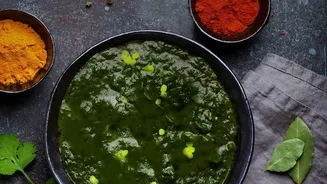
No dish screams 'winter' in Punjab quite like Sarson ka Saag paired with Makki ki Roti. This iconic combination is the heart of the region's winter cuisine. The 'saag' is a slow-cooked dish made primarily from mustard greens (sarson), which are harvested
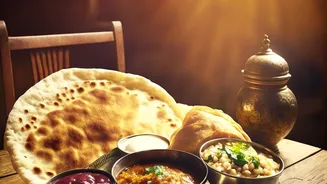
during the colder months. These greens, often blended with others like spinach (palak) and bathua, have a naturally warming effect according to Ayurveda. The slow-cooking process, enriched with ginger, garlic, and a generous amount of ghee, creates a creamy, earthy, and deeply comforting curry. It's a nutritional powerhouse, rich in iron, fibre, and vitamins that help boost immunity during cold and flu season. The saag is traditionally served with Makki ki Roti, a rustic flatbread made from maize flour, and topped with a dollop of white butter, making it a wholesome and sustaining meal that celebrates the winter harvest.
Gajar ka Halwa: The Quintessential Winter Dessert
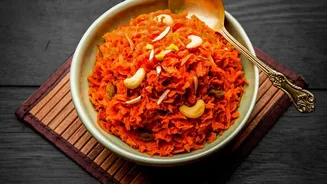
When winter arrives, so do the special red carrots that are essential for authentic Gajar ka Halwa. This beloved dessert is a seasonal ritual in many Indian homes. The carrots, which are juicier and sweeter during this season, are grated and then slow-cooked in milk until they soften and absorb the richness. Ghee, or clarified butter, is a crucial ingredient, not just for its flavour but because it is considered a warming agent in Ayurveda, perfect for the winter diet. The dish is sweetened and often finished with khoya (reduced milk solids) and a variety of nuts like almonds and cashews. Beyond being a delicious treat, this halwa is packed with nutrients. Carrots provide Vitamin A and beta-carotene, milk adds calcium, and the nuts and ghee offer healthy fats and energy to combat winter sluggishness.
Panjiri: The Superfood Powerhouse
Panjiri is less of a dessert and more of a nutritional supplement, traditionally prepared to provide warmth and energy throughout the winter. This crumbly, nutty mixture is made by roasting whole wheat flour (atta) in ghee and then combining it with powdered sugar or jaggery, and a generous amount of nuts and seeds. It's an energy-dense food, designed to fuel the body when it needs to work harder to stay warm. Panjiri is particularly known as a postpartum food for new mothers to help them regain strength, but it is enjoyed by the whole family. Its ingredients are chosen for their warming properties; ghee, nuts, and edible gum (gond) are all believed to generate heat in the body, helping to ward off seasonal colds and soothe aching joints.
Gond ke Laddu: Edible Gum Energy Bites
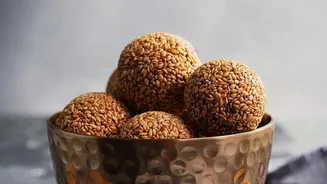
Gond ke Laddu are energy-packed sweet balls made specifically for the winter season. The star ingredient is 'gond', or edible acacia gum, which is prized in Ayurveda for its warming (garam taseer) properties. When fried in ghee, the crystalline gond puffs up into crunchy, light pearls. These are then crushed and mixed with whole wheat flour, ghee, nuts, and a sweetener like jaggery. The result is a delicious, crunchy laddu that serves as a powerful energy booster on cold days. These laddus are traditionally believed to strengthen bones, lubricate joints, and boost immunity, making them a popular snack for children and elders alike during the harsh winter months. One laddu with a glass of warm milk is considered a perfect winter breakfast in many North Indian households.