




The Deal and The Dream
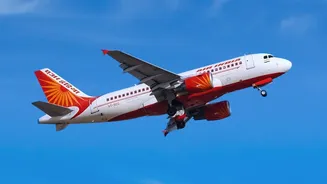
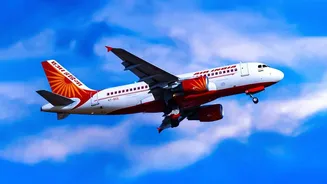
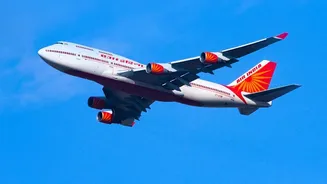
Singapore Airlines' 25.1% stake in Air India was not a simple cash purchase but the result of a significant strategic merger. It was formalised after the Tata Group, Air India’s new parent, and SIA agreed to merge Vistara, their joint venture airline,
into the larger Air India entity. This move consolidated Tata's aviation assets and gave SIA a substantial foothold in one of the world's fastest-growing aviation markets. The vision was clear: to combine Tata’s ambition to revive a national icon with SIA’s global reputation for excellence, creating a dominant, full-service carrier that could effectively compete with international giants, particularly Middle Eastern airlines. For SIA, this was a crucial part of its 'multi-hub' strategy, securing access to India's vast domestic and international traffic.
Unpacking the H1 FY27 Loss
The headline figure stems from Singapore Airlines' recent financial disclosures. For the first half of fiscal year 2027 (April to September 2026), Air India is estimated to have posted a consolidated loss of approximately ₹10,500 crore. Consequently, SIA recognised its share of this loss, amounting to about S$361.7 million (₹2,640 crore), on its own books. While this appears alarming, it represents a 16% improvement from the same period last year, when its share of losses was higher at S$429.5 million. This suggests that while the airline is still heavily in the red, the financial bleeding is starting to slow down. Both Tata and SIA have publicly acknowledged that a transformation of this magnitude is a long-term project where initial losses are an expected part of the journey.
The High Cost of a Turnaround
Transforming Air India from a debt-laden, state-run entity into a world-class airline is a monumental and expensive task. The current losses are not just operational; they are driven by massive, front-loaded investments. The Tata Group has placed record-breaking orders for new aircraft, is spending heavily on refurbishing old cabins, upgrading outdated IT systems, and improving customer service from the ground up. This 'Vihaan.AI' transformation plan is a five-year roadmap aimed at restoring the airline's reputation and operational integrity. Furthermore, external factors like volatile fuel prices, which surged in 2026, and geopolitical issues like the closure of Pakistani airspace have added significant costs to its long-haul operations. These early years are about absorbing costs to build a stronger foundation for future profitability.
A Strategic Bet on the Future
For Singapore Airlines, the investment's carrying value on its books has decreased, reflecting its share of the losses. However, the airline remains steadfast, viewing the Air India stake as a long-term strategic play rather than a short-term financial one. The logic is that the temporary financial drag is a worthwhile price for a significant share of India's future aviation growth. Air India's new CEO, Tewolde Gebremariam, who has a strong track record from Ethiopian Airlines, is now focused on instilling cost discipline, optimising routes, and integrating Air India with its low-cost arm, Air India Express, to unlock synergies. Initiatives to boost cargo revenue and increase overseas ticket sales are also underway to create new income streams. Both partners have stressed that profitability will take time, with some estimates suggesting it could be three to four years away or even longer.