



The Problem with Processed Snacks
Let’s be honest: that crinkly bag of chips or box of cookies is convenient. But the temporary satisfaction often comes with a nutritional cost. The term “ultra-processed foods” refers to products made from substances extracted from foods or synthesized
in labs, often containing a long list of additives like artificial flavors, colors, and emulsifiers designed for maximum palatability and shelf life. While an occasional indulgence isn’t a catastrophe, a diet high in these items is frequently linked to higher intake of sugar, sodium, and unhealthy fats, with fewer essential nutrients like fiber and vitamins. The result is often an energy spike followed by a crash, leaving you less satisfied and reaching for another snack sooner. Ditching them isn't about deprivation; it's about upgrading your options.
What 'Clean Label' Really Means
You’ve seen “clean label” on packaging, but it’s not a regulated term, which can cause confusion. At its core, the clean label movement is a consumer-driven push for transparency and simplicity. A “clean” product is one made with a short list of simple, recognizable, whole-food ingredients—the kind you might find in your own kitchen. Think oats, nuts, honey, and dried fruit instead of fractionated palm kernel oil, soy lecithin, and artificial sweeteners. This trend isn't about diet dogma; it’s about being able to understand what you’re eating without a chemistry degree. Choosing clean label snacks empowers you to make more informed decisions, moving away from mysterious additives and toward foods that are minimally processed and nutrient-dense.
Meet Millet: The Ancient Grain Powerhouse
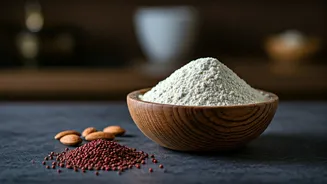
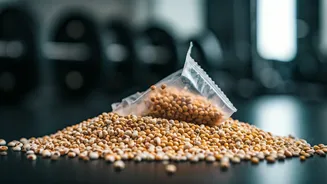
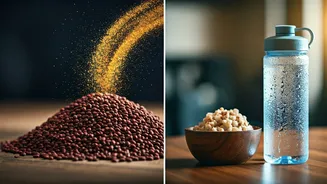
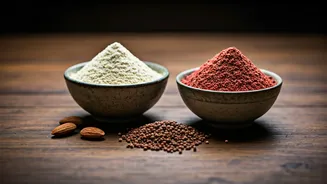
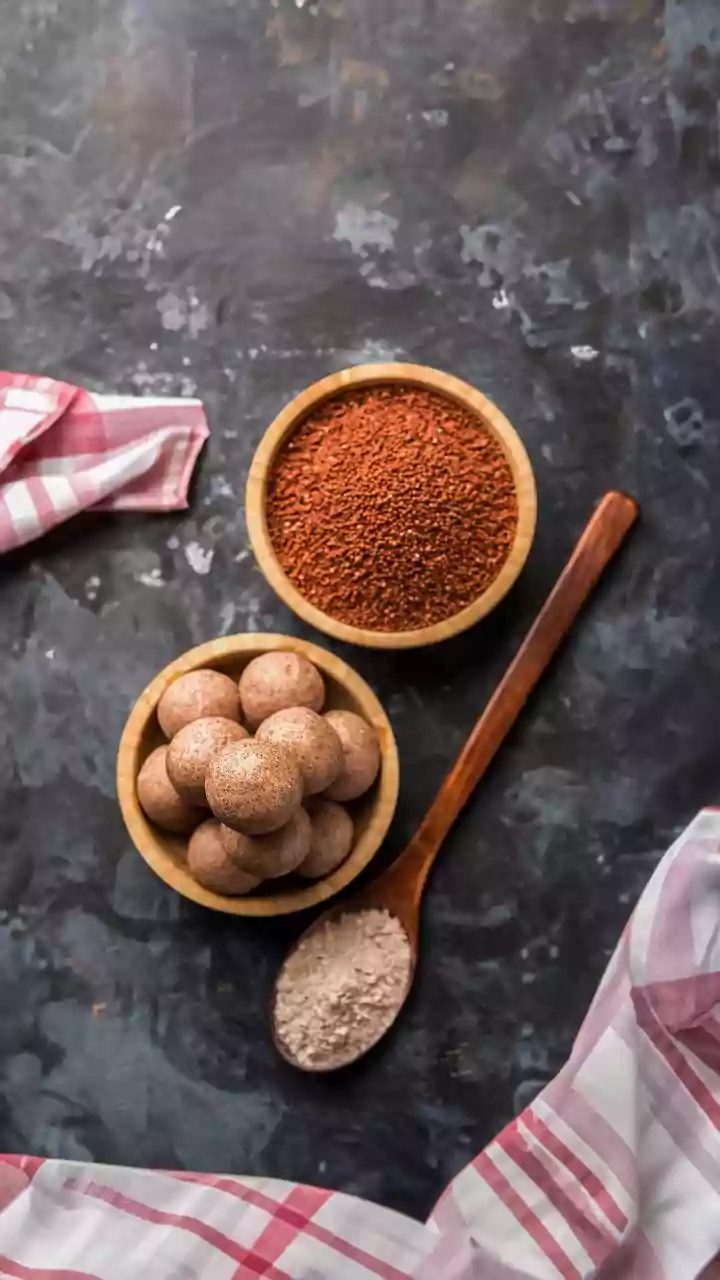
Millet might be the most underrated grain in the American pantry. Often associated with birdseed, this tiny, gluten-free grain is a nutritional giant that has been a staple in diets across Africa and Asia for thousands of years. It’s packed with fiber, protein, and essential minerals like magnesium and phosphorus. Its high fiber content helps stabilize blood sugar, providing sustained energy rather than a quick, fleeting rush. Furthermore, millet is a remarkably sustainable crop. It’s naturally drought-resistant and can grow in poor soil, requiring far fewer resources than corn or wheat. As farmers and food makers look for climate-resilient ingredients, millet is emerging as a star player for a more sustainable food system.
Why Regional Sourcing Matters
Choosing a “regional” bar adds another layer of benefit. When you buy from local or regional producers, you’re not just getting a snack; you’re investing in your local economy. Smaller, regional brands often source their ingredients from nearby farms, shortening the supply chain. This can mean fresher ingredients and a smaller carbon footprint due to reduced transportation. It also fosters a connection between consumers and their food sources. These small-batch makers are often more agile and creative, using seasonal ingredients and responding directly to customer feedback. Supporting them helps create a more diverse, resilient, and interesting food landscape than one dominated by a handful of national corporations.
The Perfect Snack: A Convergence of Trends
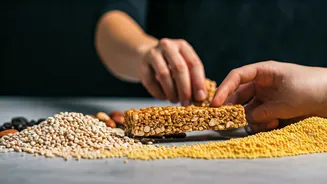
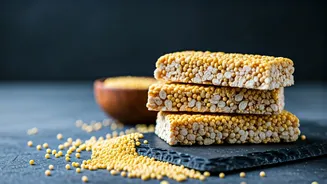
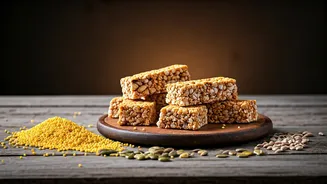
The regional millet bar represents a perfect convergence of these positive trends. It takes the nutritional superiority and sustainability of an ancient grain (millet), combines it with a clean label philosophy of simple, whole ingredients, and delivers it through a local or regional business model. These bars are the antidote to the ultra-processed, mass-produced snack. They offer complex carbohydrates and fiber for lasting energy, protein from nuts and seeds for satiety, and natural sweetness from sources like honey or dates. They are crafted with care, not engineered in a lab, offering a satisfying texture and taste that feels both wholesome and genuinely delicious.