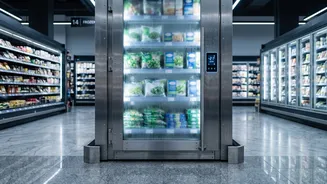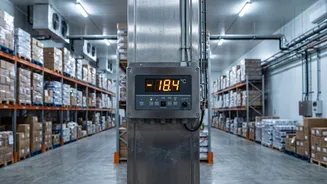







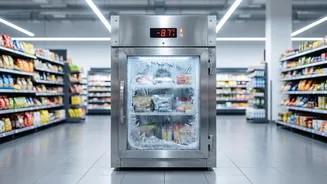
Imagine walking into a grocery store to find the freezer aisle is not just warm, but actively hot. This isn't a malfunction; it's a cyberattack. Recent events across Europe are a stark wake-up call about the hidden risks in our food supply chain.
A Coordinated Digital Meltdown
In early
November 2026, supermarket employees across at least seven European countries arrived to a shocking scene: their refrigerators and freezers were failing. This wasn't a simple power outage. In many cases, the temperatures had been deliberately raised, with some units reaching a staggering 50 degrees Celsius (122 degrees Fahrenheit). The coordinated attack struck dozens of stores from major chains including Carrefour, Spar, Delhaize, and SuperValu in countries like Belgium, Sweden, Ireland, and Finland, forcing them to discard massive quantities of spoiled food. This event was the second major wave of attacks, following a similar incident in October that affected hundreds of stores in France, causing losses estimated in the tens of millions of euros.
How Hackers Turned Freezers into Ovens
The attackers targeted the stores' operational technology (OT)—the digital systems that control physical equipment. Specifically, they exploited vulnerabilities in internet-connected refrigeration controllers. These devices, part of the 'Internet of Things' (IoT), allow for remote monitoring and management. However, this convenience creates risk. Security experts believe the hackers gained access through several common but critical weaknesses: outdated software on older controller models that no longer receive security updates, systems that were left exposed to the public internet, and the use of weak or default factory passwords. Once inside, they didn't just turn the cooling off; they actively manipulated the controls, in some cases forcing the units into a continuous defrost cycle, effectively turning a freezer into a heater.
The Cost of a Compromised Thermostat
The financial fallout from these attacks is immense. One Belgian butcher estimated losing €15,000 worth of meat overnight. When scaled across dozens of supermarkets, the value of discarded frozen goods, dairy, and produce quickly runs into the millions. But the costs extend beyond spoiled inventory. There are expenses for cleanup, labour for restocking, and the high price of cybersecurity investigations and system overhauls. Furthermore, the reputational damage is significant. European Union officials have condemned the incidents as a 'deliberate attempt to disrupt our food supply chain and undermine consumers' confidence in it'.
A Global Wake-Up Call for IoT Security
While these attacks occurred in Europe, the vulnerability they expose is global. Similar incidents have been reported at U.S. military bases, and American federal agencies, including the FBI and CISA, have issued urgent warnings about the ongoing threat to industrial refrigeration systems. The incidents serve as a powerful lesson for all businesses in India and worldwide that rely on connected devices for critical operations, from food and agriculture to healthcare and logistics. Experts stress that these systems are no longer just about operational efficiency; they are a significant security risk. The attacks prove that cybersecurity is no longer confined to protecting data—it is now essential for protecting physical infrastructure and ensuring public safety.