




More Than Just Sweetness
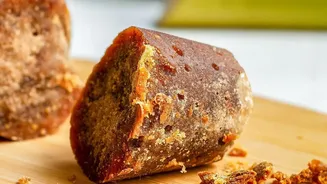
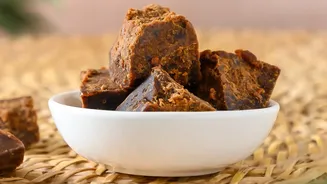
The primary driver behind this shift is a growing consciousness around wellness. Unlike refined white sugar, which offers what many nutritionists call “empty calories,” jaggery comes with a more robust nutritional profile. Because it is unrefined, it retains
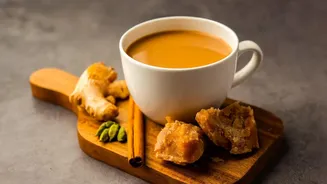
many of the minerals found in sugarcane juice, such as iron, potassium, magnesium, and calcium. Jaggery is a notable plant-based source of iron, which is essential for preventing anemia. This unprocessed sweetener is also packed with antioxidants, which help combat oxidative stress in the body. For centuries, Ayurveda has celebrated jaggery for its health-giving properties, from aiding digestion to boosting immunity. Traditionally consumed after meals, it is believed to activate digestive enzymes and cleanse the body. However, it’s important to remember that jaggery is still a form of sugar and should be consumed in moderation. It has a high glycemic index, meaning it can cause a rapid spike in blood sugar, a consideration for those with diabetes or metabolic conditions.
A Flavour and Texture Upgrade
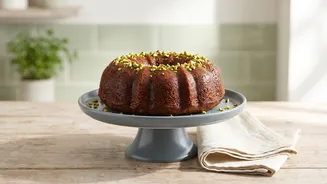
Beyond the health benefits, home bakers are discovering that jaggery offers a significant culinary upgrade. While white sugar provides a straightforward sweet taste, jaggery introduces a complex and deep flavour profile with notes of caramel, molasses, and even a subtle saltiness. This earthy richness can transform a simple recipe into a gourmet creation. The texture of baked goods also changes for the better. Jaggery is naturally hygroscopic, meaning it attracts and retains moisture. This property is a secret weapon for bakers, resulting in cakes and muffins that are wonderfully moist and dense, and cookies that have a uniquely satisfying chewiness that white sugar can't replicate. From a simple tea cake to an elaborate pastry, the switch from sugar to jaggery is not just a substitution; it's an enhancement that adds character and depth to the final product.
Your Guide to Baking with Gur
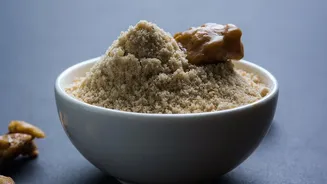
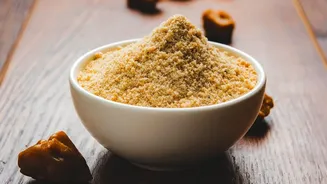
Making the switch to jaggery in your baking is straightforward, but it helps to know a few things. For the best results, especially in cakes and cookies, opt for powdered jaggery. This form integrates more smoothly and evenly into batters and doughs, preventing the gritty texture that can sometimes occur with grated blocks. A common mistake is assuming a direct 1:1 replacement for sugar will work every time. Jaggery can be slightly less sweet than refined sugar, so you may need to use a little more to achieve the same level of sweetness; a common guideline is about 1.25 cups of jaggery for every cup of sugar. Because of jaggery's high moisture content, you might also want to slightly reduce the amount of other liquids in your recipe, like milk or water, by a tablespoon or two to maintain the right consistency. Finally, be prepared for a visual change: jaggery will lend your baked goods a beautiful, rustic golden-brown or dark caramel colour.
From Tea Cakes to Brownies
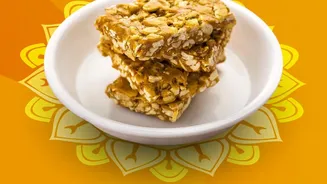
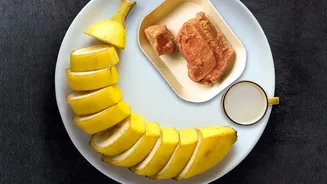
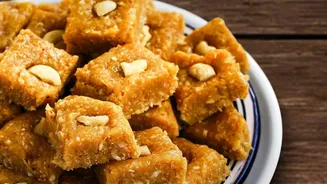
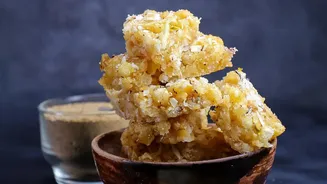
The versatility of jaggery is inspiring a wave of creativity among home bakers. Classic comfort bakes are being reimagined with this wholesome sweetener. Jaggery banana bread has become a popular starting point, where the earthy sweetness of gur perfectly complements the ripe bananas. Similarly, apple pies and fruit tarts gain a new dimension as jaggery melts into a rich, spiced syrup around the fruit. But the trend doesn't stop at rustic classics. Bakers are getting adventurous, creating sophisticated treats like cardamom-spiced shortbread and decadent chocolate brownies sweetened entirely with jaggery. Even traditional Indian sweets are getting a baked twist, with recipes for baked unni appam and pansache dhonas (jackfruit cake) moving from stovetops to ovens. These creations prove that using jaggery isn’t about limitation; it’s about opening up a whole new world of flavour.