


More Than Just Flavour
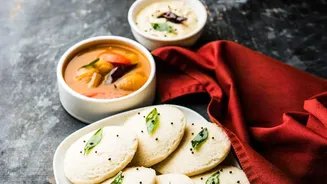
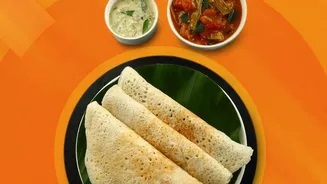
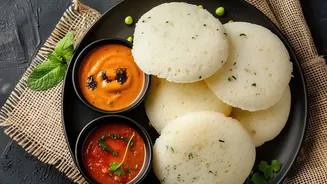
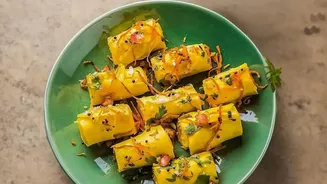
Fermentation, at its heart, is a form of pre-digestion. When we soak and grind grains like rice and legumes like urad dal to make batter for foods such as idli, dosa, and dhokla, we are setting the stage for millions of microorganisms. These friendly
bacteria and yeasts get to work, breaking down the complex components of the grains and legumes long before they reach our stomachs. This process not only creates the characteristic tangy flavour and light texture we love but also transforms the food on a molecular level, making it significantly healthier.
Fighting the 'Anti-Nutrient' Lock
Grains, seeds, and legumes contain a natural compound called phytic acid. Often referred to as an 'anti-nutrient', phytic acid binds itself to essential minerals like iron, zinc, and calcium in the food. This binding action prevents our bodies from absorbing these vital minerals effectively, even when the food itself is rich in them. Fermentation is the key to unlocking this mineral wealth. The microorganisms involved in fermentation produce enzymes, particularly phytase, which systematically break down the phytic acid. As the phytic acid is neutralised, the minerals are released, becoming 'bioavailable' — meaning our bodies can easily absorb and use them.
Boosting Mineral Absorption
The impact of breaking down phytic acid is significant. Studies have shown that fermentation can dramatically increase the bioavailability of crucial minerals. For instance, iron absorption can nearly double when consumed from fermented foods compared to their unfermented counterparts. This is particularly important in diets that rely heavily on plant-based sources for minerals. Zinc absorption also sees a substantial increase. So, when you eat a fermented dosa, you're not just getting the iron and zinc present in the lentils and rice; you're getting it in a form your body can readily use.
A Natural Vitamin Factory
Remarkably, fermentation doesn't just unlock existing nutrients; it also creates new ones. The hardworking microbes synthesize various B vitamins during the fermentation process, including B1 (thiamine), riboflavin, niacin, and even vitamin B12. This is a huge nutritional bonus, as B vitamins are crucial for energy production, brain function, and overall metabolic health. In diets that may be low in other sources of these vitamins, fermented foods like idli and dhokla become an important and natural source of these essential micronutrients.
Improving Digestion and Gut Health
The benefits extend directly to our digestive system. The same process that breaks down anti-nutrients also simplifies complex carbohydrates and proteins, making them much easier to digest. This reduces the chances of bloating and discomfort that can sometimes accompany eating legumes. Furthermore, traditional fermented foods are rich in probiotics — the beneficial live bacteria that support a healthy gut microbiome. A thriving gut microbiome is linked to a stronger immune system, better digestion, and improved overall wellness, turning a simple meal into a powerful tool for supporting your body's internal ecosystem.