





Understanding Festive Special Trains
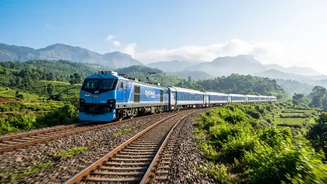
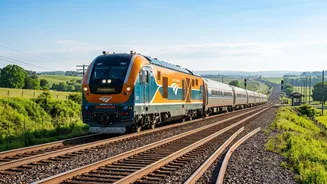
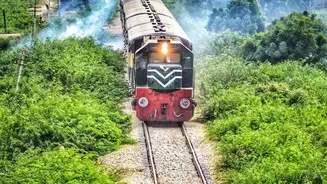
During peak travel periods like Diwali, Chhath Puja, and summer holidays, Indian Railways introduces 'special' trains to accommodate the massive surge in passenger demand. These trains are temporary services added to high-traffic routes connecting major
cities like Delhi, Mumbai, and Bengaluru to states such as Bihar, West Bengal, and Uttar Pradesh. They are not part of the regular, year-round timetable and are announced closer to the festival dates. Most special trains are identifiable by their five-digit number, which typically starts with a '0'. This prefix signifies that it is an unscheduled special service operating for a limited period. These trains are crucial for travellers who find themselves on long waitlists for regular services, offering a vital alternative to reach home for the holidays.
Using IRCTC and NTES to Find Trains
The most reliable way to find these trains is through official Indian Railways channels. The primary platform is the IRCTC website (irctc.co.in) and its official mobile app, 'IRCTC Rail Connect'. When you search for trains between your desired stations for a specific date, any notified special trains will appear in the search results alongside regular services. They are often marked with the word 'Special'. Another indispensable tool is the National Train Enquiry System (NTES), available as both a website and a mobile app. NTES provides real-time information on train schedules, running status, and platform details. You can use NTES to check the specific running days and stoppages for a special train you've found on IRCTC, confirming its schedule before you book. Keeping an eye on the press releases from zonal railways can also provide early information about upcoming special services.
How to Check Seat Capacity
Checking seat availability, or capacity, for special trains is done the same way as for regular trains on the IRCTC platform. After searching for trains on your route, click the 'Check Availability & Fare' tab for a specific special train. The system will display the availability status for the upcoming travel dates for various classes (Sleeper, 3AC, 2AC, etc.). The status will either show 'AVAILABLE' with the number of seats, 'RAC' (Reservation Against Cancellation), or 'WL' (Waitlist) followed by a number. Since these trains are deployed to clear extra rush, they often have good availability when first announced, but seats fill up extremely quickly. It is advisable to check frequently, as Indian Railways may add more coaches or even new trains based on demand.
Understanding 'Special' Fares
One key difference with special trains is their fare structure. These services come with 'special fares', which are higher than those for regular mail or express trains on the same route. The surcharge can be anywhere from 10% to 30% higher than the regular base fare. Some premium special trains may even use a dynamic pricing model, similar to airlines, where fares increase as more seats are booked. When you check the fare on IRCTC, the price displayed is typically the total amount, inclusive of the special surcharge, reservation fee, and any other applicable charges. It's important to note that most concessions, such as those for senior citizens, are usually not applicable on these special fare trains. Always check the final fare details before making a payment.
Tips for Successful Booking
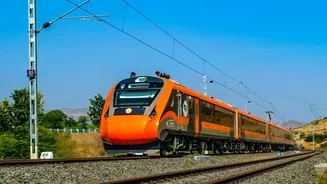
Booking a ticket on a festive special train requires speed and preparation. First, monitor the news and official railway announcements to know when booking will open. Special trains often have a shorter advance reservation period (ARP) than the standard 120 days. Once bookings open, tickets can sell out within minutes. Be logged into your IRCTC account with a pre-saved passenger list to speed up the checkout process. Be flexible with your travel dates if possible; travelling a day or two before the absolute peak day can sometimes increase your chances. If a direct train is full, use the 'Connecting Journey Booking' option on IRCTC to see if a combination of two trains can get you to your destination. Finally, remember that these trains can sometimes experience delays as they may be given lower priority than premium services like Rajdhani or Vande Bharat.