



Embrace Natural Fibres for Texture and Warmth
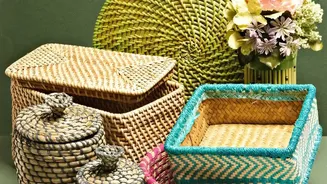
One of the easiest ways to move away from plastic and embrace natural decor is by incorporating items made from jute, bamboo, cane, and sabai grass. These fast-growing, renewable materials are central to Indian craft traditions and are incredibly versatile
for small spaces. Think of handwoven jute rugs to define a seating area, adding texture and warmth underfoot. Storage baskets made from bamboo or cane are perfect for decluttering, stylishly hiding everything from magazines to laundry while doubling as decor. On your walls, consider a woven jute mirror frame or a bamboo lampshade, which casts a soft, diffused glow that makes a room feel cosy and inviting. These items are not just beautiful; their production supports rural artisans and has a minimal environmental footprint compared to mass-produced plastic goods.
The Earthy Elegance of Terracotta and Clay
Terracotta, or 'baked earth', has been a part of Indian homes for centuries for good reason. It's biodegradable, toxin-free, and brings an unmatched rustic charm. For small apartments, terracotta offers numerous plastic-free solutions. Start with planters; their porous nature is excellent for houseplants, helping to prevent overwatering while purifying your indoor air. You can arrange small pots on a windowsill or use a larger one as a statement piece in a corner. Beyond planters, consider terracotta decor accents like hand-painted vases, decorative plates for a gallery wall, or even clay lamps that create a serene, golden ambiance. These pieces add a touch of warmth and are perfect for creating a mindful, peaceful corner in your home.
Functional Art with Wood and Metal
Instead of plastic trinkets, look to handcrafted wooden and metal items that blend utility with artistry. Artisans across India create stunning pieces from sustainably sourced or reclaimed wood. A small, carved wooden bowl can serve as a catch-all on an entryway table, while a set of wooden coasters adds a touch of nature to your coffee table. Similarly, traditional metalwork like brass offers durable and elegant alternatives. A small brass tray can organise items on a shelf, and a beautifully crafted brass diya or figurine can become a focal point, adding character that deepens with age. These items are not disposable; they are timeless investments that elevate your decor while supporting generational craft skills.
Weave Magic with Sustainable Textiles
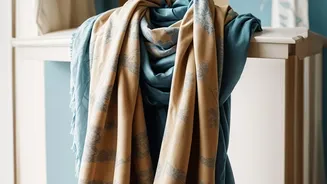
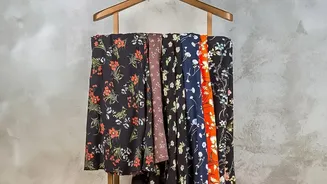
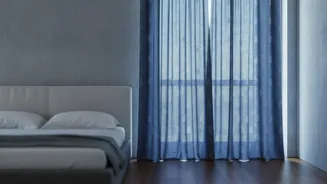
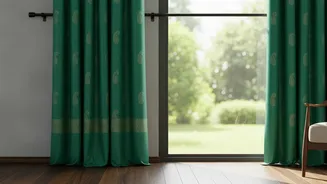
Textiles are a powerful tool for transforming a space without taking up floor area. Swap out synthetic cushion covers, throws, and curtains for those made from natural, handwoven fabrics like khadi, cotton, and linen. India has a rich tradition of block-printing, where artisans use hand-carved wooden blocks and natural dyes to create intricate patterns. A few block-printed cushions on a neutral sofa can instantly add colour and personality. A lightweight cotton throw can add a layer of comfort and style. These textiles are breathable, beautiful, and made with eco-friendly processes that avoid the chemical-heavy production of synthetic fabrics.
Tips for Decorating Small, Eco-Friendly Spaces
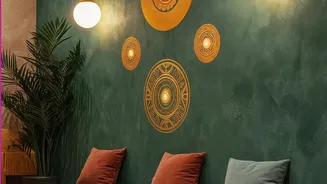
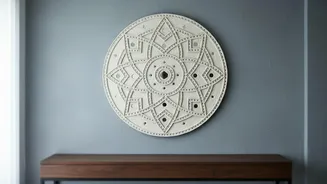
Making handicrafts work in a small apartment is about smart, intentional choices. Prioritise multi-functional items: a jute ottoman can be seating, a footrest, and storage. A beautiful wooden tray can be used for serving or as a decorative base for other items. Use vertical space by hanging textile art or mounting small shelves for clay pots. When styling, remember to give each handcrafted piece some breathing room to let its unique character shine; layering is better than clustering. The goal is to create a space that feels personal and organised, not cluttered. By choosing a few high-quality, meaningful pieces, you can make a big impact in a small home.