




The Perfect Blend of Health and Haste
The primary driver behind the high-protein wrap's popularity is its perfect alignment with two major trends shaping modern India: a heightened focus on health and the relentless need for convenience. As urban lifestyles become more demanding, consumers
are seeking meal solutions that are both quick and nutritious. High-protein wraps fit this need perfectly. They offer a significant protein boost, which is crucial in a country where many diets are traditionally cereal-based and can lack diverse protein sources. This shift is part of a larger movement where consumers are looking for functional foods that support long-term wellness goals without requiring extensive preparation time. The convenience food market in India is booming, with projections showing significant growth as consumers seek this balance.
More Than Just Muscle Fuel
While protein is widely known for muscle repair and growth, its benefits extend far beyond the gym. A key reason for the wrap's success is its ability to promote satiety, or the feeling of fullness. Protein digests more slowly than carbohydrates, which helps regulate appetite, reduce cravings, and prevent the mid-afternoon energy slump often associated with carb-heavy meals. This makes high-protein wraps an effective tool for weight management and sustained energy throughout the day. Furthermore, many commercially available and homemade versions incorporate ingredients like whole grains, flax, or pea protein, adding valuable fibre that aids digestion and helps manage blood sugar levels.
A Canvas for Every Palate
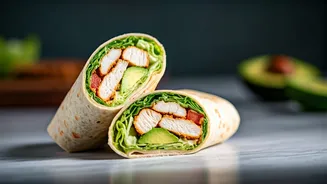
Versatility is a major part of the appeal. A high-protein wrap is essentially a blank canvas, adaptable to any meal and dietary preference. For breakfast, it can be filled with scrambled eggs or paneer bhurji. For lunch or dinner, the options are endless, from classic grilled chicken and hummus to innovative plant-based fillings like spiced chickpeas or tofu. This customisability resonates strongly with Indian consumers, who can easily adapt wraps to include familiar flavours and spices. The market has responded with an explosion of choice, including wraps made from chickpea flour, spinach, and flaxseed, catering to gluten-free, grain-free, and vegan diets.
The Rise of Plant-Based and DIY Options
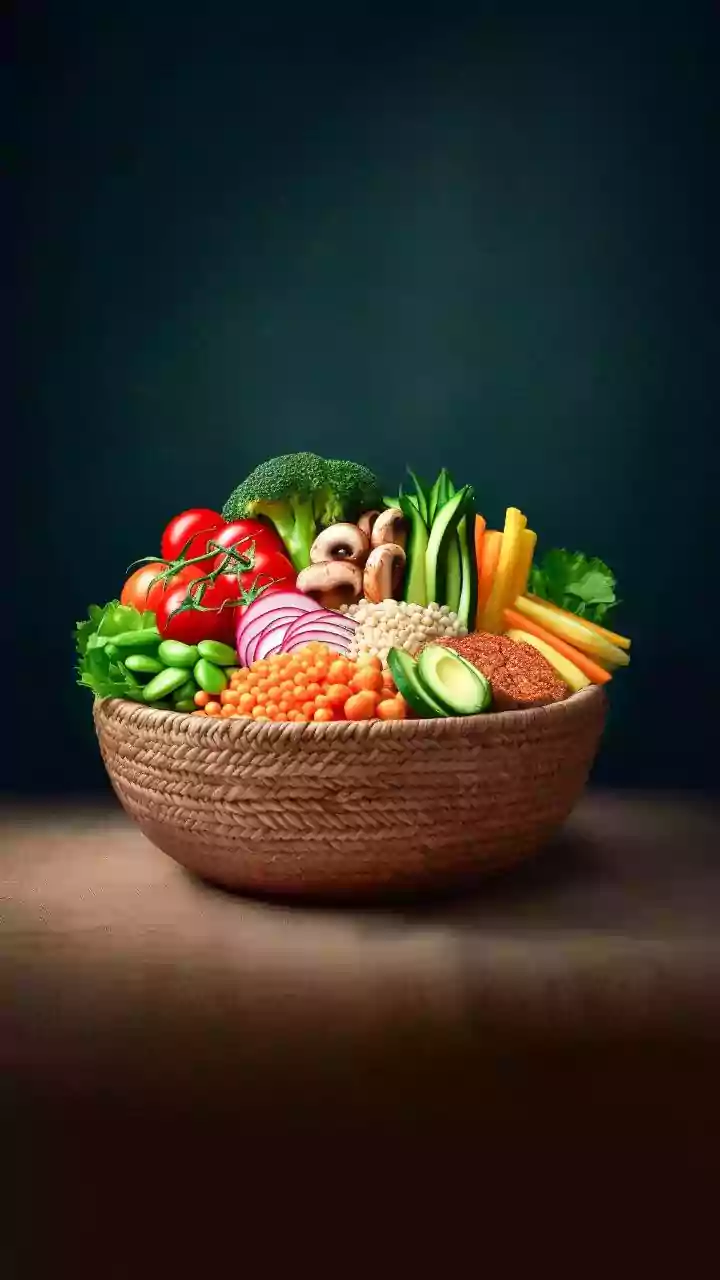
The trend is not just being driven by non-vegetarians. With a growing interest in plant-based diets, wraps have become a popular vehicle for vegetarian and vegan protein sources. Fillings like beans, lentils, tofu, and paneer are becoming increasingly common. The base of the wrap itself is also evolving. Homemade versions using ingredients like chickpea flour (besan), flaxseed, or even blended cottage cheese and eggs are gaining traction, allowing people to control the nutritional content completely. This DIY approach reflects a broader trend of consumers becoming more educated about ingredients and actively participating in creating healthier versions of their favourite foods.
How to Choose a Smarter Wrap
With so many options on the market, reading the label is key. A good high-protein wrap should ideally offer a substantial amount of protein, often between 10 to 20 grams per serving. Look for wraps made from whole grains or alternative flours for a higher fibre content. It's also wise to check the sodium levels, as some packaged varieties can be high in salt. When filling your wrap, focus on lean proteins, plenty of fresh vegetables for crunch and nutrients, and healthy fats from sources like avocado or a light yogurt-based spread instead of heavy, creamy sauces. This ensures the final meal is balanced and truly nutritious.