


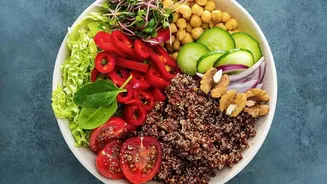


What is Fibre-First Eating?
A fibre-first approach is less of a restrictive diet and more of a strategic way of eating. It means consciously prioritising fibre-rich foods in your meals. Some interpret this as literally eating the fibrous components of your meal first—like a salad
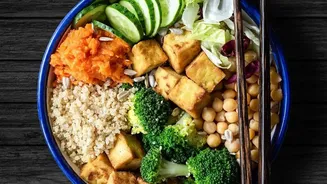
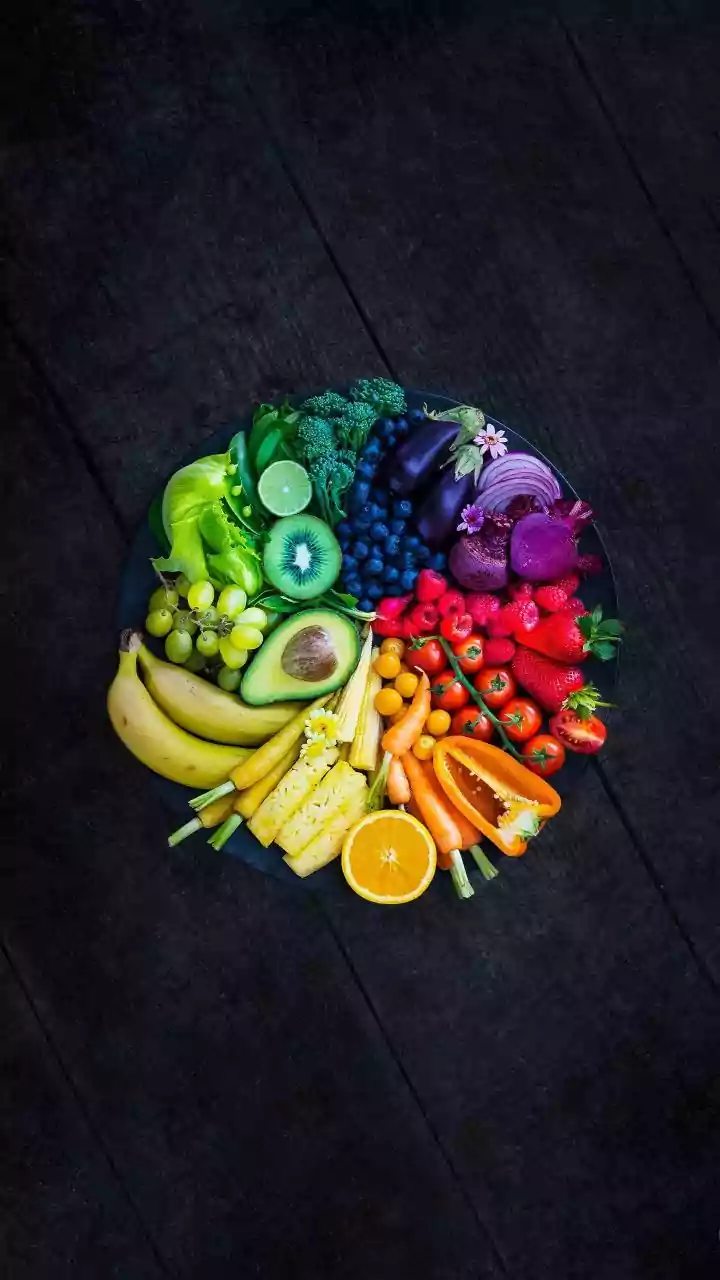
or vegetable starter—to help control blood sugar. Others view it more broadly as building your entire plate around high-fibre ingredients. The core idea is to ensure that fibre, a type of carbohydrate the body can't digest, is a foundational part of your diet, not an afterthought. The recommended daily intake for adults is around 25 to 38 grams, but most people fall significantly short of this goal. A fibre-first mindset aims to close that gap by making foods like vegetables, fruits, whole grains, beans, and nuts the stars of your meals.
The Science Behind the Shift
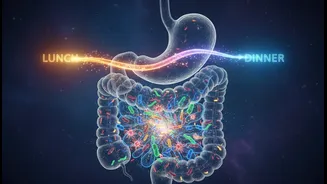
The growing emphasis on fibre is strongly linked to our expanding knowledge of the gut microbiome. Dietary fibre acts as fuel for the beneficial bacteria in your gut. When these microbes ferment soluble fibre, they produce compounds like short-chain fatty acids, which have a wide range of health benefits, including reducing inflammation. This shift is about seeing fibre not just as 'roughage' but as a crucial prebiotic that cultivates a healthy internal ecosystem. Beyond the gut, fibre has a powerful effect on metabolic health. Soluble fibre, which dissolves in water to form a gel-like substance, slows down digestion. This process helps prevent sharp spikes in blood sugar after a meal, making it beneficial for energy levels and diabetes management. It also binds with cholesterol in the digestive system, helping to lower levels of 'bad' LDL cholesterol and supporting heart health.
Benefits Beyond the Obvious
While improved digestion and regularity are well-known benefits, the advantages of a high-fibre diet extend much further. One of the most practical benefits is weight management. High-fibre foods tend to be more filling and take longer to chew and digest, which helps you feel satisfied with smaller portions and can prevent overeating. Research also increasingly links high-fibre diets to a lower risk of several chronic diseases, including heart disease, type 2 diabetes, and certain types of cancer, particularly colorectal cancer. By feeding healthy gut bacteria and managing blood sugar and cholesterol, fibre plays a comprehensive role in long-term health, making it one of the most effective tools for disease prevention.
Simple Ways to Put Fibre First
Adopting a fibre-first approach doesn't require a complete diet overhaul. Small, consistent changes can make a big difference. Start by swapping refined grains for whole grains—think brown rice instead of white, and whole-wheat bread or pasta. Begin your day with a high-fibre breakfast like oatmeal topped with berries and seeds. Incorporate legumes like beans, lentils, and chickpeas into your weekly meals; they are fibre powerhouses that can be added to soups, salads, and curries. Make vegetables the largest portion on your plate at lunch and dinner. For snacks, reach for fruits with edible skins (like apples and pears), a handful of nuts, or raw vegetables. Remember to increase your fibre intake gradually and drink plenty of water to help your digestive system adjust.
Understanding Different Fibre Types
Not all fibre is created equal, and both major types are important for health. Soluble fibre, found in oats, beans, apples, and carrots, dissolves in water to form a gel. It's particularly effective for lowering cholesterol and stabilising blood sugar. Insoluble fibre, found in whole grains and vegetables like cauliflower and green beans, does not dissolve in water. It adds bulk to stool and helps food pass more quickly through the digestive system, promoting regularity. Most plant-based foods contain a mix of both types, so the best strategy is to eat a wide variety of fibre-rich foods to ensure you're reaping all the benefits.