





Prepare Your Vehicle Before the First Downpour
A car that runs perfectly in summer can falter during the monsoon. Moisture and rain stress a vehicle's core systems. Before the season begins, focus on three critical areas: tyres, brakes, and wipers. Tyres are your only contact with the road, and their
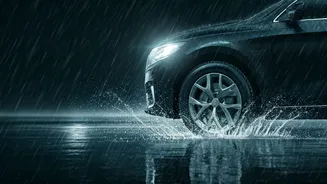
ability to channel water away is crucial for maintaining grip. Ensure your tyres have adequate tread depth—at least 2-3 mm—and are inflated to the manufacturer's recommended pressure. Worn tyres significantly increase the risk of aquaplaning, where the car effectively surfs on a layer of water, leading to a complete loss of control. Brakes also need inspection. Wet roads can increase braking distances by up to 50%, so your brake pads and fluid must be in optimal condition. Finally, replace hardened or cracked wiper blades that streak or judder across the glass. Clear visibility isn't a luxury; it's a necessity in a heavy downpour.
Mastering Grip on Slippery Roads
The key to driving on wet roads is smoothness and moderation. Reduce your speed significantly; a good rule of thumb is to drive at least one-third slower than you would in dry conditions. Abrupt actions like sudden braking, sharp steering, or hard acceleration can easily unsettle the car and cause a skid. Increase your following distance to at least double what you would normally keep. This gives you more time and space to react if the vehicle ahead stops suddenly. Wet roads dramatically reduce friction, meaning it takes longer to stop. Be especially cautious during the first rains of the season, as the water mixes with oil and dust on the road to create a dangerously slick film. Always use your low-beam headlights, even during the day, to improve your visibility and ensure other drivers can see you.
Navigating the Waterlogging Menace
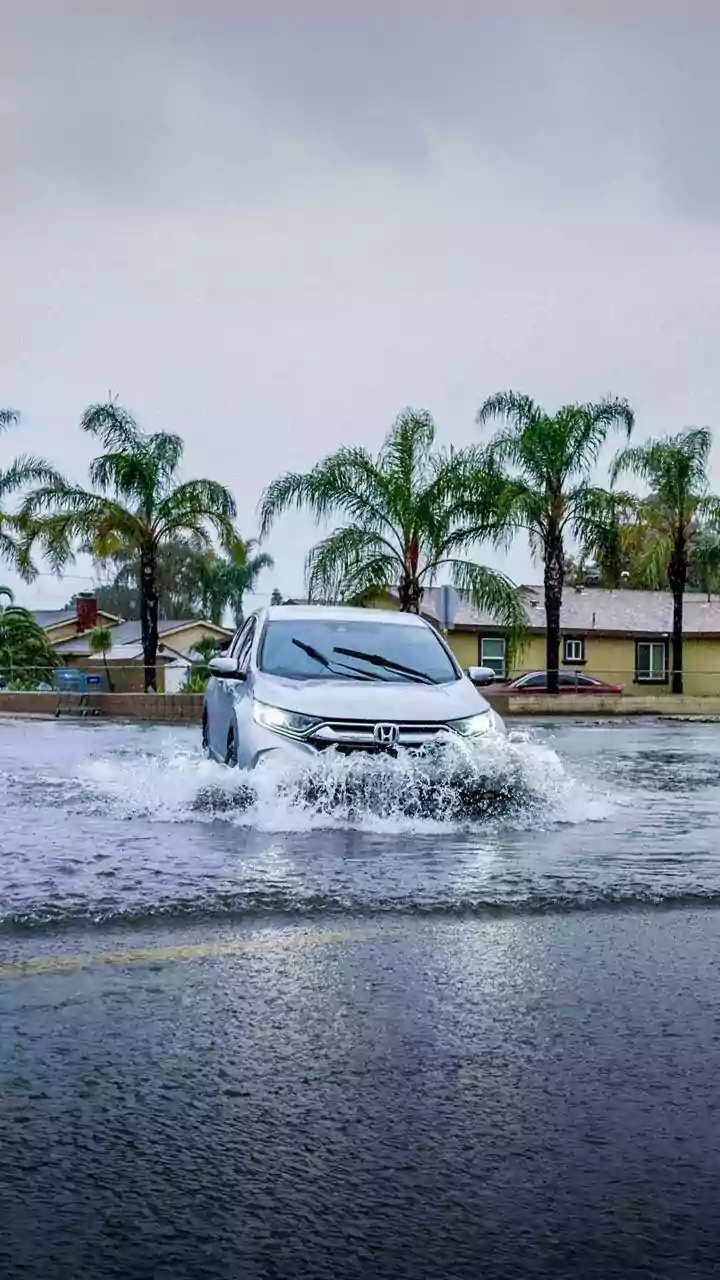
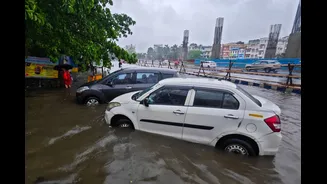
Waterlogged streets are an unavoidable hazard in many Indian cities. The golden rule is to avoid driving through standing water if you cannot gauge its depth. Water that seems shallow can easily conceal deep potholes, open manholes, or debris. As little as six inches of water can be enough to stall some cars, and a foot of moving water can float a vehicle. If you must proceed, drive slowly and steadily in a low gear to keep the engine revs high, preventing water from entering the exhaust pipe. Try to stay in the centre of the road, where the water is often shallowest. After passing through water, gently tap your brakes a few times to dry them out and ensure they are working effectively. If your car stalls in water, do not attempt to restart the engine, as this can draw water in and cause catastrophic damage.
Ensuring Maximum Visibility at All Times
In a downpour, seeing and being seen are paramount. Before you drive, ensure all your lights—headlights, taillights, brake lights, and indicators—are clean and functional. Malfunctioning lights make your vehicle nearly invisible to others in heavy rain. Inside the car, fogged-up windows can be just as dangerous. Use your car's air conditioner or defogger to clear condensation from the windshield and windows quickly. Wiping the inside of the glass with a cloth can leave streaks that impair vision, especially at night. Applying a rain-repellent treatment to the exterior of the windshield can also make a significant difference, causing water to bead up and roll off, improving clarity. Lastly, be mindful of the spray thrown up by larger vehicles like buses and trucks, which can momentarily blind you.
The Most Important Tool: Patience
Ultimately, monsoon driving is a mental game. Traffic will move slower, jams will be more frequent, and journeys will take longer. Accepting this reality is the first step toward a safer drive. Rushing, weaving through traffic, or aggressive driving in wet conditions is a recipe for disaster. Be considerate to two-wheelers and pedestrians, who are more vulnerable in the rain and harder to spot. Plan your journeys to allow for extra time, and if the rain becomes too heavy and visibility drops to near zero, the safest action is to pull over to a safe location, away from moving traffic, and wait for conditions to improve. Keep an emergency kit with a towel, umbrella, and a phone charger, as you may find yourself waiting for a while.