



As cooler weather arrives, balcony gardeners face a key decision: which pots will best protect their plants? Many believe traditional clay is the superior choice for insulation, but the truth about how pots perform in the cold is more complex.
The Great Pot Debate: Clay vs. Plastic
Walk through
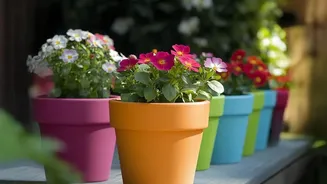
any garden centre and you’ll see the two main contenders for your balcony plants: classic, earthy terracotta (clay) pots and lightweight, colourful plastic ones. For many, the choice is simply about aesthetics or cost. Plastic is often cheaper and comes in a vast array of styles, while clay offers a timeless, rustic charm. However, the material you choose has a significant impact on your plant's health, affecting everything from soil moisture to root temperature. Understanding these differences is the first step toward becoming a more intuitive and successful container gardener, especially when your balcony is exposed to the elements.
The Insulation Question
The headline claim is that clay improves soil insulation in cold weather. While the thick walls of a clay pot do act as a buffer against rapid temperature changes, the idea that they are superior insulators to plastic in freezing conditions is a common misconception. The core issue is porosity. Unglazed terracotta is like a sponge; it absorbs water. When temperatures drop below freezing, that trapped water expands as it turns to ice, which can exert enough force to crack the pot. Furthermore, damp clay is not an effective insulator. Plastic pots, being non-porous, do not absorb water and therefore do not face the same risk of cracking from absorbed moisture. While their thin walls offer less of a buffer from sudden temperature swings on their own, they provide more consistent protection from the ground freeze and don't become compromised by moisture.
Breathability and Root Health
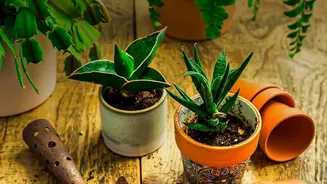
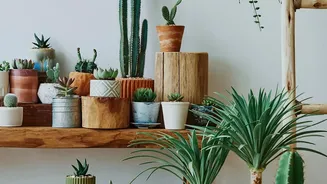
Where unglazed clay pots truly shine is in their breathability. The porous nature of terracotta allows air and moisture to pass through the walls of the pot. This airflow is incredibly beneficial for plant roots, preventing the soil from becoming waterlogged and reducing the risk of root rot, one of the most common killers of potted plants. This makes clay pots an excellent choice for plants that prefer drier conditions, such as succulents, cacti, and many herbs. In contrast, plastic pots are non-porous, trapping moisture within the soil. This can be an advantage for water-loving plants like ferns, but it also creates a higher risk of overwatering if you tend to be heavy-handed with the watering can.
Watering and Your Lifestyle
The breathability of clay directly impacts your watering routine. Because moisture evaporates through the pot's walls, soil in a terracotta pot dries out much faster. This is forgiving for those who overwater, but it means plants need more frequent attention, especially on warm or windy days. A useful trick is to observe the pot itself; it will appear darker when the soil is damp and lighten in colour as it dries. Plastic pots, on the other hand, retain moisture for much longer. This makes them ideal for gardeners who are busy, travel often, or are simply a bit forgetful about watering. The choice here is less about which is 'better' and more about which aligns with your personal habits and your plants' specific needs.
Durability and Winter Woes
When it comes to winter durability, the materials have different weaknesses. As mentioned, standard terracotta pots are highly susceptible to cracking in freeze–thaw cycles if they are damp. Higher–quality, high–fired or glazed pots are more frost–resistant but come at a higher cost. Plastic pots don't crack from freezing moisture, but the plastic can become brittle in the cold and may fade or crack over time due to UV exposure from the sun. For balcony gardeners in regions with harsh winters, neither material is indestructible, and both benefit from protective measures.
Protecting Your Balcony Garden in Winter
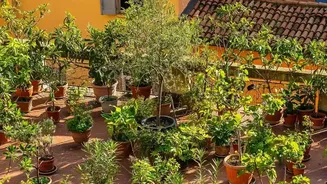
Regardless of pot type, winterizing is key to survival. The best insulation for your plant's roots comes from proactive protection. Grouping pots together creates a shared microclimate, reducing the exposed surface area of each pot. For extra protection, you can wrap pots in materials like bubble wrap or burlap, which insulate the root ball from harsh winds and freezing temperatures. Elevating pots on 'pot feet' or bricks is also crucial, as it prevents water from pooling and freezing the pot to the ground, which improves drainage and reduces the risk of cracking. Finally, adding a layer of mulch on top of the soil can help regulate temperature and moisture.