


The Sea of Milk: Dudhsagar Falls, Goa
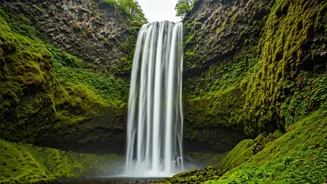
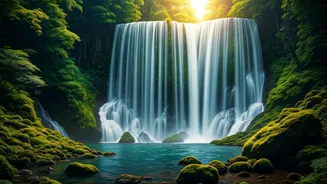
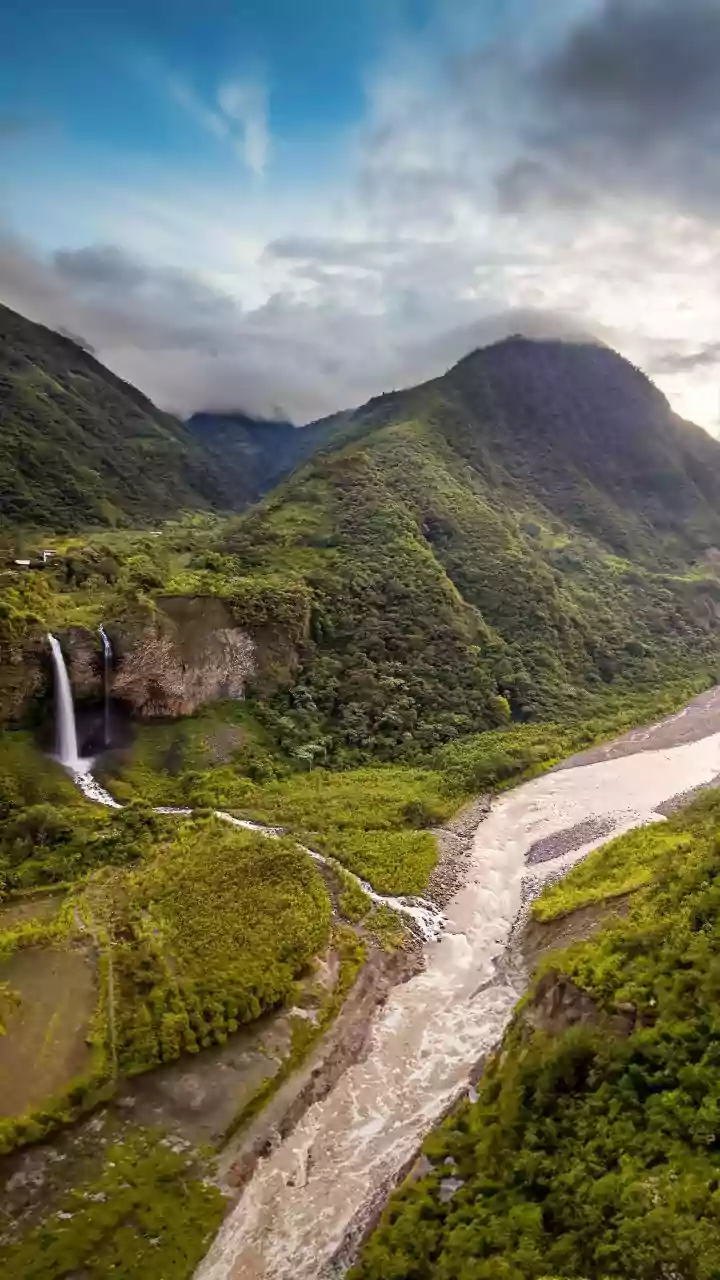
Straddling the border of Goa and Karnataka, Dudhsagar Falls is a four-tiered spectacle that truly lives up to its name, which translates to 'Sea of Milk'. During and after the monsoon, the Mandovi River cascades down a staggering 310 metres, creating
a powerful, milky-white torrent that seems to erupt from the lush Western Ghats. The journey itself is part of the challenge; reaching the falls often involves a thrilling jeep safari through the Bhagwan Mahaveer Sanctuary and Mollem National Park, followed by a short trek. The roar of the water is deafening, and the spray can be felt from a distance, making it an immersive, multi-sensory experience. A railway bridge cutting across the falls adds a dramatic, picture-perfect element that has made it famous across the country. For the full experience, plan your visit between October and May, when the flow is mighty but access is more reliable.
The Plunging Giant: Nohkalikai Falls, Meghalaya
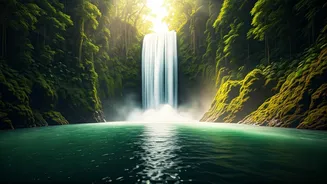
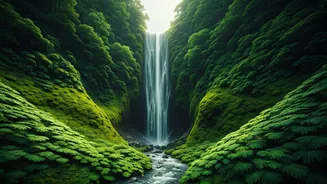
Meghalaya, the 'Abode of Clouds', is home to some of India's most stunning waterfalls, and Nohkalikai is its crown jewel. As India's tallest plunge waterfall, it drops from a height of 340 metres into a pristine, turquoise-green pool below. Located near Cherrapunji, one of the wettest places on Earth, Nohkalikai is fed by rainwater collected on the plateau above, ensuring a powerful flow, especially from September to November. The viewpoint offers a jaw-dropping panorama of the falls against the backdrop of verdant cliffs. While the local Khasi legend behind its name is a tragic one, the sheer beauty and scale of the falls are awe-inspiring. Getting here requires a drive through the misty hills of the Khasi region, which is an adventure in itself. This isn't a waterfall you swim under, but one you witness in respectful silence, humbled by its sheer vertical drop and raw natural power.
The Niagara of India: Athirappilly Falls, Kerala
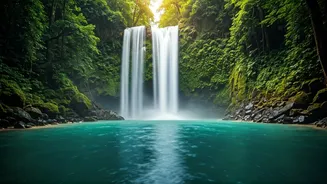
Often called 'The Niagara of India', Athirappilly Falls in Kerala is a testament to the power of the Chalakudy River. Located on the edge of the Sholayar forest ranges, this 80-foot-high, 330-foot-wide cascade is a magnificent sight, especially during the monsoon season from June to October. It's not just one stream but a massive curtain of water that thunders down over the rocks. What makes Athirappilly a worthy challenge is its accessibility from multiple angles. You can view it from the top, where the river gathers its strength before the plunge, or you can take a 15-minute trek down a paved path to the bottom. From below, you are enveloped in a cloud of mist, feeling the vibrations of the water hitting the rocks. It’s a popular filming location for a reason—its grandeur is cinematic. The surrounding area is a biodiversity hotspot, so keep an eye out for the unique local wildlife.
The King of Cascades: Jog Falls, Karnataka
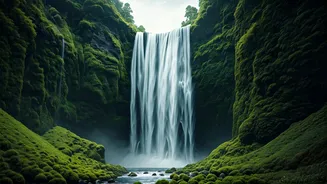
When it comes to sheer post-monsoon drama, few can compete with Jog Falls in Karnataka. Created by the Sharavathi River, it is India’s second-highest plunge waterfall. What makes it unique is that it’s not a single cascade but a combination of four distinct ones: Raja, Rani, Roarer, and Rocket. During the peak season (August to December), these four streams combine into a single, breathtaking wall of water, dropping 253 metres into the valley below. The government has built excellent viewing platforms, including the main viewpoint and the nearby Watkins Platform, which offer stunning, unobstructed views. For the more adventurous, a challenging descent of over 1,400 steps takes you to the base of the falls. The climb back up is strenuous, but the reward of seeing this natural wonder from up close is worth every step. It’s a classic destination that remains a fundamental part of any Indian waterfall challenge.