



The Secret to Intense Lemon Flavour
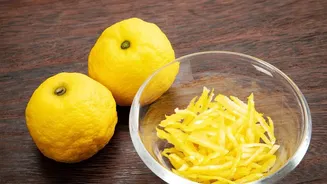
The key to a cake that screams 'lemon' isn't just the juice; it's the zest. The yellow outer peel of a lemon contains aromatic oils that provide a deep, fragrant citrus flavour without adding excess liquid that can alter your cake's texture. Freshly squeezed
juice, on the other hand, provides the signature tartness and acidity. For the most robust flavour, use both. A pro tip is to rub the lemon zest into the granulated sugar with your fingertips before you start creaming it with butter. This simple step releases the oils from the zest, infusing the sugar and distributing that vibrant lemon essence throughout the entire batter. Always opt for fresh lemon juice over bottled, as the latter can have a dull or chemical taste.
Achieving the Perfect Moist Crumb
The texture of a lemon cake should be tender and moist, not dry or dense. Several factors contribute to this. Using room temperature ingredients, especially butter and eggs, is crucial. Cold ingredients don't combine properly, which can lead to a greasy or uneven cake. Many recipes call for buttermilk or sour cream; their acidity helps create a softer, more delicate crumb by weakening gluten development. Cake flour, which has a lower protein content than all-purpose flour, can also contribute to a lighter, more tender result. Finally, be careful not to overmix the batter once the flour is added. Mixing just until the ingredients are combined prevents the development of too much gluten, which can make a cake tough.
Common Mistakes and How to Avoid Them
Even seasoned bakers can run into trouble. One of the most common issues is a dry cake, which is often caused by overbaking. Start checking your cake for doneness a few minutes before the recipe suggests; a toothpick inserted into the center should come out with a few moist crumbs, not completely clean. Another pitfall is a sunken center, which can happen if you open the oven door too early or if your leavening agents are off-balance. A cake with a weak lemon flavour is also a frequent complaint. This usually happens when relying solely on juice. Always include plenty of zest to ensure a powerful citrus aroma and taste. Lastly, adding too much lemon juice in an attempt to boost flavour can make the cake overly sour and dense by upsetting the batter's chemical balance.
The Finishing Touch: Glaze vs. Frosting
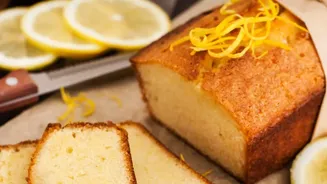
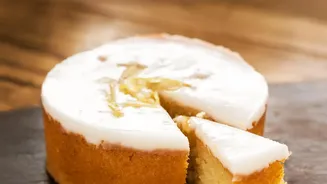
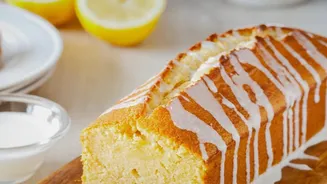
The right topping can turn a good lemon cake into a great one. The choice between a glaze and a frosting often depends on the cake's density. A simple lemon glaze, typically made from powdered sugar and fresh lemon juice, is perfect for denser cakes like a pound or loaf cake. You can pour it over the cake while it's still warm, allowing the syrup to soak in and add extra moisture and flavour. For a fluffier layer cake, a lemon cream cheese frosting or a classic buttercream provides a richer, more decadent finish. A frosting enriched with lemon zest and a little juice will complement the cake without being overwhelmingly sweet, providing a tangy counterpoint to the soft crumb beneath.