





What Exactly Is Kombucha?
At its heart, kombucha is a fermented tea. The magic happens thanks to a SCOBY, which stands for Symbiotic Culture of Bacteria and Yeast. This rubbery, pancake-like disc is added to sweetened black or green tea and left to ferment for a week or two. During
this time, the SCOBY consumes most of the sugar, transforming the tea into a tangy, slightly effervescent beverage packed with probiotics, organic acids, and antioxidants. Think of it as a healthier, more complex cousin to your favourite fizzy drink. While it has ancient roots, its modern revival is tied to a growing global interest in gut health and fermented foods, a concept long familiar in many Indian households through staples like curd, dosa batter, and pickles.
The Wellness Factor: More Than Just a Fad
The primary draw of kombucha lies in its potential health benefits, mainly attributed to the probiotics generated during fermentation. These beneficial bacteria can help improve digestion, balance your gut microbiome, and support your immune system. Many drinkers report feeling more energised and experiencing better gut health. However, it's important to approach these claims with a balanced view. While kombucha can be a healthy addition to your diet, it's not a miracle cure. Most commercial brands can also be high in sugar, which is why home-brewing is becoming so popular—it gives you complete control over the ingredients and sugar content, ensuring a genuinely healthy final product.
Why the Jasmine Infusion Works Wonders
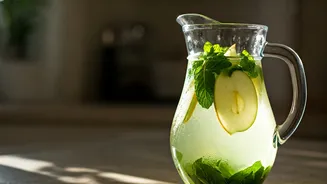
While you can flavour kombucha with almost any fruit or herb, jasmine offers a uniquely elegant and refreshing profile perfect for summer. The delicate, floral aroma of jasmine beautifully cuts through the natural tartness of the fermented tea, creating a sophisticated and aromatic drink. In India, where jasmine (or 'mogra') is cherished for its fragrance, this infusion feels both exotic and deeply familiar. The process involves a 'second fermentation'—after the initial brew is ready, you add jasmine flowers (fresh or dried) and let it sit for another day or two. This not only infuses the flavour but also builds up natural carbonation, resulting in that satisfying fizz.
Getting Started with Your First Brew
The idea of brewing your own kombucha might seem intimidating, but the process is surprisingly simple. Your most crucial ingredient is the SCOBY, which you can get from a friend who already brews, or purchase from online wellness stores in India. Here’s a simplified breakdown: 1. **Brew the Tea:** Start by brewing a large batch of strong, sweet black or green tea. Let it cool completely. 2. **Add the SCOBY:** Pour the cooled tea into a large glass jar. Gently add your SCOBY along with some 'starter tea' (kombucha from a previous batch). 3. **First Fermentation:** Cover the jar with a cloth and let it sit in a warm, dark place for 7-14 days. You can taste it periodically until it reaches your desired level of tanginess. 4. **Second Fermentation (Flavouring):** Remove the SCOBY. Pour the kombucha into airtight bottles, add your jasmine flowers and a tiny bit of sugar to help it carbonate. Seal and leave for 1-3 days before refrigerating to stop the fermentation. Your bubbly, floral brew is now ready!
A Trend Redefining the Modern Kitchen
The rise of home-brewed kombucha is about more than just a drink. It taps into a larger cultural shift towards mindful consumption and hands-on food preparation. In an age of instant gratification, the slow, deliberate process of fermentation offers a rewarding counterpoint. It’s a hobby that connects you to your food, encourages experimentation with flavours, and fills your kitchen with the quiet, satisfying magic of transformation. It represents a move away from mass-produced products and towards creating something natural, healthy, and uniquely your own—a perfect expression of the modern, health-conscious Indian kitchen.