



Understand the 'Heavy' Factor
Before you can lighten the look, it helps to know what makes vintage wood pieces feel 'heavy'. It often comes down to three things: dark stains, substantial size, and ornate details. A large mahogany armoire or a dining table with thick, carved legs carries
more visual weight than a lighter pine piece. These items can dominate a room if not handled with care, making the space feel smaller and more formal than intended. The goal isn't to get rid of these beautiful, well-crafted pieces but to counterbalance their inherent heft with lighter, more modern elements. Recognizing the visual weight of your furniture is the first step in creating a balanced interior.
Embrace the Power of Contrast
The magic of mixing styles lies in contrast. Pairing the rich, often complex details of vintage wood with the simplicity of modern design creates a dynamic and interesting space. Modern design often emphasizes 'clean lines'—simple, uncomplicated silhouettes and geometric forms with minimal ornamentation. Think of a sleek, minimalist sofa, a simple metal-frame coffee table, or angular light fixtures. When placed near a substantial antique, these clean-lined pieces provide visual breathing room. This deliberate juxtaposition allows each piece to be appreciated for its unique qualities—the craftsmanship of the old and the simplicity of the new.
Use a Guiding Style Ratio
To avoid a chaotic look, it's helpful to follow a guiding principle like the 80/20 rule. This means one style should dominate the room (about 80%) while the other serves as an accent (20%). For a space that feels fresh and current, let modern be your 80%. This could mean neutral wall colours, a contemporary sofa, and simple flooring. Then, let your vintage wood pieces be the 20%—a stunning armoire as a focal point, a pair of antique nightstands, or a rustic trunk used as a coffee table. This ensures the vintage items act as characterful highlights rather than overwhelming the entire room.
Lighten Up with Colour and Neutrals
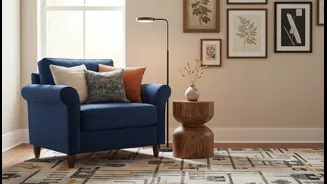
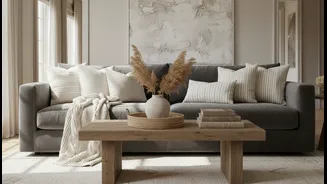
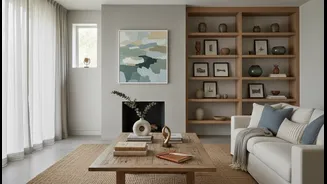
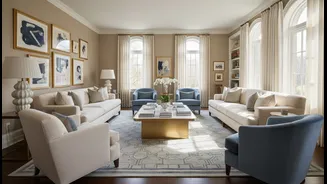
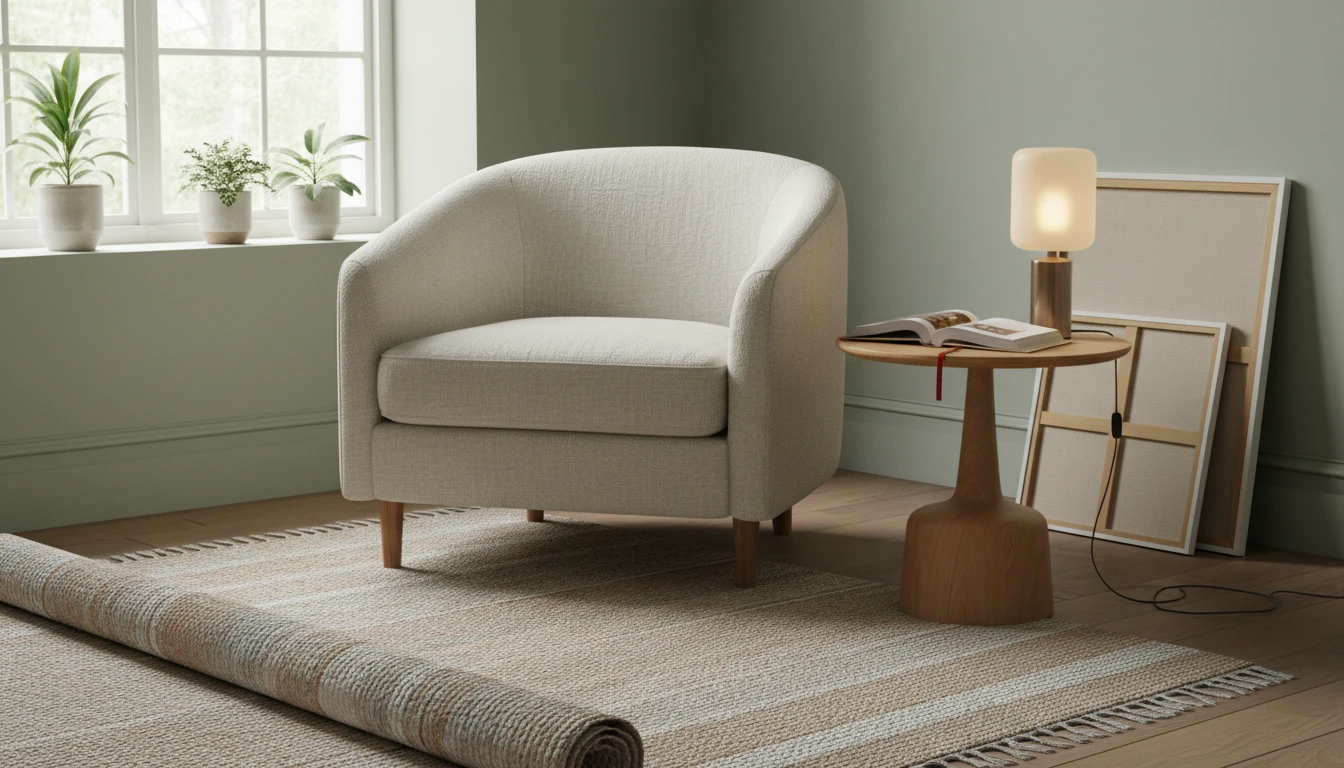
Colour is a powerful tool for balancing dark wood. A neutral foundation of soft whites, light greys, or earthy beiges on the walls creates a blank canvas that makes heavy furniture feel less imposing. These light, airy backdrops reflect natural light and prevent the room from feeling closed in. You can also use textiles to bridge the gap. A light-coloured rug placed under a dark dining table can define the space and break up the wood tones. Similarly, light-coloured cushions on a vintage wood chair or a modern, colourful piece of art hung above a dark sideboard can add a much-needed lift.
Unify with Repeating Elements
A cohesive look often comes from finding common ground between different pieces. This 'common thread' can be colour, material, or even shape. For instance, if you have a dark wood vintage dresser, you could use modern accessories with black metal finishes—like picture frames or a lamp—to create a subtle link. This repetition helps the eye connect the different styles, making the mix feel intentional rather than accidental. Repeating a specific wood tone in at least two places, even if one piece is vintage and the other is modern, can also create a sense of rhythm and harmony.
Accessorise with Modern Touches
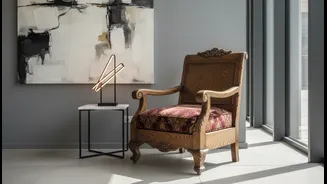
The final layer of styling is often what brings a room together. To keep a vintage-heavy room from feeling like a museum, accessorise with contemporary items. Place a modern, sculptural vase on an antique console table. Hang a large, abstract piece of art above a traditional wooden mantelpiece. Mix in sleek metallic and glass objects, which reflect light and contrast beautifully with the matte, warm texture of old wood. Modern lighting, such as a minimalist floor lamp or a sleek pendant light, can also instantly update the feel of a room and highlight your cherished vintage pieces in a fresh way.