




A small bedroom can feel like a challenge, often becoming a battleground between comfort and clutter. But a serene, visually spacious room is achievable without knocking down walls. It's all about smart arrangement and clever design choices.
Start With The Layout
Before you
move a single thing, plan your layout. The largest item in the room is your bed, so its placement is critical. Pushing it into a corner can open up a significant amount of floor space, making the room feel instantly bigger. However, if you have the width, placing the bed against the longest wall can create a sense of balance. The goal is to establish a clear main pathway. Ensure you can walk from the door to the closet and around the bed without obstruction. Avoid placing large furniture in front of windows, as blocking natural light can make a room feel smaller.
Choose Smart, Multi-Functional Furniture
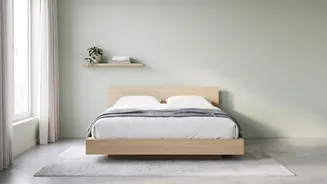
In a small room, every piece of furniture must earn its footprint. Opt for pieces that serve more than one purpose. A bed with hydraulic lift storage or built-in drawers underneath is a game-changer, providing a home for off-season clothing, bedding, and luggage without taking up extra floor space. A storage ottoman can double as a bench and a place to hide extra blankets. Instead of a bulky nightstand, consider a slim, wall-mounted floating shelf, which keeps the floor visible and makes the area feel more open.
Go Vertical: Use Your Walls
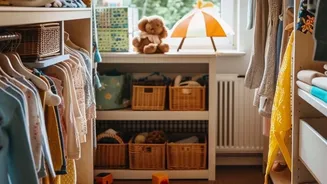
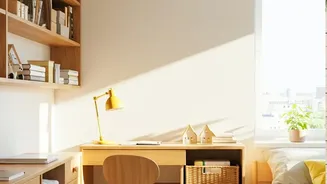
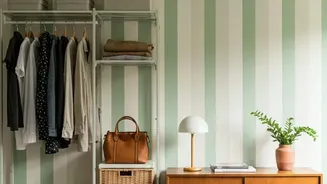
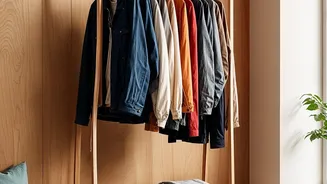
When floor space is limited, your walls are your best asset for storage and decor. Install floor-to-ceiling wardrobes to maximize storage capacity in the same footprint. Adding loft storage above the wardrobe is perfect for items you don't use daily. Use floating shelves for books and decor to draw the eye upward, creating an illusion of height. This strategy keeps the floor clear, which is crucial for making a room feel larger.
The Magic of Mirrors
Mirrors are the oldest trick in the book for a reason: they work. A large mirror can make a room feel twice its size by creating an illusion of depth. The most effective placement is opposite a window, where it can capture and reflect natural light, making the entire room brighter and feel more open. Mirrored closet doors are another excellent option, as they serve a functional purpose while visually expanding the space. Even a large, floor-length mirror simply leaning against a wall can make the ceiling feel higher.
Layer Your Lighting
A single, harsh overhead light can create shadows in the corners, which makes a room feel smaller and flatter. Instead, use a layered lighting strategy. Combine your ambient ceiling light with task lighting, like a bedside reading lamp, and accent lighting. Wall-mounted sconces are a fantastic choice for small bedrooms as they free up space on your bedside table. Good lighting adds depth and warmth, ensuring no corner is left in the dark and the entire room feels inviting.
Stick to a Light and Cohesive Colour Palette
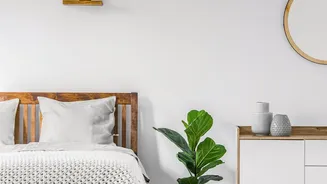
Colour has a profound impact on how we perceive a space. Light and neutral colours—like soft whites, pale greys, and muted pastels—reflect more light and make a room feel airy and expansive. For the strongest effect, consider 'colour drenching,' where the walls, trim, and even the ceiling are painted in the same or very similar light shades. This blurs the boundaries of the room, tricking the eye into seeing a larger, more seamless space. Keep patterns minimal to avoid visual noise.
Declutter Ruthlessly and Consistently
Visual clutter is the enemy of a spacious -feeling room. It’s caused by having too many items on display, from excessive decorative pillows to stacks of books and exposed cables. Start by clearing all surfaces, keeping only a few meaningful decorative items. Everything should have a 'home' that is out of sight, preferably in closed storage like drawers or cabinets. Most importantly, get everything off the floor. A clear floor has more visual impact than almost any other change you can make. Adopt a habit of tidying up for a few minutes each day to prevent the clutter from creeping back in.