

Perfecting the Kofta Ball
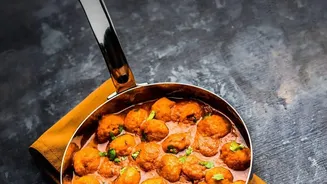
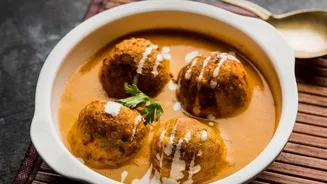
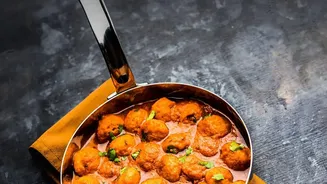
The heart of the dish is the kofta itself, a delicate dumpling of paneer and potato. The first secret to a soft kofta is managing moisture. Potatoes should be boiled until just fork-tender and allowed to cool completely before being grated. Overcooked
or water-logged potatoes will require more binding flour, leading to dense, heavy koftas. Similarly, your paneer should be fresh and well-drained. If it seems too wet, you can grate it and let it sit uncovered in the fridge to dry out slightly. A small amount of cornstarch or all-purpose flour is used to bind the mixture, but use a light hand; too much will ruin the texture. Finally, the mixture should be kneaded well to form a smooth, non-sticky dough before being shaped.
The Art of Frying
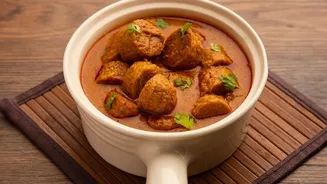
How you fry the kofta is just as important as how you make it. The key is oil temperature. The oil must be hot enough when you add the koftas. If the oil is too cool, the koftas will absorb too much oil or, worse, disintegrate in the pan. If it’s too hot, the outside will burn before the inside is cooked. The ideal temperature is a medium heat. A good practice is to fry a single test kofta first to see if it holds its shape. If it breaks apart, you may need to add a little more cornstarch to your mixture. Fry only a few koftas at a time to avoid overcrowding the pan and lowering the oil temperature. When they are a beautiful, even golden-brown, remove them with a slotted spoon and set them aside.
Building a Silky Gravy
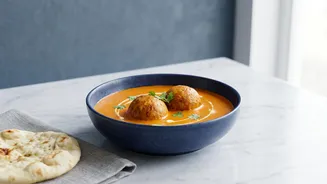
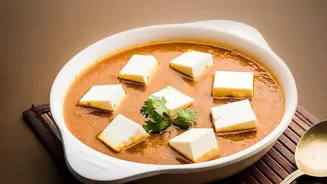
The 'malai' in Malai Kofta refers to the creaminess of its gravy. Restaurant-style versions achieve this luxurious texture through a multi-step process. The base is typically made from onions, tomatoes, ginger, garlic, and, crucially, cashews. These ingredients are often sautéed and then simmered in water until soft. This cooked mixture is then cooled and blended into a very fine puree. For an exceptionally smooth, velvety sauce, many chefs strain the puree through a fine-mesh sieve to remove any remaining fibrous bits of onion or spices. This extra step is the secret to that truly professional, silky finish.
Balancing Richness and Flavor
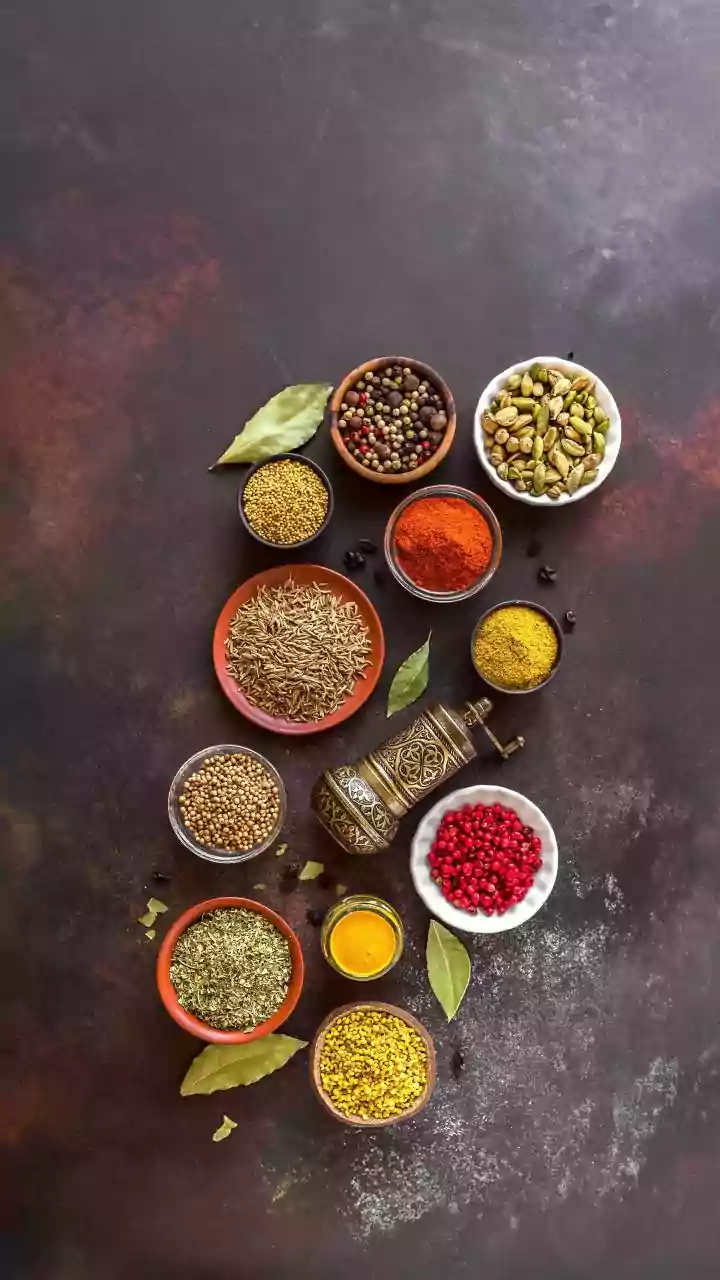
While the gravy is rich, it should be delicately spiced, not overwhelmingly hot. The creaminess comes from the cashew paste and a final addition of fresh cream. The cream should be stirred in towards the end of the cooking process to prevent it from splitting. Flavor is built with aromatic whole spices like cardamom and cloves at the beginning, and powdered spices like coriander and a hint of turmeric. A touch of sugar is often added to balance the acidity of the tomatoes, and the gravy is finished with a sprinkle of garam masala and crushed kasuri methi (dried fenugreek leaves), which provides a signature aroma.
The Final Assembly
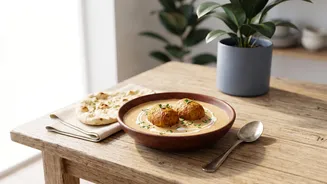
One of the most common mistakes is adding the koftas to the gravy too early. The delicate dumplings are like sponges and will soak up all the liquid and become mushy if left to sit for too long. The best practice is to bring the gravy to a gentle simmer just before you are ready to serve. Add the fried koftas to the hot gravy, let them cook for just 30 seconds to a minute to warm through, and then serve immediately. Garnish with a final drizzle of cream and a scattering of fresh coriander to complete this truly majestic dish.