





Beyond the Checklist
For decades, tourism in India for many has meant a frantic dash through the Golden Triangle or ticking off the most famous beaches of Goa. This model, often called mass tourism, can lead to overcrowded sites, strained local resources, and a travel experience
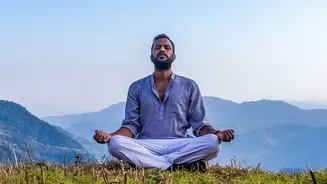
that feels more like a transaction than a journey. Visitors leave with photos but little sense of the place itself. In response, a quieter, more conscious style of travel is gaining ground: immersive stays in the small towns and villages that form the true fabric of India. This isn't just about avoiding crowds; it's about changing the goal of travel from seeing to experiencing.
What 'Immersive' Really Means
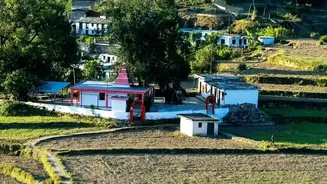
An immersive stay goes far beyond just booking a room in a rural area. It means actively participating in the rhythm of local life. Imagine waking up in a traditional Kumaoni stone house in Uttarakhand, spending the day learning about organic farming before a trek through an oak forest. Or picture yourself in Maheshwar, trying your hand at a 1,500-year-old weaving tradition that was once on the brink of extinction. In Kerala's backwaters, it could mean staying on a family farm, learning to cook with freshly harvested produce, or paddling through quiet canals. These experiences, often facilitated by community-owned guesthouses and homestays, are designed for depth, not distance, transforming tourists into temporary residents.
The Power of Community-Based Tourism
This model of travel is a powerful engine for local empowerment. Known as community-based tourism (CBT), it ensures that revenue stays within the community, providing sustainable income and diversifying local economies beyond agriculture. When you stay in a village homestay, take a cooking class from a local, or buy crafts directly from an artisan, the economic benefits are direct and tangible. This approach gives communities ownership over their narrative and resources, turning them into hosts and architects of their tourism story rather than just subjects in it. In places like Khonoma in Nagaland, India's first 'green village', tourism has even incentivized conservation, leading the community to ban hunting to protect the local ecosystem.
A Journey of Connection
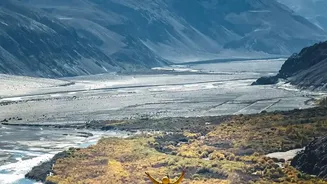
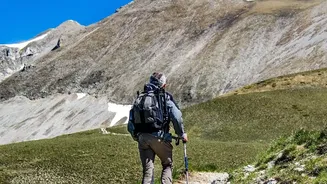
For the traveler, the rewards are less tangible but far more profound. Instead of the fleeting high of seeing a famous monument, the prize is genuine human connection. It's found in sharing stories with a Bishnoi family in Rajasthan known for their deep respect for nature, or learning about the unique traditions of the Lachenpas community in a Sikkimese homestay. This 'slow travel' philosophy encourages a deeper engagement with a place, fostering understanding and empathy. It swaps the anxiety of a packed schedule for the simple joy of watching life unfold, whether it's observing weavers in Kutch, taking a long walk through a Himalayan village, or enjoying freshly brewed tea on a plantation in Assam.
Finding Your Authentic Stay
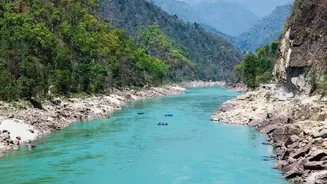
From the tribal villages of Koraput in Odisha to the serene riverside hamlets of the Tirthan Valley in Himachal Pradesh, opportunities for immersive travel are blossoming across India. Organizations are now curating experiences that connect travelers with rural communities in states like Uttarakhand, Karnataka, and Madhya Pradesh. In places like Mawlynnong in Meghalaya, recognized as one of Asia's cleanest villages, tourism is built entirely around community-led eco-friendly practices. These are not destinations you rush through. They are places that invite you to slow down, participate, and leave with more than just souvenirs—you leave with a story and a connection.