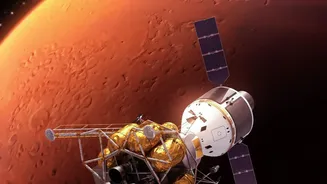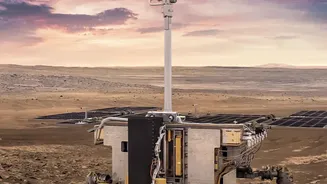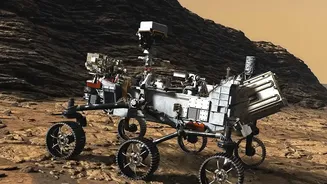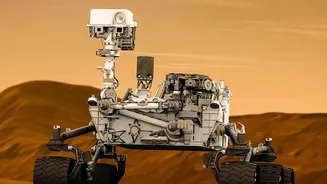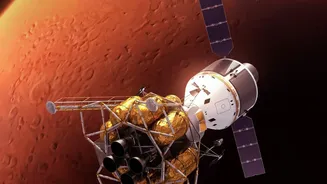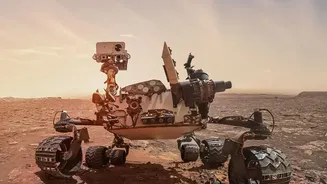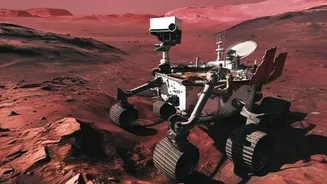

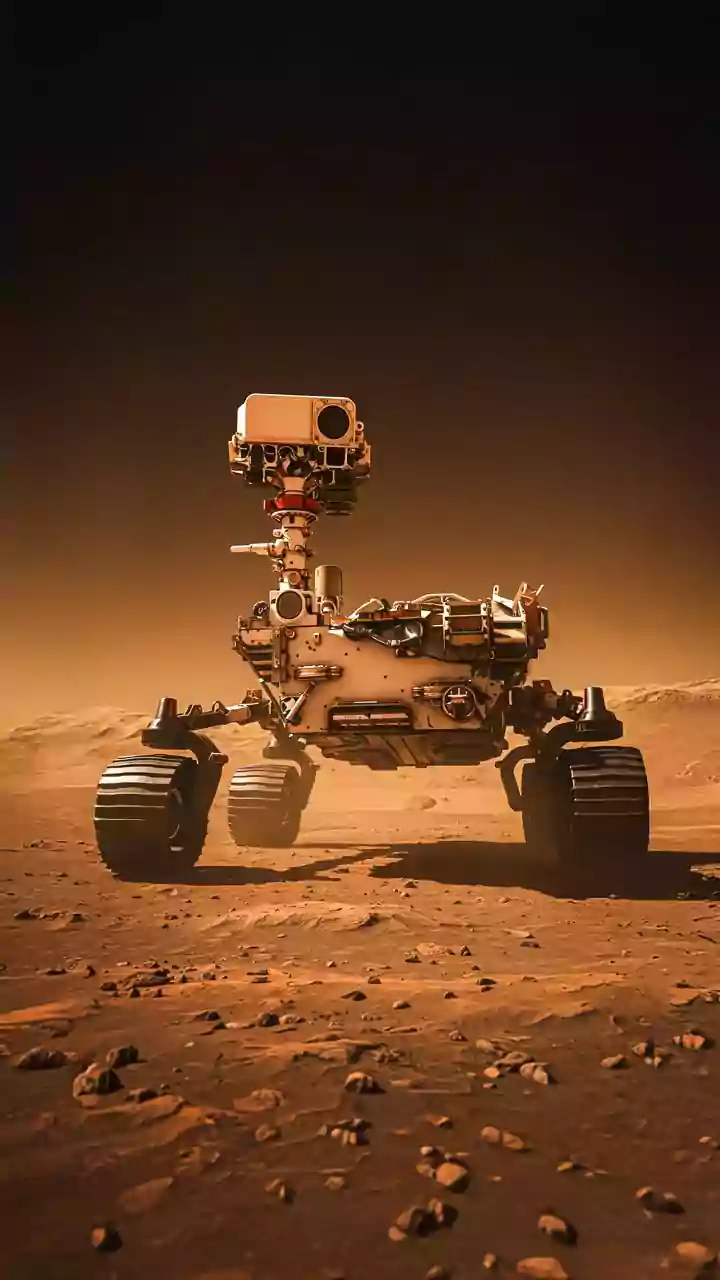
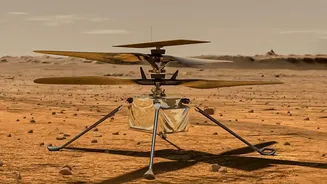
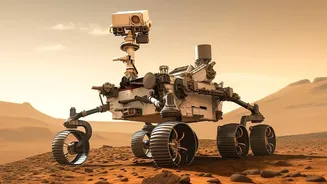
It is one of the most audacious goals in the history of space exploration: bringing pieces of Mars back to Earth. After a major rethink, NASA is now charting a new course for its Mars Sample Return mission, aiming for a leaner, faster plan.
A Mission of Immense Ambition
For years,
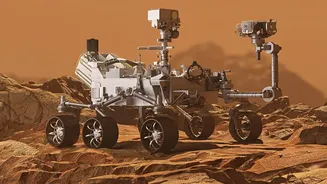
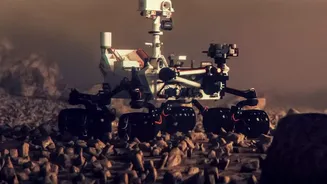
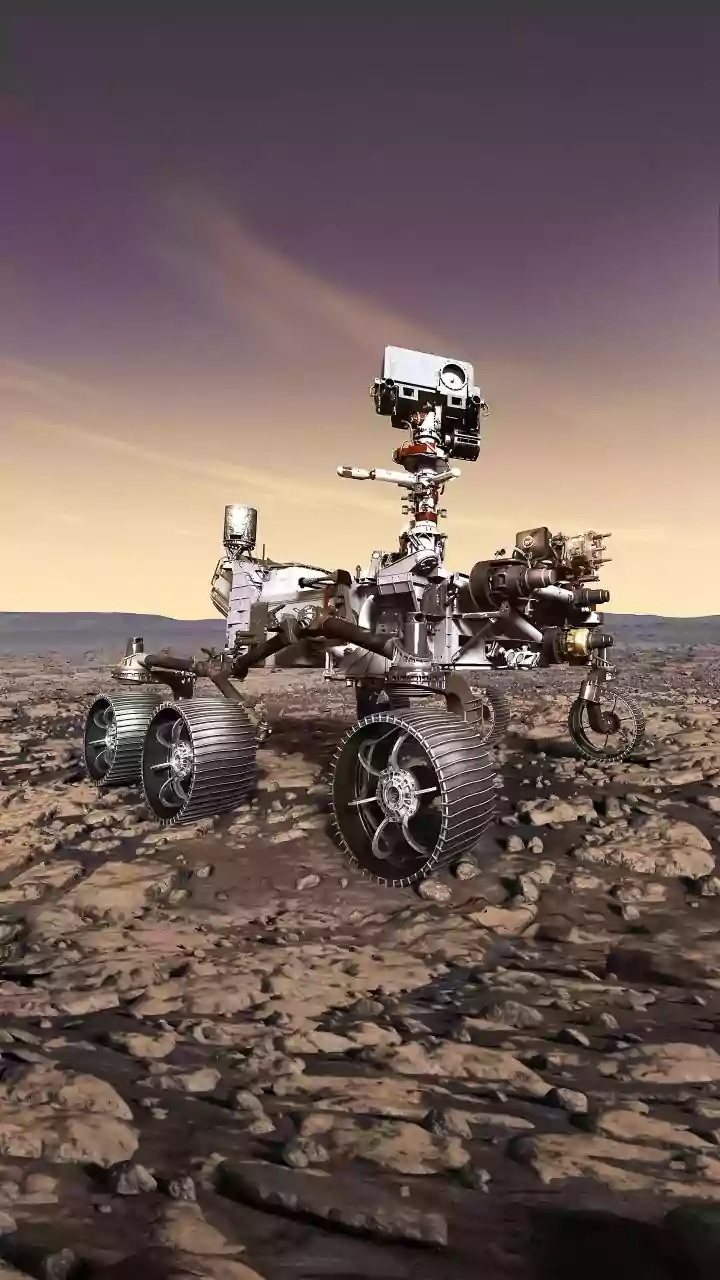
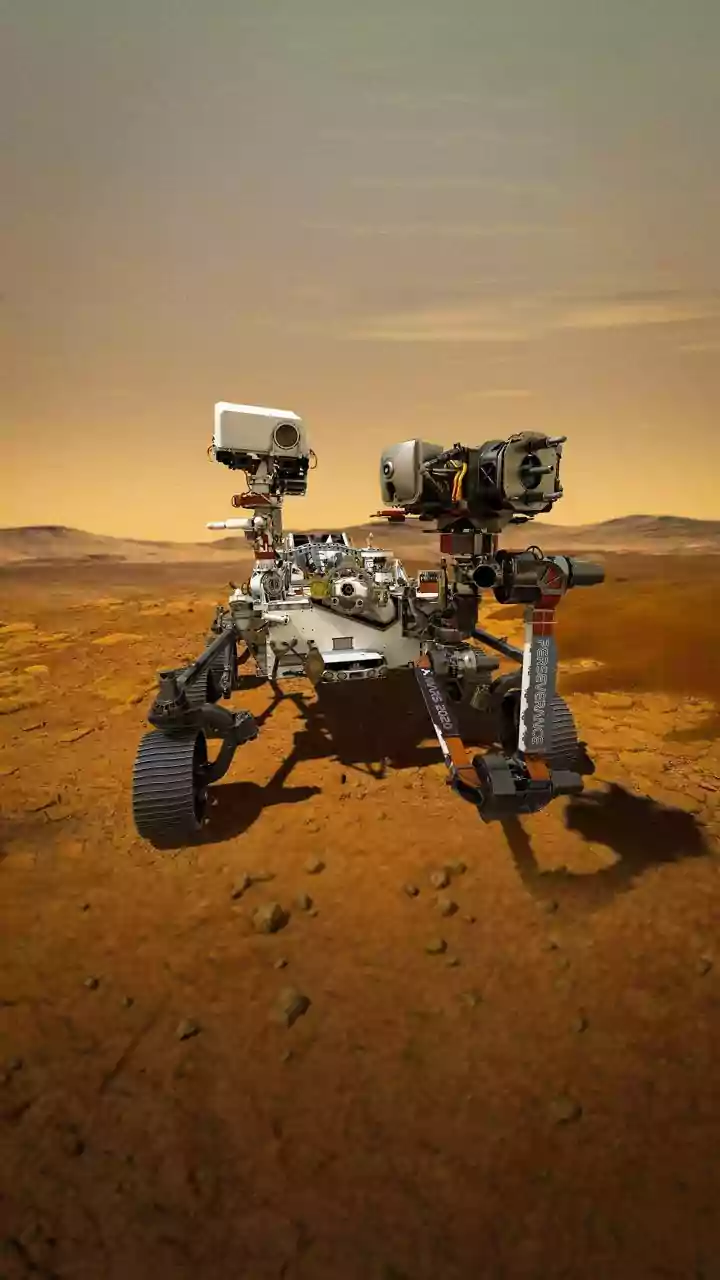
the Mars Sample Return (MSR) mission has been the holy grail for planetary scientists. Since 2021, the Perseverance rover has been drilling into the rock of Jezero Crater—an ancient, dried-up lakebed—and caching samples in small, sterile titanium tubes. Scientists believe these samples could hold the key to one of humanity's biggest questions: did life ever exist on Mars? The original plan, a collaboration between NASA and the European Space Agency (ESA), was a complex, multi-part relay race involving a new lander, a fetch rover, and a small rocket to launch the samples into Martian orbit, where another spacecraft would capture them for the long journey home. This would allow for analysis in advanced labs on Earth, far beyond the capabilities of any rover.
Hitting the Brakes on an $11 Billion Plan
The mission's complexity came with a staggering price tag. An independent review in 2023 found the mission's cost was ballooning towards an estimated $11 billion, with the samples not expected to reach Earth until 2040. This timeline and budget were deemed 'unacceptable' by NASA leadership and members of Congress, who threatened to pull funding. The review highlighted an unrealistic schedule, complex technical requirements, and management issues. In early 2025, the original MSR mission was effectively cancelled, sending NASA back to the drawing board and leaving dozens of priceless samples collected by Perseverance waiting on the Martian surface.
A New, Slimmer Blueprint
In November 2026, NASA announced a fresh start. The agency is forming a new internal strategy team, dubbed the Perseverance Sample Retrieval Architecture (PSRA) team, which will kick off in January 2027. Its year-long task is to develop a more streamlined and affordable approach. The core idea is to re-evaluate every aspect of the mission, from its requirements to its partnerships. NASA is now actively exploring what 'evolving industry capabilities' could mean for the mission, opening the door to greater involvement from commercial space companies. The new plan aims to reduce the mission's complexity, potentially by simplifying the architecture and leveraging new technologies to bring costs down and accelerate the timeline for a return in the 2030s.
Why the Martian Rocks Matter
Despite the challenges, the scientific drive to retrieve these samples remains incredibly high. While we have studied meteorites from Mars that have landed on Earth, their exact origin on the planet is unknown, and they've been altered by their fiery journey through our atmosphere. The samples collected by Perseverance come from a specific, well-documented location chosen for its high potential to preserve signs of ancient microbial life. Bringing these pristine samples to Earth would allow scientists from multiple disciplines to use state-of-the-art equipment to search for biosignatures, determine the precise age of Martian geological features, and unlock the history of the Red Planet's climate. The insights gained would be a 'gift that keeps on giving', available for study by future generations with even more advanced technology.
The Road Ahead
With the new PSRA team set to begin its work, the next year will be critical in defining the future of Mars exploration. The team's final recommendations are expected by the end of 2027. This new approach signals a shift for NASA, moving from a bespoke, agency-led plan to one that considers a wider range of partners and commercial services. While the path forward is still being charted, the commitment to the ultimate goal appears firm. The race is also on, as China is moving forward with its own Tianwen-3 sample return mission, planned for a 2028 launch. For NASA, the challenge is now to prove that a faster, cheaper mission can still deliver the groundbreaking science that has been promised for decades.