


Banana Peels: A Potassium Powerhouse
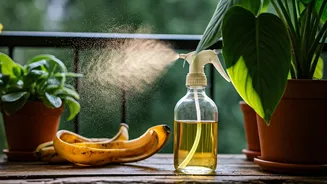
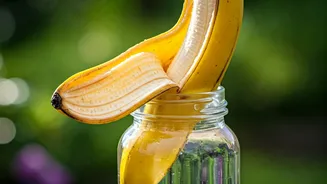
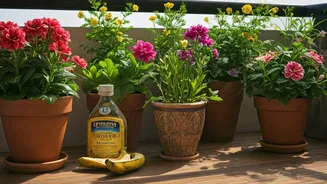
Don't toss that banana peel! It’s a goldmine of potassium, a crucial nutrient that plants need for overall vigour and, most importantly for your balcony display, for developing strong flowers and fruits. Potassium helps regulate a plant’s water intake
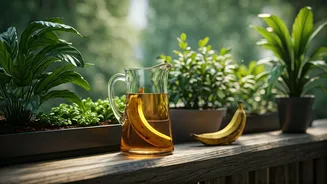
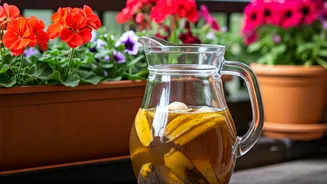
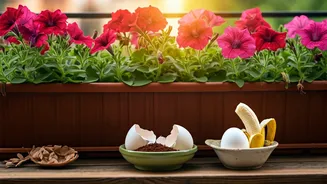
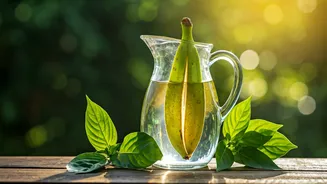
and enzyme activity, leading to healthier, more resilient blooms. For a simple application, you can chop the peel into small pieces and bury them an inch or two deep in the soil of your pots, away from the plant's main stem. As the peel decomposes, it will slowly release potassium into the soil. For a quicker boost, create a 'banana tea' by soaking a few peels in a jar of water for two to three days. Dilute this nutrient-rich liquid with an equal amount of fresh water and use it to water your flowering plants once every couple of weeks during the growing season.
Crushed Eggshells: A Calcium Kick
The secret to strong, sturdy plants lies in their cellular structure, and calcium is the key building block. Eggshells are composed almost entirely of calcium carbonate, which helps strengthen plant cell walls and can prevent common issues like blossom-end rot in plants like tomatoes, which are often grown on balconies. They also help moderate soil acidity. To use them effectively, you need to make the calcium accessible. First, rinse the shells thoroughly to remove any egg residue, which can attract pests. Let them air-dry completely, then crush them into the finest powder you can manage, using a mortar and pestle, a rolling pin, or a coffee grinder. The finer the powder, the more quickly the plants can absorb the nutrients. Sprinkle this powder lightly on the soil surface around your plants or mix it into your potting soil when planting.
Used Coffee Grounds: For Acid-Loving Plants
Your morning coffee habit can benefit your balcony garden, too. Used coffee grounds are a good source of nitrogen, which promotes lush, green leafy growth. They are also acidic, making them particularly beneficial for plants that thrive in a lower-pH environment, such as hydrangeas, petunias, and marigolds. However, moderation is key. Applying a thick, wet layer of coffee grounds directly to the soil surface is a common mistake; it can compact and form a water-resistant barrier. Instead, work a small amount of cooled, used grounds (about a tablespoon for a medium-sized pot) into the top inch of soil once a month. This light application enriches the soil without overwhelming the plant or blocking water and air.
Vegetable Cooking Water: Liquid Gold
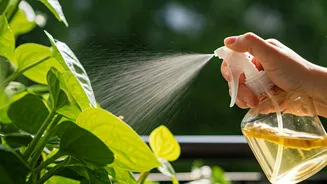
The next time you boil or steam vegetables like potatoes, carrots, or spinach, don't pour that water down the drain. As the vegetables cook, they release valuable vitamins and minerals into the water, creating a nutrient-dense broth that your plants will love. This 'liquid gold' is a gentle, all-purpose liquid fertiliser. The most important rule is to ensure the water is completely unsalted, as salt can be detrimental to plants. Simply let the water cool down to room temperature after cooking and use it for your next watering session. It’s a wonderfully simple way to reduce waste and give your plants a mild but effective nutritional boost without any extra effort or cost.
What to Avoid in Your Balcony Pots
While many kitchen scraps are beneficial, some can do more harm than good, especially in the confined space of a balcony pot. Avoid using any meat, fish, or dairy products. These items decompose slowly, produce foul odours, and are highly attractive to pests like rodents and flies. Similarly, stay away from oily or greasy foods, as they can coat the soil, repel water, and disrupt the soil's natural ecosystem. While citrus peels and onion scraps can be composted in larger systems, they can be problematic in pots, as their strong compounds may deter beneficial soil microbes and worms. Sticking to simple plant-based scraps like the ones mentioned above is the safest and most effective strategy for a healthy balcony garden.