




The Philosophy of Fasting Foods
At the heart of Hindu fasting traditions is the principle of consuming foods that are considered 'sattvic'—pure, light, and easy to digest. This practice is meant to cleanse the body and calm the mind, aiding in spiritual focus. As a result, certain food groups
are typically avoided. These include tamasic foods like onions and garlic, as well as common cereal grains such as wheat and rice. The restriction on cereals is key. Makhana, kuttu, and rajgira thrive in this context because they are not true grains. Kuttu (buckwheat) and rajgira (amaranth) are technically pseudo-cereals, meaning they are seeds from broadleaf plants, not grasses like wheat or rice. Makhana (fox nut) is the seed of a water lily. This botanical distinction makes them permissible, opening the door for a diverse and nutritious fasting menu.
Makhana: The Puffed Powerhouse
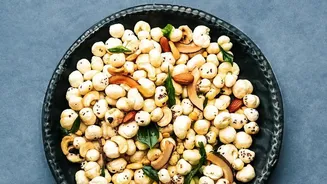
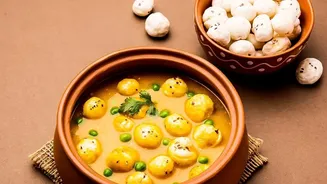
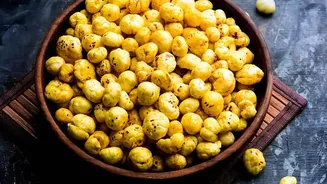
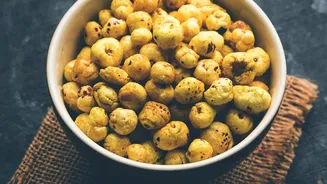
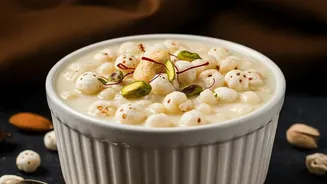
Makhana, or puffed fox nuts, have gained immense popularity beyond fasting, but their traditional role is foundational. They are incredibly light, low in calories, and have a low glycemic index, which helps manage blood sugar levels—a crucial benefit when meals are infrequent. Despite their lightness, they are packed with protein and fibre, promoting a feeling of fullness that staves off hunger pangs during a fast. They are also a good source of essential minerals like magnesium. Their versatility is another major factor in their favour. You can roast them with a pinch of rock salt (sendha namak) for a simple snack, add them to a creamy vegetable curry, or grind them into a powder to be used as a thickening agent. This adaptability makes makhana a reliable and satisfying staple.
Kuttu: The Warming Wonder
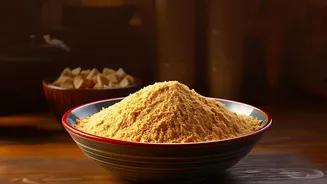
Kuttu ka atta, or buckwheat flour, is perhaps the most iconic fasting ingredient, used to make everything from puris and parathas to cheelas and pakoras. As a pseudo-cereal, buckwheat is gluten-free and boasts an impressive nutritional profile. It is rich in high-quality protein, fibre, and minerals like magnesium and copper. Traditionally, kuttu is known to have a warming effect on the body, which can be beneficial as it provides sustained energy and comfort. This energy-dense nature is vital for maintaining strength and stamina throughout the day while observing a fast. Its earthy, nutty flavour provides a welcome and distinct taste to fasting cuisine, making meals feel wholesome and complete.
Rajgira: The Royal Grain
Rajgira, or amaranth, translates to 'royal grain' or 'immortal grain', hinting at its esteemed place in ancient food cultures. Like buckwheat, it is a gluten-free pseudo-cereal. Rajgira is a nutritional champion, celebrated for being a complete protein source, as it contains all nine essential amino acids. It is also exceptionally rich in iron, calcium, and magnesium, nutrients that are vital for maintaining energy and bone health. During fasts, rajgira is most commonly used in its flour form to make rotis, puris, and delectable ladoos, often bound with jaggery and nuts. Its tiny seeds can also be popped like corn to create a light, crunchy snack. This combination of superior nutrition and culinary flexibility makes it an indispensable part of the fasting pantry.
A Blend of Tradition and Nutrition
The enduring popularity of makhana, kuttu, and rajgira is not just a matter of religious compliance. It is a testament to the inherent wisdom in traditional food practices. These ingredients do more than just fill a plate; they provide the exact kind of nourishment the body needs during a period of dietary restriction. They deliver complex carbohydrates for slow-release energy, high-quality protein for satiety and strength, and a wealth of fibre and micronutrients to support overall well-being. In a modern context, they also tick all the right boxes for health-conscious consumers: they are gluten-free, nutrient-dense, and align with a clean-eating philosophy. Their role in fasting is a perfect example of how tradition and nutritional science can align beautifully.