

Mawlynnong, Meghalaya
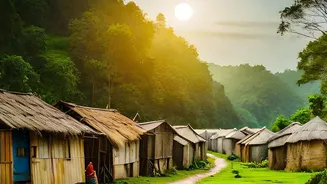
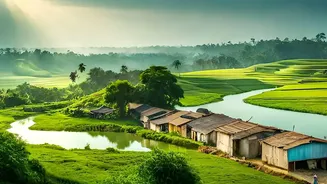
Known as 'Asia's Cleanest Village', Mawlynnong is a testament to community-led living and sustainability. Life here is orderly and unhurried. You can spend your days walking along spotless lanes lined with blooming flowers, observing the Khasi way of
life, or staying in a simple bamboo homestay. The experience is about appreciating the small details. The main attractions are not monuments but marvels of nature and tradition, like the nearby living root bridges, which are grown over generations from the roots of rubber trees. A climb up the bamboo Sky Walk offers panoramic views of the village and the plains of Bangladesh.
Majuli, Assam
Reaching Majuli, the world's largest river island, requires a ferry journey across the Brahmaputra, an experience that immediately sets a slower pace. Life on the island is dictated by the river and the seasons. It is the cultural capital of Assamese civilisation, home to Neo-Vaishnavite monasteries or 'Satras' where traditions of music, dance, and mask-making have been preserved for centuries. The best way to explore Majuli is by renting a bicycle and pedalling through paddy fields, visiting pottery villages, and interacting with the local Mishing communities in their stilt houses. It is a place to disconnect from digital noise and reconnect with cultural roots.
Ziro Valley, Arunachal Pradesh
Ziro Valley is a serene landscape of pine-clad hills and vast rice paddies, recognised as a UNESCO World Heritage tentative site. It is home to the Apatani tribe, known for their sustainable agricultural practices of cultivating rice and fish in the same fields. Life in Ziro is gentle and intentional. Travellers can immerse themselves by staying in local homestays, walking through quiet villages with bamboo houses, and learning about the Apatani way of life. It's a destination that rewards those who move slowly, offering a deep sense of peace and a connection to an ancient culture in harmony with its environment.
Landour, Uttarakhand
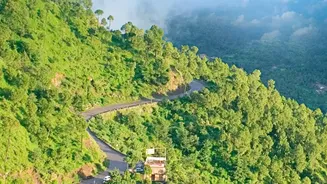
Situated just above the bustling hill station of Mussoorie, Landour feels like a step back in time. As a quiet cantonment town, it has escaped heavy commercialisation, retaining its colonial-era charm with old churches, heritage homes, and pine-scented forests. The 'slow living' experience here involves long, peaceful walks along winding roads like the 'Upper Chakkar', stopping at Char Dukan for tea and pancakes, and visiting St. Paul's Church. It's a place for quiet contemplation, reading, and simply enjoying the crisp mountain air, far from the crowds. The beauty of Landour is in doing very little at all.
Kalpa, Himachal Pradesh
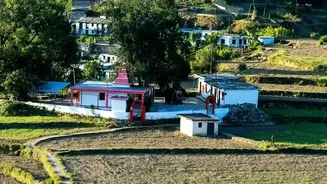
Perched high in the Kinnaur district, Kalpa is a village defined by one of the most spectacular mountain views in the Himalayas: an unobstructed panorama of the Kinnaur Kailash range. The slow life here revolves around this magnificent view, which changes colours throughout the day, especially at sunrise. Days are spent walking through apple orchards, visiting traditional wood-carved temples like the Narayan-Nagini temple, and exploring the serene Hu-Bu-Lan-Kar Monastery. It’s a place for quiet reflection, photography, and experiencing the distinct Kinnauri culture in a tranquil setting.
Mararikulam, Kerala
Mararikulam, or Marari, is a sleepy fishing village on the Keralan coast that offers a peaceful alternative to busier beach destinations. The focus here is not on parties or water sports but on relaxation and local life. You can spend your days taking long walks on the near-empty, palm-fringed beach, watching fishermen haul in their daily catch using traditional methods, and cycling through the quiet village lanes. Many visitors also indulge in Ayurvedic treatments or simply relax in a hammock. It’s the perfect place to experience the slow, rhythmic life of a coastal community.
Gokarna, Karnataka
Gokarna offers a unique blend of spiritual pilgrimage town and laid-back beach haven, presenting a quieter alternative to Goa. Its identity is split between the ancient Mahabaleshwar Temple at its heart and the series of pristine beaches along its coast, like Kudle and Om Beach. Slow travel here means finding your rhythm: attending temple rituals in the morning, trekking between the secluded Half Moon and Paradise beaches in the afternoon, and enjoying the sunset from a cliffside café. The pace is unhurried, encouraging visitors to swim, practice yoga, and simply relax on the golden sands.
Diskit, Ladakh
As the main village in the breathtaking Nubra Valley, Diskit's atmosphere is shaped by its dramatic high-altitude desert landscape and deep-rooted Buddhist culture. The pace of life is serene and spiritual. The village is home to the Diskit Monastery, the oldest and largest in the valley, which offers stunning views and a profound sense of peace. Dominating the skyline is the towering 32-metre statue of Maitreya Buddha, which faces the Shyok River and is believed to promote peace. Slow living in Diskit involves exploring the monastery, walking through the village, and watching the sunset over the Hunder sand dunes nearby.