




A Welcome Break in the Weather
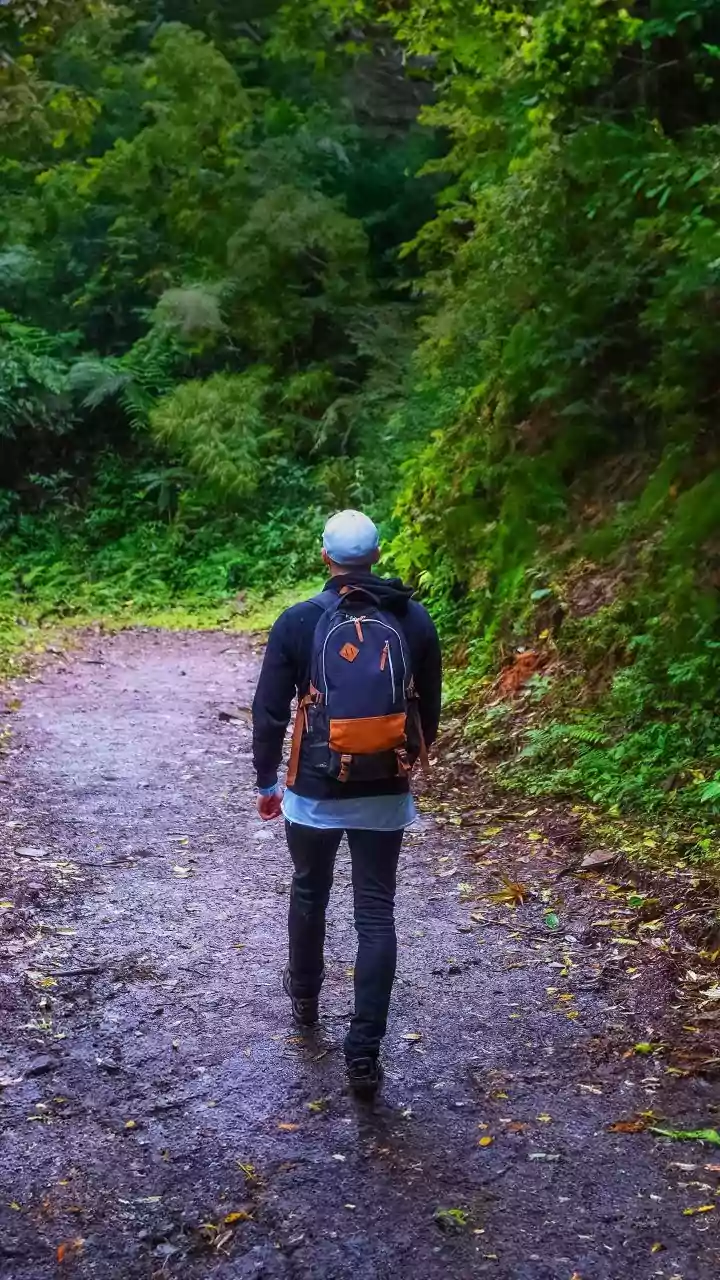
After months of heavy rain and humidity, the post-monsoon season ushers in a period of pleasant, moderate weather across much of India. The air is fresh, the dust has settled, and the landscapes are vibrant and green. This creates an ideal environment
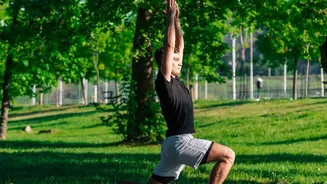
for physical activity, a welcome change from the sticky indoor confines of a gym or home workout space. The cooler, clearer skies of October and November provide a comfortable setting that's neither too hot nor too wet, encouraging more people to step outside. This favourable climate makes outdoor workouts more enjoyable and sustainable, allowing you to build a consistent routine without battling extreme weather.
The Power of Sunshine and Fresh Air
Exercising outdoors offers significant health advantages that you simply can't get inside. One of the most critical is exposure to sunlight, which enables the body to produce Vitamin D. This essential nutrient is vital for strong bones, robust immune function, and muscle maintenance. Despite being a sunny country, many in India have Vitamin D deficiency, partly due to indoor lifestyles. A post-monsoon workout in the park is a natural and effective way to boost your levels. Beyond vitamins, simply being in a natural, green environment has been shown to reduce stress, anxiety, and fatigue while improving mood and energy levels. The combination of physical exertion and natural surroundings can be a powerful antidote to mental fatigue.
More Than a Workout, It’s a Community
One of the biggest draws of group exercise in parks is the sense of community. Unlike solo workouts, group sessions foster social interaction and a feeling of shared purpose. In cities across India, from Mumbai to Gurugram, running clubs and fitness groups have turned local parks into social hubs. These communities provide motivation, accountability, and support. Whether it's a laughing yoga circle, a high-energy Zumba class, or a disciplined boot camp, exercising with others creates connections. This social element makes fitness feel less like a chore and more like a fun, engaging activity, which is a key reason people stick with it long-term.
Variety and Accessibility for All
Parks offer a diverse and often free or low-cost alternative to expensive gym memberships. Many local municipalities and private groups organize a wide range of activities, from yoga and aerobics to laughter clubs and senior fitness classes. This variety ensures there is something for every age and fitness level. You can find everything from high-intensity boot camps and hip-hop aerobics to gentle stretching and walking groups. The open, inclusive nature of park fitness breaks down economic barriers, making health and wellness accessible to a broader community. You don't need fancy equipment; often, all that's required is a mat, comfortable clothing, and a willingness to join in.
How to Get Started
Finding a group is easier than you might think. Start by visiting your local park in the early mornings or evenings, as this is when most groups are active. Community notice boards, both physical and on social media platforms, are also great resources for finding class schedules and contact information. In many cities, municipal bodies and local health departments partner to offer free fitness programs like 'Indy in Motion' as a reference. Don't be shy about approaching a group and asking if you can join. Most are welcoming to new members. Remember to wear comfortable shoes, carry water, and listen to your body, especially if you're new to exercise.