


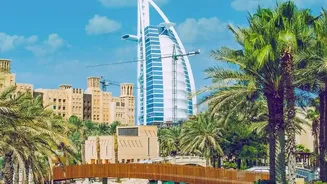

The Legend of the Golden Path
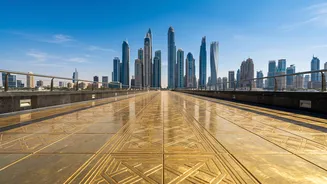
The idea of a walkway paved or plated in 24-carat gold is one that immediately captures the imagination. It speaks of ultimate luxury and audacious design, concepts that have become synonymous with Dubai. However, despite the evocative power of the headline,
there are currently no official government or developer-backed plans for a 24-carat gold walkway. The project appears to be more of a legend than a confirmed proposal. Such rumors often gain traction because they align perfectly with Dubai's established global brand. The city has a long and proven track record of building the biggest, tallest, and most lavish structures in the world, making even the most fantastical ideas seem plausible. While you won't find a golden walkway in any current development prospectus, the fact that so many find the idea believable is a testament to the city's success in branding itself as a place where the impossible is possible.
A City Paved with Ambition
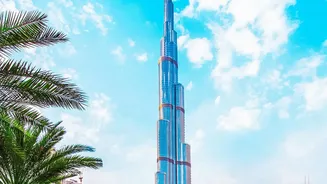
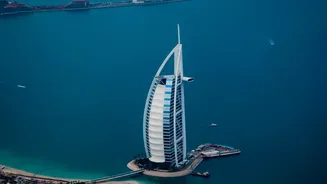
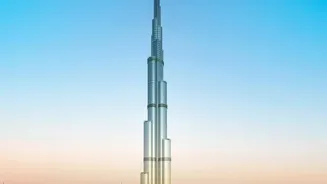
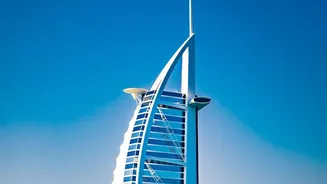
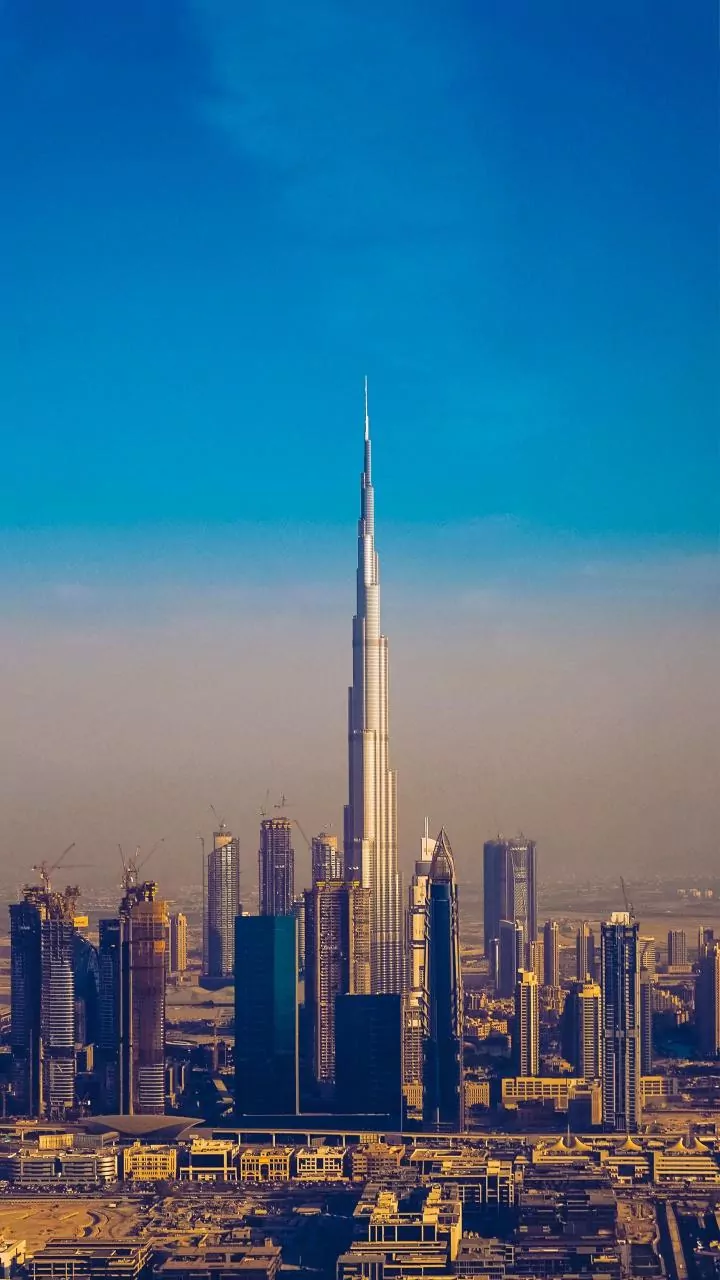
To understand why a golden walkway sounds like a quintessentially 'Dubai' project, one only needs to look at the existing urban landscape. This is a city that already boasts an indoor ski resort in the middle of the desert, the world's tallest building in the Burj Khalifa, and vast man-made islands like the Palm Jumeirah, which is visible from space. These aren't just feats of engineering; they are powerful statements. Each project serves as a global icon, attracting tourism and investment while cementing Dubai's reputation as a hub for innovation and luxury. The city's development philosophy is not just about building infrastructure, but about creating landmarks that generate buzz and define its identity on the world stage. This foundation of realised dreams is what makes the soil so fertile for rumors of even grander projects to come.
Beyond the Myth: What’s Actually Next
While a golden walkway may not be on the horizon, the real projects in Dubai's pipeline are arguably even more ambitious. A central focus is the massive expansion of Al Maktoum International Airport (DWC), which is set to become the world's largest airport with a capacity for up to 260 million passengers. This project is a clear signal of Dubai's intent to dominate global aviation and logistics. On the urban innovation front, one of the most talked-about concepts is 'The Loop'. This proposed 93-kilometre, climate-controlled highway is designed for pedestrians and cyclists, aiming to make walking and biking the primary mode of transport for millions of residents. Unlike a decorative walkway, this project is focused on sustainability and quality of life, representing an evolution in Dubai's vision for the future. These confirmed and proposed developments show that the city's focus is on building a functional, future-proof metropolis, not just accumulating symbols of wealth.
The Strategy Behind the Spectacle
These headline-grabbing projects are all part of a deliberate and longterm economic strategy. Known as the Dubai Economic Agenda 'D33,' the plan aims to double the size of the city's economy by 2033 and establish it as one of the top three global cities for business and travel. A key pillar of this strategy is to move beyond the region's historical reliance on oil revenue. By creating a worldclass destination for tourism, a hub for international finance, and a hotbed for technological innovation, Dubai is building a diversified and resilient economy. The mega projects serve as both the engine and the advertisement for this transformation. They create jobs and attract foreign investment, but more importantly, they build a powerful brand that keeps Dubai in the global conversation, ensuring it remains a magnet for talent and capital from around the world.