







Peak Flavour, Peak Freshness
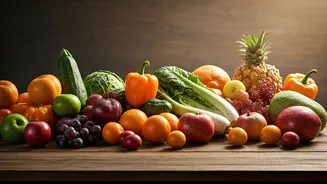
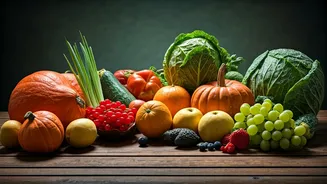
The most immediate and rewarding benefit of eating seasonally is taste. Produce that is picked at the peak of its ripeness simply tastes better. A mango in May, a juicy orange in December, or crisp spinach in the winter months—these foods have a depth
of flavour that their out-of-season, long-distance counterparts can't match. When fruits and vegetables are harvested before they are ready and artificially ripened during transit, they lose much of their natural sweetness and complex taste profiles. Seasonal produce, on the other hand, is allowed to mature fully on the plant, absorbing sunshine and nutrients, resulting in a more vibrant and satisfying eating experience. This superior taste can transform your daily meals from mundane to memorable.
A Nutritional Powerhouse
Healthy plates are nutrient-dense plates. Seasonal food is often more nutritious because it’s consumed closer to the time of harvest. Vitamins and antioxidants in fruits and vegetables, such as Vitamin C and beta-carotene, begin to degrade as soon as the produce is picked. The longer the time between the farm and your table, the more nutrients are lost. Produce that travels thousands of kilometres or sits in cold storage for months has a significantly lower nutritional value than fresh, local items. By choosing what's in season, you are essentially getting a more potent dose of the vitamins, minerals, and phytonutrients that are essential for good health and a strong immune system.
Kinder on Your Wallet
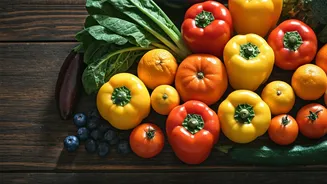
Eating healthy doesn't have to be expensive. In fact, aligning your shopping with the seasons is one of the smartest ways to save money on groceries. The basic principle of supply and demand works in your favour here. When a particular fruit or vegetable is in season, it is abundant and available locally. Farmers have a plentiful harvest, which reduces the costs associated with storage and transportation. This abundance drives prices down. Compare the price of peas in winter to their cost in summer, or the price of watermelon in peak season versus off-season. By building your meals around what's readily available at your local sabzi mandi, you can enjoy the freshest food at the most affordable prices.
An Eco-Friendly Choice
Your food choices have a direct impact on the planet. Opting for seasonal produce is a simple yet powerful way to reduce your carbon footprint. Out-of-season demand requires food to be grown in energy-intensive greenhouses or transported across long distances, often by air. This entire process consumes a vast amount of fossil fuels, contributing to greenhouse gas emissions. Eating locally and seasonally minimises these 'food miles'. It also supports local farmers and agricultural communities, strengthening the local economy and promoting more sustainable farming practices that are better aligned with the natural environment.
A Simple Guide to India's Seasons
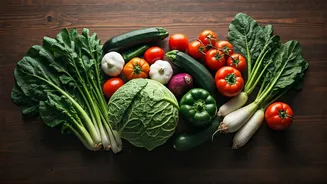
India's diverse climate means seasons vary by region, but here is a general guide to help you get started: **Summer (March-June):** Look for fruits that help you stay cool and hydrated. This is the season for mangoes, watermelon, muskmelon, lychee, and jackfruit. Vegetables like okra (bhindi), cucumber, bottle gourd (lauki), and pumpkin are abundant. **Monsoon (July-September):** The rains bring a new bounty. Enjoy jamun, peaches, and plums. It’s a great time for corn (bhutta), and a variety of gourds like bitter gourd (karela) and snake gourd. Leafy greens may be less common, but you'll find plenty of root vegetables. **Winter (October-February):** This is the season for vibrant greens and citrus. Stock up on spinach (palak), fenugreek (methi), mustard greens (sarson), carrots, peas, and radishes. Fruits like oranges, guava, pomegranates, and grapes are at their sweet and juicy best.