








Starting a new fitness journey is exciting, but enthusiasm can lead to injury. Diving into intense workouts without preparation can harm your joints. The key to long-term success is starting smart with exercises that build strength safely.
Why Starting Slow Is Non-Negotiable
When you're
motivated to get fit, it’s tempting to jump into high-intensity workouts you’ve seen online. But your body, especially your joints, needs time to adapt. Going from zero to one hundred puts immense stress on your cartilage, tendons, and ligaments, which can lead to inflammation, strains, and other injuries that sideline you before you even really begin. Starting slowly allows your muscles, which act as crucial support for your joints, to build strength gradually. This foundational strength is what protects your knees, hips, and shoulders from the repetitive stress of exercise. Think of it as building a strong foundation before putting up the walls of a house. Consistency over a few weeks of gentle activity is far more beneficial than one brutal workout that leaves you too sore or injured to continue.
What 'Joint-Friendly' Really Means
The term 'joint-friendly' typically refers to low-impact exercises. 'Impact' describes the force exerted on your joints when your body makes contact with a surface. High-impact exercises, like running or jumping, involve moments where both feet are off the ground simultaneously, leading to a jarring landing. Low-impact exercises, in contrast, keep at least one foot on the ground at all times or support your body weight in other ways. For example, walking is low-impact, while running is high-impact. Water-based activities like swimming are considered nearly zero-impact because the water's buoyancy supports your body, relieving pressure on the joints. Choosing low-impact options allows you to raise your heart rate and build muscle without pounding your joints.
Excellent Low-Impact Exercises to Start
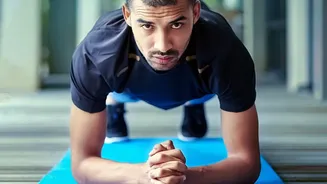
You have plenty of effective and engaging options for a joint-friendly start. Walking is one of the most accessible exercises; begin with 10-15 minutes on a flat surface and gradually increase your time and pace. Swimming or water aerobics are considered ideal for joint health, as the water provides resistance to build strength while cushioning your movements. Cycling, either on a stationary bike or outdoors, strengthens your legs with minimal stress on the knees and hips. An elliptical machine mimics the motion of running without the associated impact. For building foundational strength, bodyweight exercises like squats, glute bridges, and planks are excellent. These movements strengthen the key muscles that support and stabilise your joints.
Prioritise Form Over Speed and Weight
One of the most common beginner mistakes is sacrificing good form for more reps, speed, or weight. This is a fast track to injury. When you're new to an exercise, moving slowly allows you to focus on the correct technique and ensure you are engaging the right muscles. For strength exercises like squats, focus on controlled movement, keeping your knees aligned with your toes and your chest up. With any exercise, if you feel sharp pain, stop. It's crucial to learn the difference between the 'good' burn of muscle fatigue and the 'bad' pain of a stressed joint or ligament. A general muscle ache that appears a day or two after a workout is normal, but sharp, persistent, or localised joint pain is a signal to rest and reassess.
Warm-Ups and Cool-Downs Are Crucial
Never skip your warmup. Spending 5 to 10 minutes on dynamic movements like arm circles, leg swings, or marching in place increases blood flow, loosens joints, and prepares your muscles for activity. Cold muscles are much more susceptible to strains and tears. Equally important is the cooldown. After your workout, take a few minutes for gentle stretching. This helps with muscle recovery and can prevent spasms and strains. Think of the warmup and cooldown as essential parts of the workout itself, not optional addons. They are fundamental to preventing injury and ensuring your body recovers properly, allowing you to stay consistent with your new routine.