

Time Your Trip with the Cosmos
The single most important hack has nothing to do with your camera. It's about timing. First, plan your visit during the new moon. A bright moon acts like a giant lightbulb, washing out the faint light from the galaxy. Aim for the week centered around
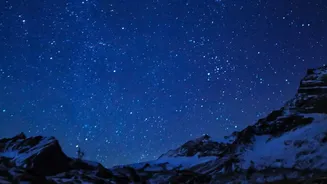
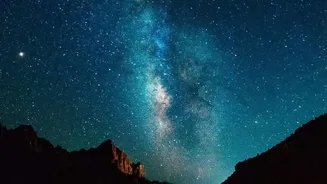
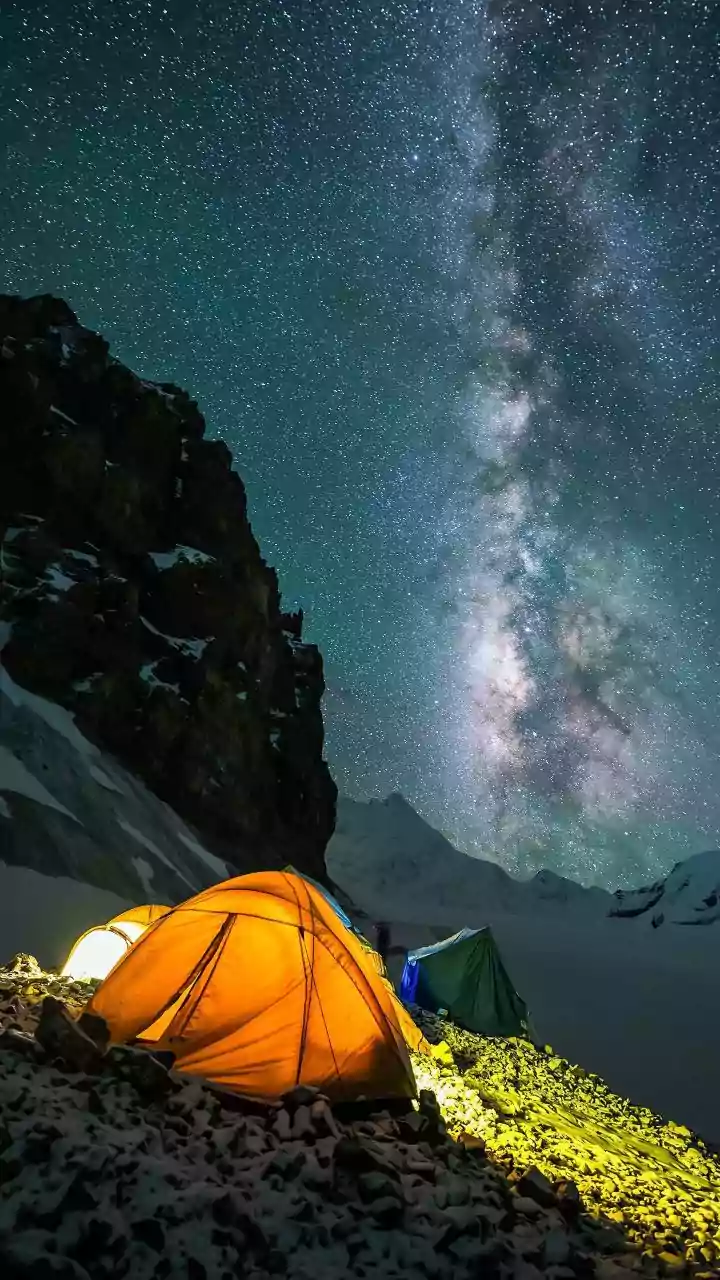
the new moon for the darkest possible skies. Second, target the right months. The brilliant, dense galactic core is best viewed from the Northern Hemisphere between April and September. The months of May, June, and September are often considered ideal, offering a great balance of clear skies and prominent core visibility right after sunset or before dawn.
Choose Your Celestial Vantage Point
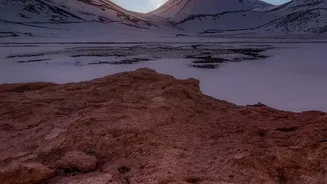
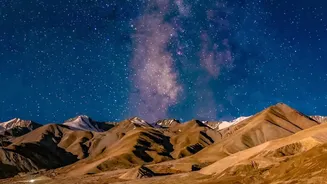
While almost anywhere in Spiti offers incredible views, some locations are legendary among astrophotographers. Villages like Langza, Komic, and Kibber are favourites. At over 4,200 metres, they provide high-altitude clarity and minimal light interference. Langza is famous for its large Buddha statue, which creates a stunning foreground against the galactic arch. Komic, one of the world's highest motorable villages, offers vast, unobstructed 360-degree views. For a truly remote experience, the area around Chandratal Lake provides pristine Bortle Class 1 skies, the darkest possible rating, with the added bonus of capturing celestial reflections in the water on a calm night.
Pack the Right (Not Just Expensive) Gear
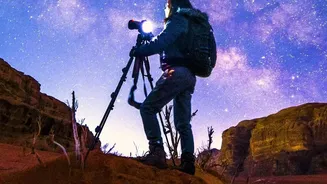
You don't need the most expensive kit, but you do need the right tools. A sturdy tripod is non-negotiable, as winds can be strong at high altitudes. For your camera, a DSLR or mirrorless body with manual mode is essential. Pair it with a wide-angle lens (14-24mm is ideal) that has a fast aperture of f/2.8 or wider. This allows your camera to gather as much light as possible in the dark. Finally, a headlamp with a red-light mode is crucial. It lets you see your gear without ruining your night vision, which takes about 20-30 minutes to fully adapt to the dark.
Master the Holy Trinity of Settings
Getting a sharp, bright shot of the galactic core revolves around balancing three key settings: aperture, shutter speed, and ISO. Start with your aperture wide open (the lowest f-number, like f/2.8). For shutter speed, a good starting point is 15-25 seconds; any longer and you'll start to see star trails as the Earth rotates. Set your ISO between 3200 and 6400. This makes the camera sensor more sensitive to light. Take a test shot and adjust. If it's too dark, bump up the ISO. If stars are streaking, shorten the shutter speed.
Nail Your Focus in Absolute Darkness
Autofocus will not work in the dark. You must focus manually. The easiest way is to switch your lens to manual focus and use your camera's live view screen. Point your camera at the brightest star you can find, then digitally zoom in on it as far as you can. Carefully turn the focus ring until that star becomes a sharp, tiny point of light. Once you've nailed the focus, you can tape the focus ring in place with a small piece of gaffer tape to prevent it from moving accidentally during the shoot.
Battle the Biting Cold
Spiti's nights are cold, even in summer, with temperatures often dropping close to freezing. This cold is your gear's worst enemy. Batteries drain significantly faster in the cold, so bring at least two or three spares and keep them warm in an inside pocket of your jacket, close to your body heat. To prevent your lens from fogging up or frosting over, attach a lens hood. Some photographers also use chemical hand warmers strapped around the lens barrel to keep it from getting too cold.