
The Myth of the Off-Season
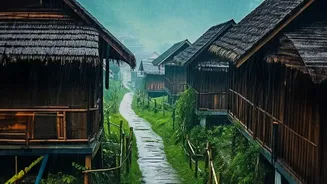
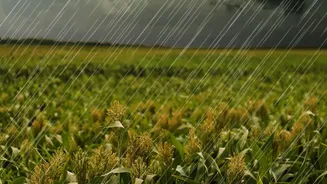
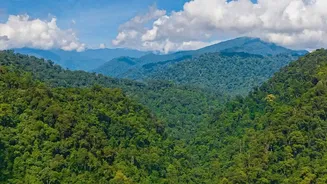
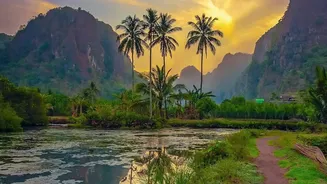
The conventional wisdom for travel in India has always been to avoid the monsoon. But for the Northeast, this couldn't be further from the truth. The rainy season, typically from June to September, is when the region truly comes alive. It's a time when the hills
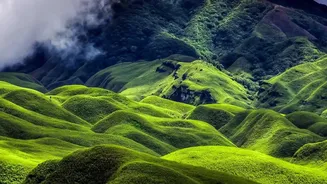
turn a shade of emerald you've never seen, waterfalls thunder with life, and the air is crisp and clean. Far from being an 'off-season', for nature lovers, this is prime time. Travellers are increasingly realizing that to see the Northeast in its most majestic form, you need to embrace the clouds and the rain that give Meghalaya, the 'Abode of Clouds', its name. The bonus? Fewer crowds and a more peaceful, immersive experience.
Meghalaya: Chasing Waterfalls and Clouds
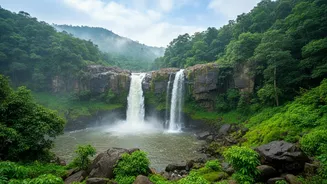
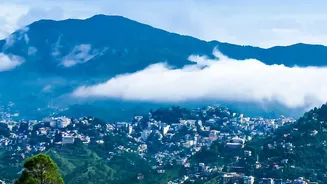
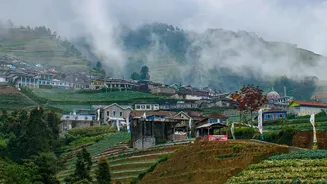
Meghalaya is the undisputed heart of monsoon magic. Places like Cherrapunji and Mawsynram, famously among the wettest places on Earth, become ethereal wonderlands. Waterfalls like Nohkalikai, the Seven Sisters Falls, and Dainthlen, which are modest streams in other seasons, transform into roaring, spectacular cascades. The iconic living root bridges, masterpieces of bio-engineering by Khasi tribes, glisten with fresh moss and vitality, making the trek to see them an adventure in itself. The landscape is a photographer’s dream, with mist rolling through valleys, shrouding the hills in a mysterious, dream-like atmosphere. Boating on Umiam Lake near Shillong or exploring the well-lit Mawsmai Caves offer different ways to soak in the rainy-day charm.
Assam: Washed-Clean Tea Gardens and Wildlife
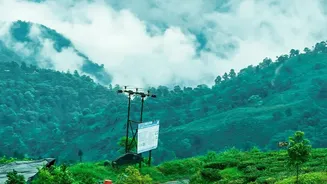
While Meghalaya boasts dramatic waterfalls, Assam counters with serene, sprawling beauty. The monsoon washes the endless tea gardens clean, leaving them a vibrant, glistening green. Driving through estates near Dibrugarh or Jorhat, often called the 'Tea Capital of the World', is a soothing experience. Many plantations offer tours and stays in colonial-era bungalows, allowing visitors to witness the tea-plucking process and taste fresh Assam tea. While the core zones of Kaziranga National Park are often closed due to the rains, the surrounding areas and other reserves offer a unique perspective. The wetlands fill up, the landscape is lush, and it provides a different kind of beauty for those willing to explore the fringes.
Arunachal Pradesh: Verdant Valleys and Culture
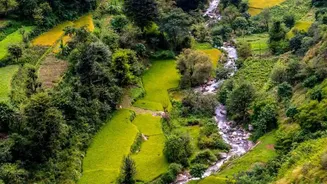
For the more adventurous, Arunachal Pradesh offers a raw, unfiltered monsoon experience. The landscapes of Ziro Valley, with its green paddy fields, become intensely beautiful. Tawang, home to one of India's largest monasteries, takes on a serene and mystical quality when wrapped in monsoon clouds. The journey itself, through rain-washed mountains and past gushing waterfalls like Nuranang Falls, is a major part of the appeal. The season also coincides with vibrant local festivals like the Dree Festival of the Apatani tribe, offering a unique cultural immersion alongside the natural beauty. However, travel here requires more planning due to the challenging road conditions.
A Practical Guide to Monsoon Travel
Embracing the monsoon requires some preparation. Waterproofing is key: pack raincoats, umbrellas, waterproof footwear, and dry bags for your electronics. Roads, especially in mountainous areas, can be prone to landslides, so it's crucial to build buffer days into your itinerary and stay flexible. Hiring an experienced local driver who understands the terrain is highly recommended. While major towns have connectivity, be prepared for power cuts and patchy mobile networks in remote areas; carrying a power bank and some cash is always a good idea. Finally, check weather forecasts and local advisories before and during your trip, and avoid getting too close to swollen rivers or waterfalls.