



The Unexplored Heart of the Jaintia Hills
Jowai, the headquarters of the West Jaintia Hills district, is more than just a scenic stopover; it is the cultural heartland of the Pnar people. Unlike the more commercialized tourist circuits, Jowai offers a glimpse into a way of life deeply connected
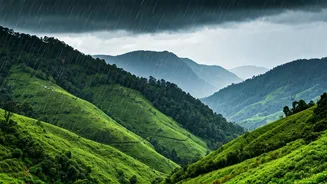
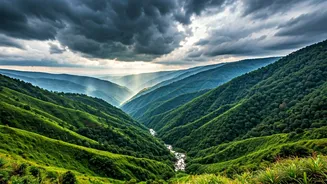
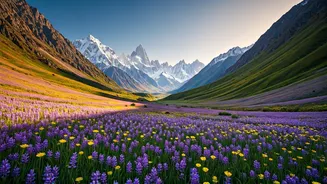
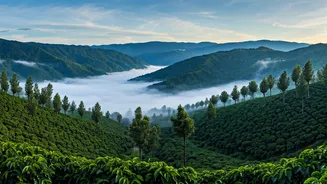
to the seasons. The monsoon, in particular, is not a time of hibernation but of vibrant celebration. The landscape, a lush canvas of rolling hills, is bisected by the Myntdu River, which encircles the town on three sides. This period of rain and renewal sets the stage for Jowai’s most profound cultural expression, making it an ideal destination for travellers who want to experience a place, not just see it.
Behdeinkhlam: A Festival Born of Rain and Ritual
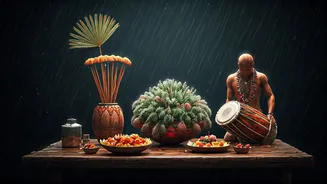
The single most compelling reason to visit Jowai during the monsoon is the Behdeinkhlam festival. Celebrated annually in July by followers of the Niamtre faith, its name translates to “chasing away the plague with sticks.” This four-day spectacle, scheduled for July 11-14 in 2026, is a powerful ritual to drive away sickness and pray for a bountiful harvest. Young men beat the roofs of houses with bamboo poles to chase away evil spirits, while intricately decorated, towering chariots called 'Rots' are paraded through the streets and immersed in a sacred pool. The festival culminates in a game resembling football, played with a wooden ball. It's a raw, energetic, and deeply spiritual experience, devoid of commercial gloss and full of authentic tradition.
Nature's Drama: Waterfalls and Lakes
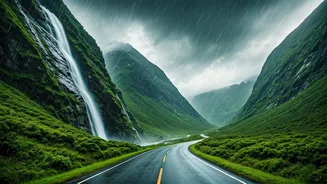
While culture is the main draw, Jowai's natural beauty is dramatically amplified by the monsoon. The nearby Tyrshi Falls, a magnificent cascade, becomes a thunderous spectacle during the rains. Krang Suri, one of Meghalaya's most stunning waterfalls, known for its crystal-blue pool, takes on a powerful and dramatic form. While swimming may be unsafe due to strong currents, the sight is unforgettable. For a more serene experience, Thadlaskein Lake, steeped in local history, offers a tranquil panorama amidst the lush greenery. These sites, often less crowded than their Khasi Hills counterparts, provide a perfect balance to the festive energy of the town.
A Taste of Jaintia Culture
A cultural escape is incomplete without exploring the local cuisine, and Jowai offers a distinct culinary journey. Pnar food is flavourful and rooted in the landscape. Staples often include 'Jadoh' (a rice and meat dish), though the Jaintia version has its own unique preparation. Look out for 'Tungrymbai', a fermented soybean chutney that is a flavour-packed local favourite. The monsoon season brings an abundance of fresh greens and ingredients that make their way into delicious, hearty meals. Exploring the local markets and small eateries provides not just a meal, but another authentic connection to the culture of the Jaintia Hills.
Your Monsoon Travel Planner
Reaching Jowai is straightforward. The nearest major airport is in Guwahati, approximately 160-170 km away, with Shillong's Umroi Airport (around 65 km away) offering limited connectivity. From Guwahati or Shillong, you can hire a taxi or take a shared sumo or bus for the scenic road journey. Given the Behdeinkhlam festival in July, it is wise to book accommodation in advance. Pack for rain: a reliable raincoat, waterproof footwear, and quick-dry clothing are essential. While the monsoon enhances the region's beauty, be aware that heavy rains can sometimes cause travel disruptions, so it's best to check local weather advisories. Embrace the slower pace, be prepared for downpours, and you will be richly rewarded.