


Why a Drying Plan Is Non-Negotiable
Leaving a pet to air-dry indoors is more than just a recipe for damp floors and furniture. Trapped moisture in a pet’s coat is a leading cause of that persistent “wet dog” smell, which is caused by bacteria and yeast thriving in the damp fur. This lingering
dampness can also seep into carpets, sofas, and pet beds, creating a breeding ground for mould and mildew. Over time, this can lead to unpleasant odours, potential damage to your home, and an unhealthy environment for both you and your pet. Furthermore, consistently damp fur can lead to skin irritations and infections for your animal companion, making a proactive drying strategy a matter of health and hygiene.
Create an Entryway Drying Station
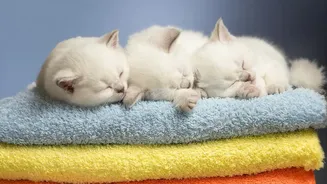
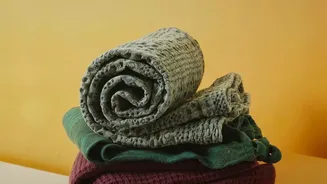
The first line of defence is to contain the mess the moment your pet comes inside. Designate an area near your main entrance or in a mudroom as a dedicated dry-off zone. Stock this area with essential tools. Forget standard cotton towels; invest in ultra-absorbent microfiber or shammy towels designed specifically for pets. These materials can soak up many times their weight in water, drastically cutting down drying time. Keep a stack of these towels in a basket by the door. For a more thorough job, consider shammy towels with hand pockets, which allow you to get a better grip and efficiently dry your pet’s underbelly, legs, and paws.
Upgrade Your Drying Toolkit
For pets with thick or long fur, towels alone often aren’t enough. A wearable drying coat or robe is an excellent investment. These absorbent coats wrap around your pet and are secured with straps, passively wicking away moisture while your pet moves around. The inner layer is typically absorbent microfiber, while a waterproof outer shell prevents water from transferring to your furniture. For a faster solution, a pet-specific hair dryer is a powerful tool. Unlike human hair dryers, these are designed to operate at a lower temperature to avoid burning a pet’s sensitive skin. Some owners are even opting for pet dryer boxes, which provide a contained, low-stress environment with gentle, circulating warm air for smaller pets.
Protecting Your Home from Dampness
Even with the best drying routine, some moisture will escape. Protect your home by using waterproof or highly absorbent doormats at entryways. In areas where your pet frequently lounges after coming inside, consider using washable, waterproof furniture covers or blankets. Elevated pet beds are another great option, as they allow for air circulation underneath, preventing moisture from getting trapped against the floor. For homes in particularly humid climates, especially during the rainy season, a dehumidifier can be a game-changer. By removing excess moisture from the air, a dehumidifier helps dry out damp spots faster, combats musty odours, and inhibits the growth of mould and mildew throughout your home.
Banishing Lingering Odours and Damp
Regularly cleaning your pet’s belongings is crucial for odour control. Wash pet bedding, blankets, and soft toys frequently in hot water, if the material allows, to kill odour-causing bacteria and mould spores. When cleaning hard surfaces or pet bowls, a solution of diluted white vinegar can be an effective, pet-safe disinfectant. For persistent smells in carpets or on furniture, sprinkle baking soda, let it sit for several hours to absorb odours, and then vacuum it up thoroughly. Maintaining good ventilation by opening windows or using fans can also significantly help in circulating fresh air and preventing the home from feeling stuffy and damp.