







The 'Sense' of Tea: What to Look For
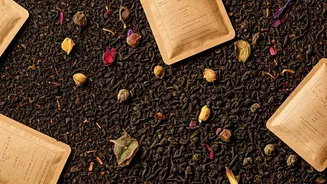
Before you even think about brewing, your senses are your best guide. High-quality tea starts with the appearance of the dry leaves. Look for whole, unbroken leaves that are uniform in shape and size. This indicates careful processing and handling. Dust
and fannings—the small particles found in many mass-market tea bags—often result in a more bitter and less nuanced flavour because the essential oils have been lost. The colour of the leaves should be vibrant; a green tea that looks brownish, for instance, may be old. Finally, trust your nose. A good quality tea will have a fresh, distinct aroma, whether it's the grassy scent of a green tea or the malty notes of a black tea. An absence of scent or a stale smell is a clear red flag.
Understanding the Main Tea Types
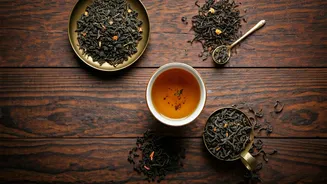
All true tea comes from the Camellia sinensis plant. The differences between black, green, white, and oolong teas are determined by how the leaves are processed after harvesting, specifically the level of oxidation. Black tea is fully oxidised, giving it a robust flavour and a dark colour. Green tea is heated to prevent oxidation, preserving its fresh, vegetal character. White tea is the least processed, made from young buds, and offers a delicate, subtle flavour. Oolong tea sits somewhere in the middle, with a wide range of oxidation levels that create an incredible diversity of flavours, from light and floral to dark and roasted. Knowing these basic categories helps you narrow down your preferences and explore with more confidence.
Sourcing: Why Origin Matters
Knowing where your tea comes from is pivotal. Reputable sellers will provide information on the country and even the specific region or estate where the tea was grown. This is what's known as 'single-origin' tea, and like a fine wine, it offers a pure taste of a specific place, or 'terroir'. India, for example, is home to distinct tea-growing regions like Assam, known for its bold, malty black teas, and Darjeeling, which produces more delicate, floral black teas often called the 'champagne of teas'. The harvest date is another crucial piece of information, especially for green teas, which are best enjoyed fresh. While supermarkets offer convenience, specialty tea retailers, whether online or in-person, often provide higher quality leaves and more detailed sourcing information, helping you make a more informed choice.
Developing Your Taste and Palate
Taste is the ultimate test, and developing your palate is a journey of exploration. Don't be afraid to start small by purchasing samples. This is a cost-effective way to try many varieties without committing to a large quantity of something you might not enjoy. When you taste, pay attention to more than just the initial flavour. Brew the tea according to the instructions, as different types require different water temperatures and steeping times. Professional tasters often slurp the tea to spray it across their entire palate, which helps to identify a wider range of flavours. Notice the tea's aroma, its body or mouthfeel, and the finish—the lingering taste after you've swallowed. Keeping a small journal to jot down notes on what you like or dislike can help you recognize patterns and refine your preferences over time.