






Invest in a Truly Waterproof Bag
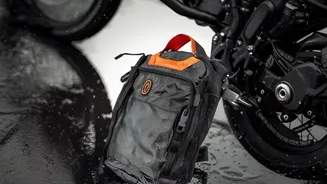
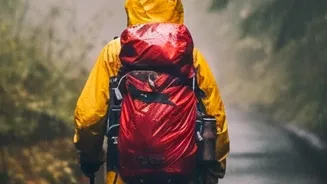
Your first line of defence is the bag you carry every day. While many backpacks are labelled 'water-resistant', this often isn't enough to survive a persistent Indian monsoon downpour. Water-resistant materials will eventually soak through. Instead, look
for bags explicitly rated as 'waterproof'. These are often made from materials like treated nylon or PVC tarpaulin and feature sealed seams and zippers to prevent water from seeping inside. For those who carry very expensive equipment, like photographers or videographers, a 'dry bag' is the gold standard. These bags use a roll-top closure system that creates an airtight seal, ensuring the contents stay completely dry even if briefly submerged.
The Double-Bagging Technique
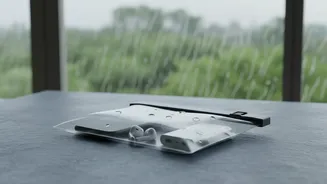
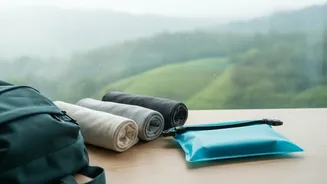
For an effective and low-cost solution, embrace the power of layers. This is a simple but highly effective trick. Before placing your laptop or other electronics into your primary backpack, put them inside a secondary waterproof layer. This could be a dedicated waterproof pouch, a heavy-duty zip-top bag, or even a simple plastic bag in a pinch. The idea is to create redundancy. If your outer bag fails or gets soaked through, the inner bag provides a crucial second barrier against moisture, keeping your valuable device safe and dry.
Combat Humidity with Silica Gel
Rain isn't the only enemy during the monsoon; pervasive humidity is a silent threat. Moisture in the air can condense inside your devices, leading to corrosion, rust, and short circuits over time. This is where silica gel packets come in handy. These small sachets are powerful desiccants, meaning they absorb moisture from their immediate surroundings. You often find them in new shoe boxes or electronics packaging. Don't throw them away. Instead, place a few inside your laptop bag, camera case, and any container where you store electronics. They work best in enclosed spaces, creating a dry micro-environment that protects sensitive internal components from dampness. Remember to replace them periodically, as they lose effectiveness once saturated.
Seal the Small Gaps
Don't forget the small accessories. Your chargers, cables, power banks, and headphones are also vulnerable to moisture damage. Use smaller zip-top bags to keep them organised and protected within your main backpack. This not only keeps them dry but also prevents a wet cable from introducing moisture to other items in your bag. For your phone, consider using port covers. These tiny silicone plugs seal off the charging port and headphone jack, which are common entry points for water. It’s a small, inexpensive step that can prevent a costly repair.
Emergency Plan: When a Device Gets Wet
If the worst happens and your device gets soaked, acting quickly is critical. First and most importantly, power it off immediately. Do not try to turn it on to see if it still works, as electricity and water can cause a fatal short circuit. Unplug any connected cables or peripherals and, if your device has a removable battery, take it out. Turn the device upside down in a V-shape to let the water drain out. Gently wipe the exterior with a dry, lint-free cloth. Do not use a hairdryer, as the heat can damage internal components. Place the device in a dry, well-ventilated area for at least 48 to 72 hours to allow it to air dry completely before attempting to power it on.